

The first time I held a handmade collectible knife, I remember thinking something I didn’t expect:
I understand why people collect these now.
Not because it looked extravagant. Honestly, some factory-made knives looked more polished at first glance. Cleaner lines. More symmetry. More obvious perfection.
But this felt different.
Heavier in a strange way—not physically, but emotionally. Like the object carried time inside it.
And once I noticed that feeling, I started understanding where the price actually comes from.
At first, I assumed the cost was mostly about materials.
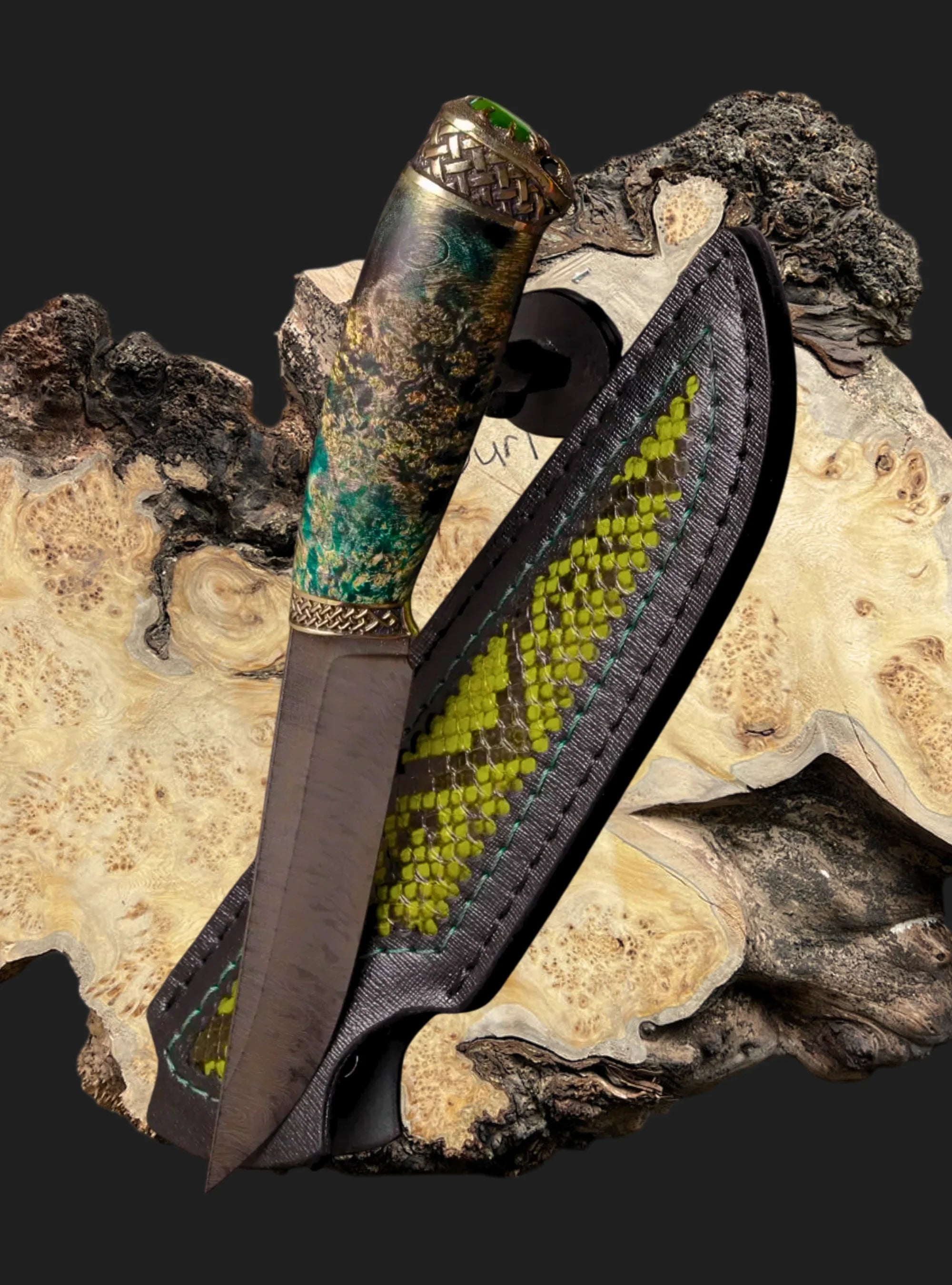
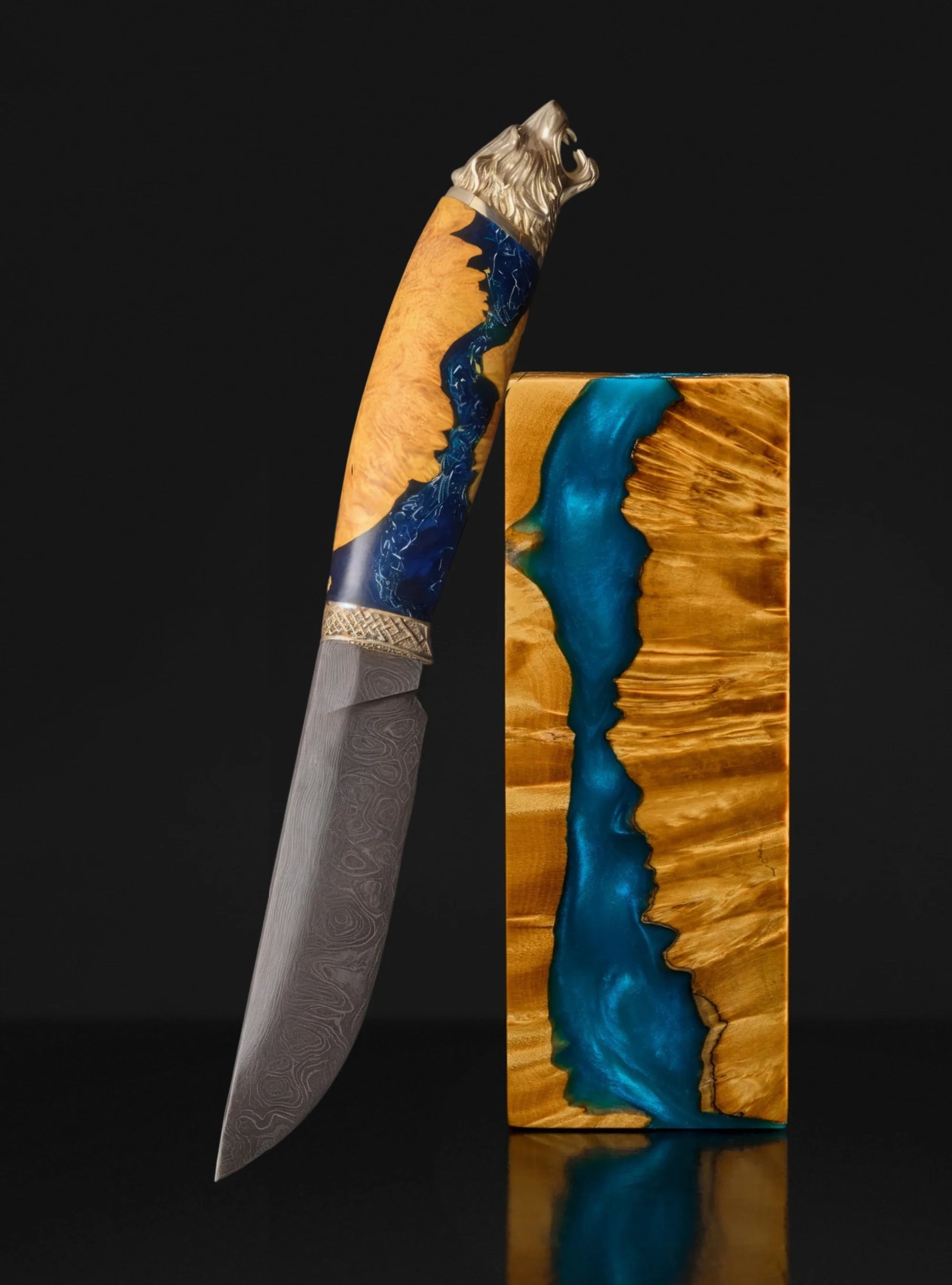
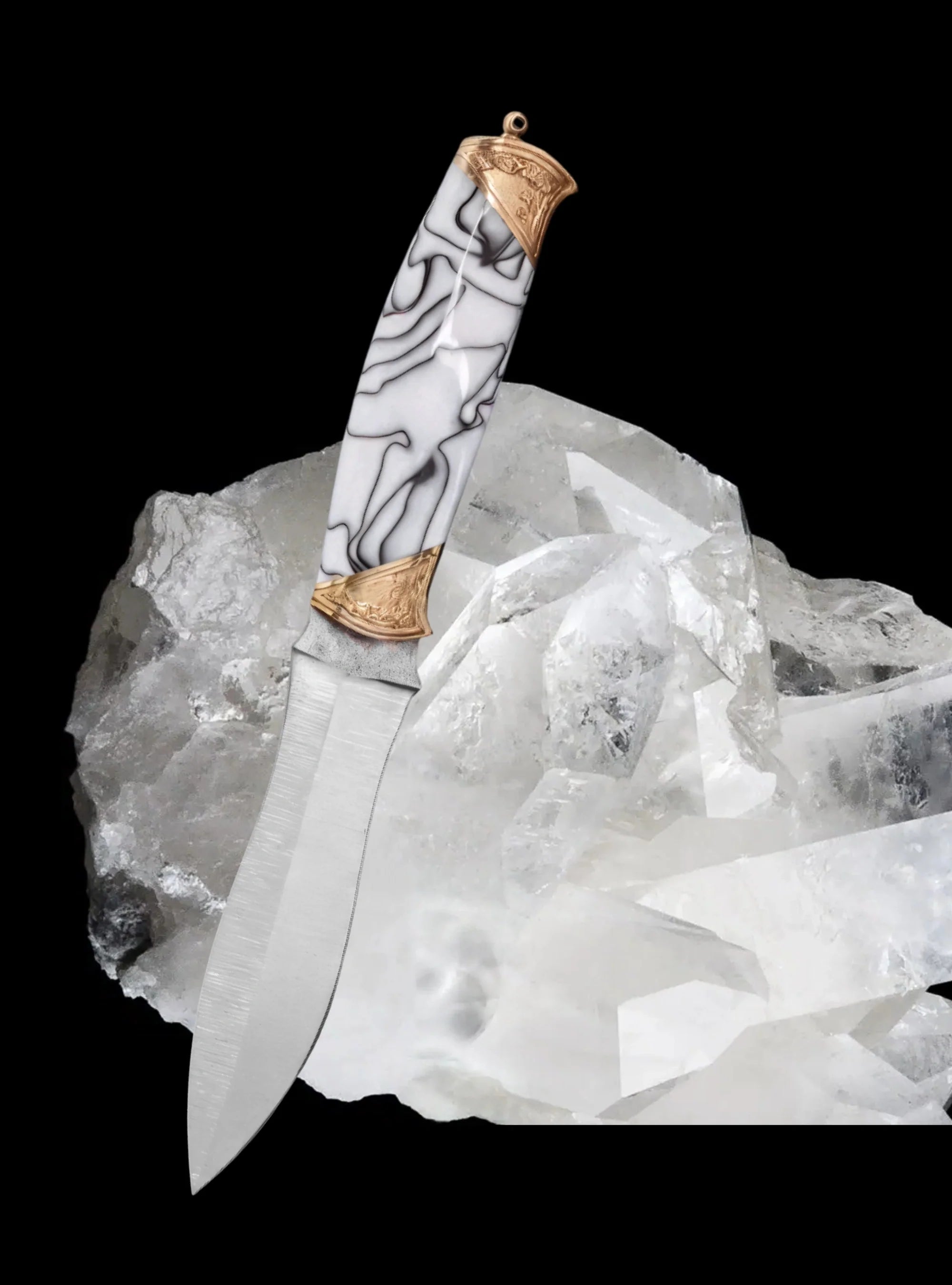
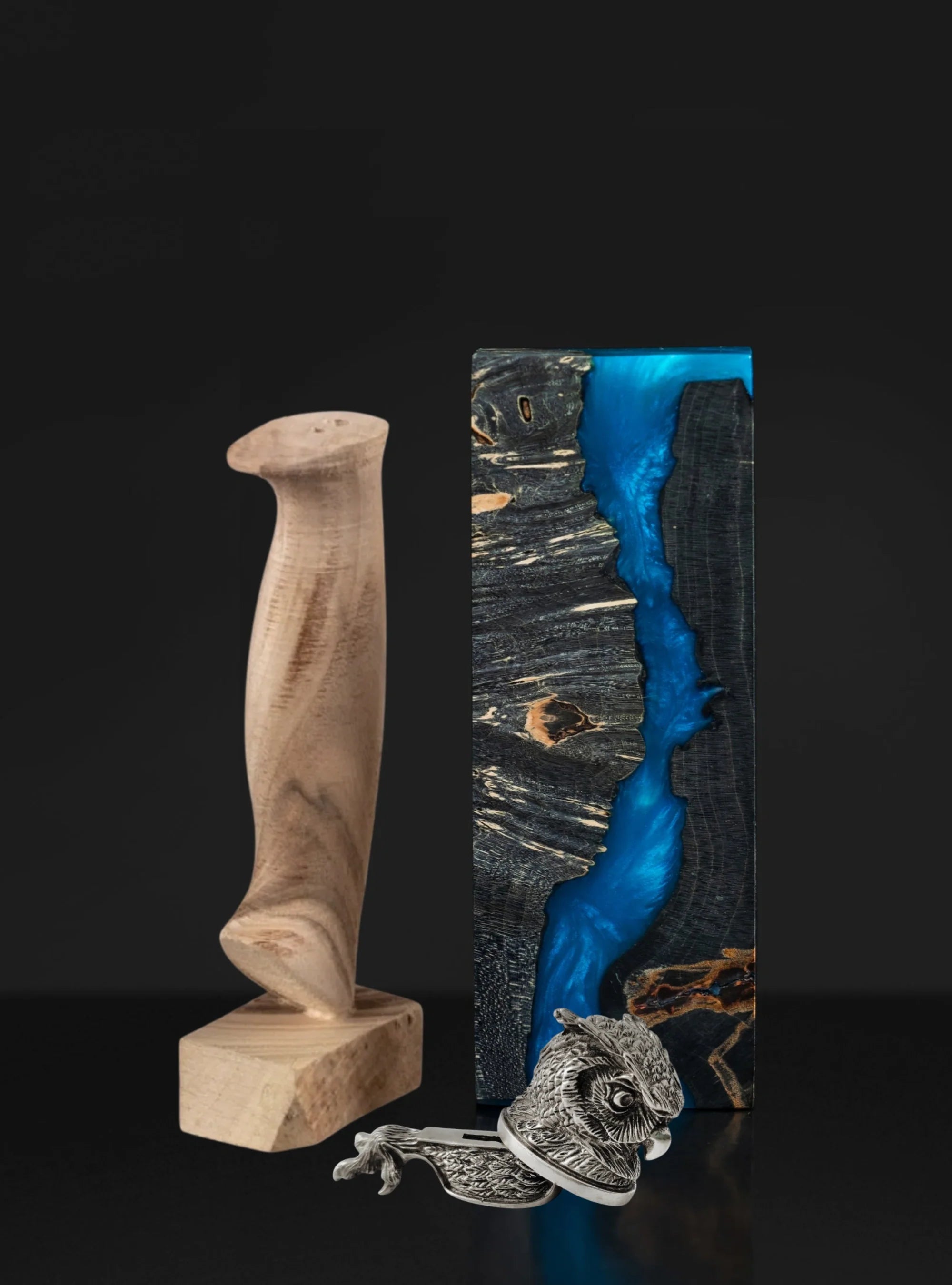
Rare wood. Specialty steel. Exotic handle finishes. And yes, those things matter. Handmade knives often use materials selected individually rather than in bulk, which naturally changes both cost and consistency.

But materials alone don’t explain the price.
Not even close.
What really changes everything is time.
Factory production compresses time into systems. Machines repeat movements with incredible precision, reducing variation and speeding up every stage of the process. Handmade work moves differently.
Slowly.
And more importantly, unevenly.
One part might take hours because something unexpected happened in the material itself. Wood shifts. Steel reacts differently. Small adjustments become necessary that machines are designed to avoid entirely.
That unpredictability is expensive.
I started noticing this most in the details.
Not flashy details—the quieter ones. The transitions between materials. The shaping of the handle. The way the knife balanced naturally without feeling calculated.
These things are difficult to mass-produce because they rely on judgment, not repetition.
And judgment takes time to develop.
That’s another part people often overlook.
You’re not just paying for the hours spent making the knife.
You’re paying for the years required to make those hours possible.
A skilled maker develops sensitivity over time—understanding pressure, proportion, material behavior, finishing techniques. Most of that knowledge never appears in a product description.
But it appears in the object itself.
Quietly.
I remember comparing a handmade knife to a factory-produced one side by side once.
The factory knife was technically more perfect. Every line identical. Every surface controlled. It looked extremely refined.

But the handmade piece felt more personal.
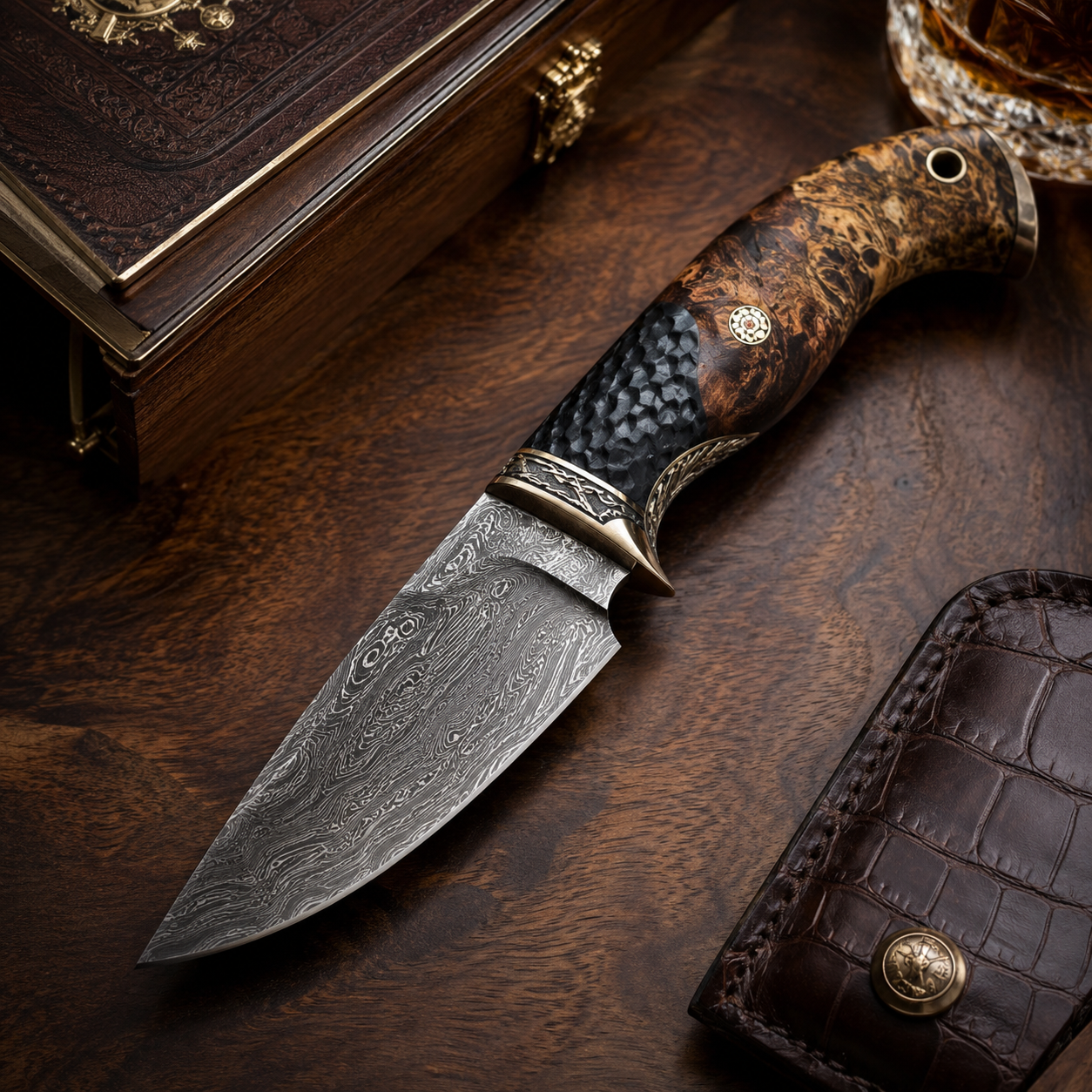
Not imperfect exactly—just less anonymous. The handle had subtle variation. The finish reflected light differently depending on the angle. Small details suggested human decisions rather than automated consistency.
That difference is hard to explain until you feel it in your hand.
There’s also the issue of scale.
Factories spread costs across thousands of pieces. Handmade makers often work alone or in very small workshops. Every tool, every material, every failed attempt affects the final price much more directly.
And mistakes happen.
That’s part of working by hand.
A single flaw can mean restarting an entire section or abandoning a piece completely. Those invisible losses become part of the cost structure too.
Finishing work changed how I think about value entirely.
At first, I assumed finishing was mostly cosmetic. Polishing, refining, adding visual appeal. But over time, I realized finishing determines how the knife feels more than how it looks.
Edges soften slightly where they should. Surfaces transition smoothly. The object becomes comfortable to interact with, not just attractive to observe.
That level of refinement isn’t fast.
And it’s almost impossible to fake convincingly.
Another thing that increases cost is individuality.
No two handmade knives are truly identical. Even when the same maker follows a similar design, subtle differences appear naturally. Grain patterns shift. Shaping changes slightly. Finishes react differently.

Some people see that as inconsistency.
But collectors often see it as identity.
The knife becomes a singular object rather than one unit from a production line.
I’ve also learned that rarity alone doesn’t justify high prices.
There are handmade knives that feel expensive without feeling meaningful. Overdesigned pieces, unusual materials used purely for attention, details that exist more to impress than to improve the experience.
And honestly, those pieces lose their appeal quickly for me.
The handmade knives that feel truly valuable are usually quieter.
More restrained.
Confident without needing to prove anything.
There’s an emotional layer to it too.
A handmade collectible knife often carries evidence of the maker’s process. Not visible mistakes exactly, but traces of human involvement. Small decisions, subtle variations, moments where interpretation mattered more than efficiency.
That creates connection.
And connection changes how we perceive value.
What surprised me most is that expensive handmade knives don’t necessarily feel luxurious in the traditional sense.
They don’t always feel flawless.
Instead, they feel intentional.
Every part seems considered rather than optimized. And over time, that intentionality becomes more noticeable, not less.

That’s rare in modern objects.
So why are handmade luxury collectible knives expensive?
Partly because of materials.
Partly because of rarity.
But mostly because they contain things mass production tries to eliminate: slowness, variation, interpretation, and human judgment.
Those things are inefficient.
And inefficiency, when guided by skill, becomes craftsmanship.
Now, when I look at a handmade knife, I don’t just see an object.
I see accumulated time.
Not only the hours spent making it, but the years behind those hours. The repeated practice, the failed attempts, the understanding built slowly enough to shape something with confidence.
And once you begin noticing that, the price starts to make a different kind of sense.
Share:
Design Traps to Avoid When Choosing a Premium Knife
How Design of Luxury Collectible Knives Influences Value?