

I didn’t realize I was making mistakes.
At the time, every choice felt intentional. I was careful, selective, even a little obsessive about the details. But looking back, I can see how many of those decisions were driven by the wrong things.
Not lack of knowledge.
Just misplaced attention.
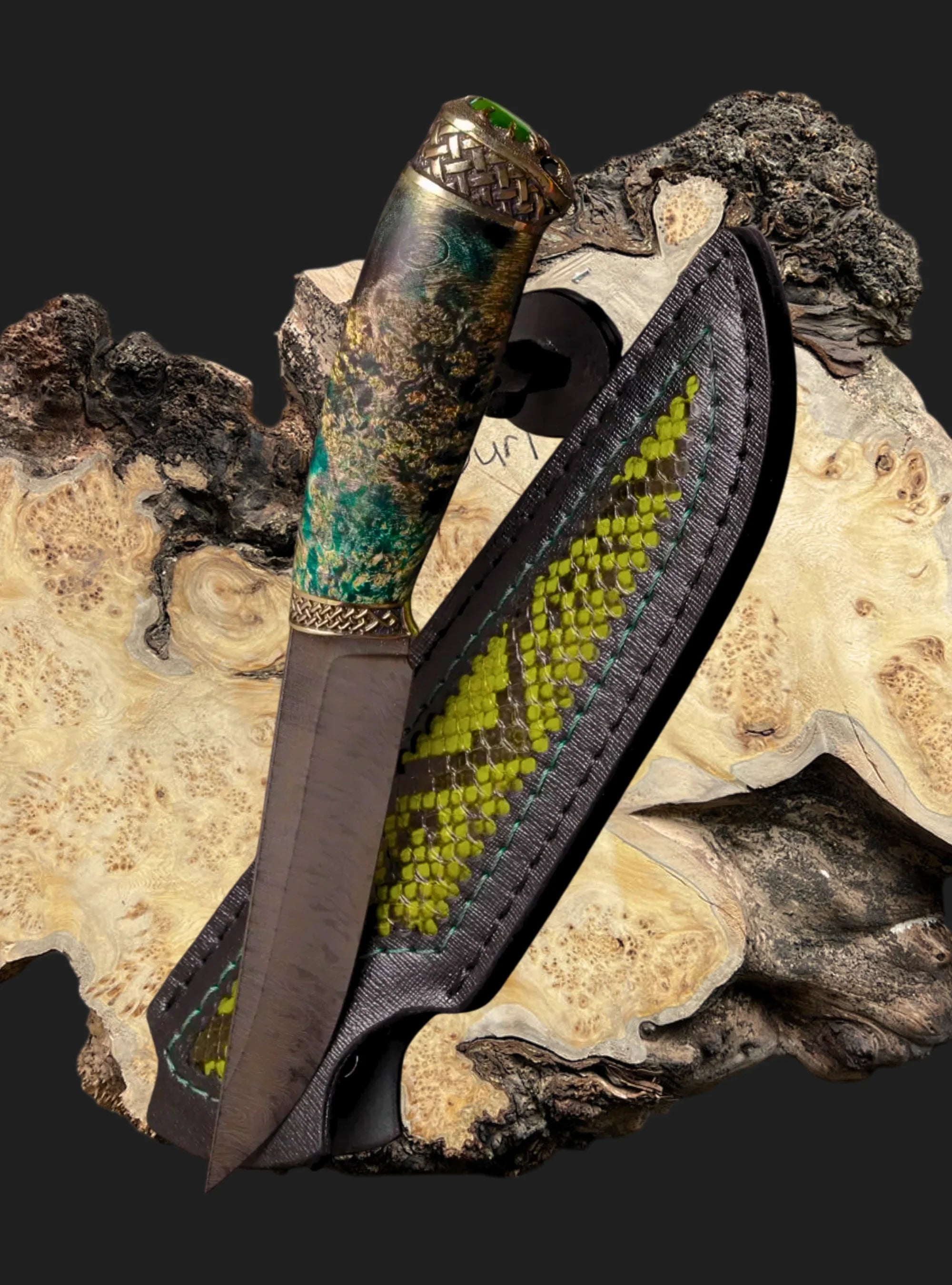
The first knife I bought purely for how it looked.
It had presence. The kind that pulls you in immediately—bold lines, striking materials, something that felt different from everything else I’d seen. I didn’t think much beyond that.
And for a while, I was satisfied.
But over time, something shifted. I stopped reaching for it. Not because it was flawed, but because it didn’t feel right to use. The balance was slightly off. The handle didn’t sit naturally. It looked impressive, but it didn’t invite interaction.

That was my first lesson.
A knife isn’t meant to be admired from a distance.
I started paying more attention after that.
Or at least, I thought I did.
But then I made a different mistake—focusing too much on technical perfection. Steel type, hardness, finish, construction methods. I read everything, compared everything, tried to make the “correct” choice.
And what I ended up with was something… precise.
But not personal.
It performed exactly as expected, but it didn’t create any connection. It felt like I had chosen it based on information, not instinct.
That kind of accuracy can still feel empty.
Another mistake I didn’t notice at first was scale.
Some knives look balanced in photos, but feel completely different in hand. Slightly longer than expected. Slightly heavier. Small differences, but enough to change how they’re used—or whether they’re used at all.
I’ve bought pieces that looked perfect in isolation but felt out of place once they became part of my collection.
Too dominant.
Or too subtle.
That imbalance isn’t always obvious right away.
But it stays.
Handles taught me more than I expected.
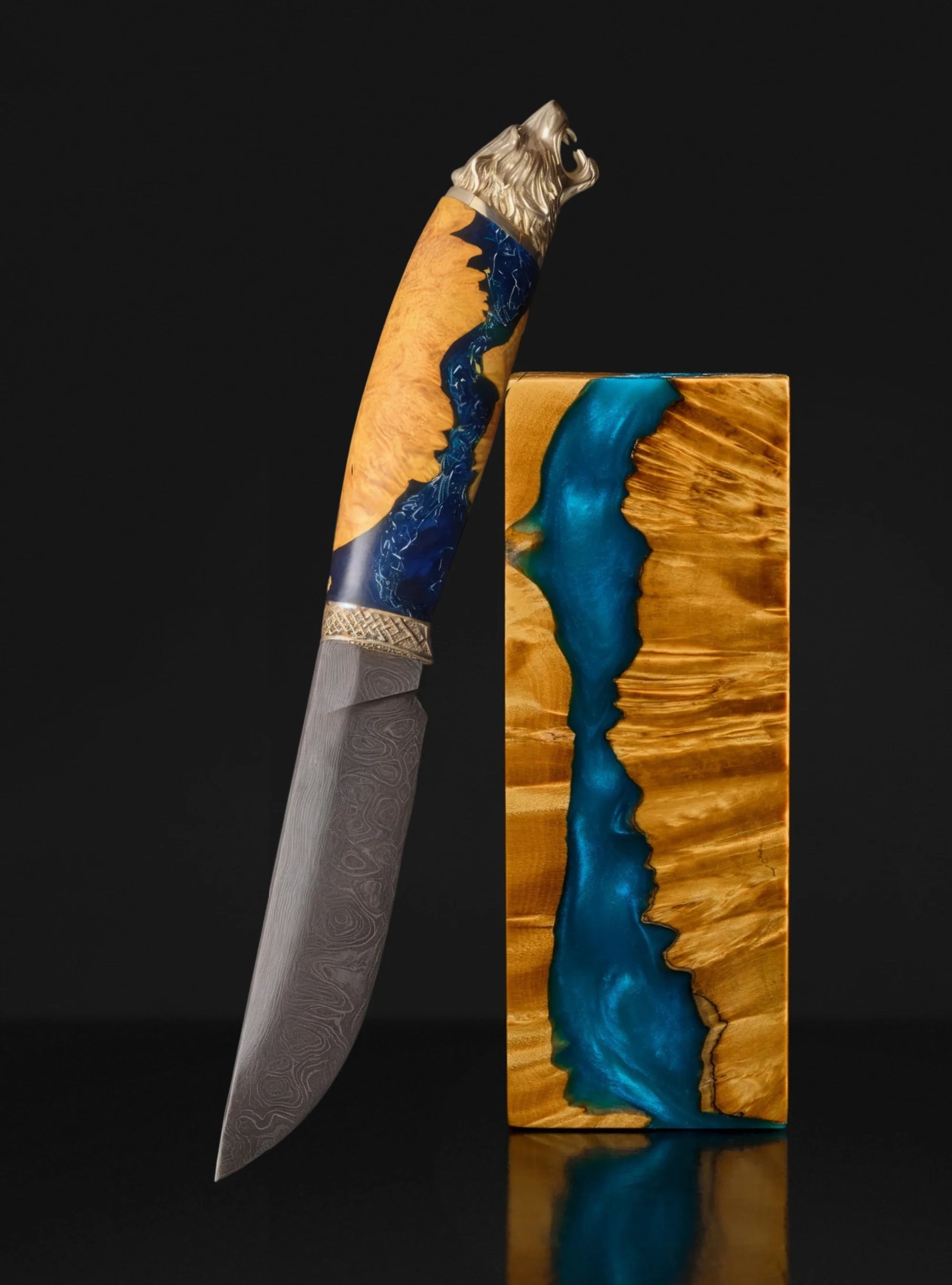
I used to treat them as a secondary detail—something that supports the blade, not something that defines the experience. But the handle is where the relationship actually happens.
I’ve chosen knives with beautiful handles that didn’t feel stable when held for longer periods. Others that looked simple but felt exactly right the moment I picked them up.
That contrast changed how I evaluate design.
Because what you feel matters more than what you see.
There was also a phase where I tried to follow trends.
Certain finishes, certain shapes, certain styles that seemed to appear everywhere at once. It felt like a safe direction—if many people appreciated it, it must be worth having.
But trends move.
And when they do, what once felt current can quickly feel disconnected. Not wrong, just tied to a specific moment rather than something lasting.
That realization made me more cautious.
Not about trends themselves, but about relying on them.
I’ve also overlooked how materials age.
Some finishes look incredible at first but change in ways I didn’t anticipate. Some handle materials require more care than I was prepared to give. Others develop character over time in a way that feels natural.
Not every material fits every lifestyle.
And ignoring that leads to quiet dissatisfaction.
Not immediately.
But eventually.
Another mistake was assuming rarity equals value.
Limited pieces, unusual designs, things that felt exclusive. At first, that felt important—owning something not everyone has. But exclusivity doesn’t always translate into connection.

I’ve had rare pieces that felt distant.
And simpler ones that became essential.
Rarity can add meaning.
But it can’t replace it.
There’s also the issue of overcomplication.
Some designs try to do too much. Too many details, too many materials, too many ideas in one piece. At first glance, they feel impressive. But over time, they can feel heavy—visually and physically.
I’ve learned to appreciate restraint more.
Designs that leave space.
That don’t try to prove anything.
One of the most subtle mistakes I made was ignoring how a knife fits into a larger collection.
I used to choose pieces individually, without thinking about how they relate to each other. The result was a collection that felt fragmented—interesting pieces, but no cohesion.
Now I think in terms of balance.
How one knife complements another. How different styles interact. Whether a new piece adds something meaningful or just repeats what’s already there.
That perspective changed everything.
Of course, not every mistake is obvious right away.
Some only become clear after time. After use. After the initial impression fades and the object becomes part of your routine—or doesn’t.
And that’s where the real understanding comes from.
Not from what a knife promises.
But from how it behaves over time.
What I’ve learned is that buying a luxury knife isn’t about avoiding mistakes completely.
That’s not realistic.
It’s about recognizing what matters to you before those mistakes happen. Understanding your own preferences, your habits, your expectations—not just what looks appealing in the moment.
Because design isn’t just about appearance.
It’s about relationship.
So if you’re choosing a knife now, I wouldn’t focus only on what stands out.
I’d pay attention to what feels right.
How it sits in your hand. How it fits into your space. How it aligns with the way you actually use—or intend to use—it.
Those are the details that stay.
Long after the initial impression fades.
Share:
Artisan vs Factory Production of Luxury Collectible Knives
Why are Handmade Luxury Collectible Knives Expensive?