

When shopping for a knife, many buyers notice a wide range of prices. Some knives cost less than $20, while others sell for hundreds or even thousands of dollars. This naturally raises an important question: what exactly separates a cheap knife from a premium one?
The answer goes far beyond appearance or branding. The quality of materials, craftsmanship, performance, durability, comfort, and long-term value all contribute to the difference. Understanding these factors can help buyers make informed decisions and choose a knife that meets their needs and expectations.
What’s the Difference Between Cheap and Premium Knives?
Why Knife Quality Matters?
A knife is more than just a cutting tool. Whether used for outdoor activities, collecting, everyday carry, or craftsmanship appreciation, a well-made knife provides better performance, greater reliability, and a longer lifespan.
While a low-cost knife may appear similar to a premium model at first glance, the differences often become obvious after extended use.

1. Blade Steel Quality
One of the biggest differences between cheap and premium knives is the type of steel used in the blade.
Cheap Knives
Budget knives often use lower-grade stainless steels that are inexpensive to manufacture.
Common characteristics:
- Easier to produce
- Lower material costs
- Softer steel
- Faster edge dulling
- More frequent sharpening required
Premium Knives
Premium knives typically use higher-performance steels engineered for durability and cutting efficiency.
Benefits include:
- Better edge retention
- Improved wear resistance
- Enhanced toughness
- Superior corrosion resistance
- Longer service life
The steel itself is often one of the most significant contributors to overall knife performance.
2. Edge Retention
Edge retention refers to how long a blade stays sharp during use.
Cheap Knives
Lower-quality steels generally lose their edge more quickly.
Users may notice:
- Reduced cutting efficiency
- More frequent sharpening
- Faster performance decline
Premium Knives
Premium steels maintain sharpness significantly longer.
Advantages include:
- Consistent cutting performance
- Less maintenance
- Greater convenience over time
For users who rely on their knives regularly, edge retention can dramatically improve the ownership experience.
3. Heat Treatment
Even excellent steel can perform poorly if not heat-treated correctly.
Heat treatment controls:
- Hardness
- Toughness
- Wear resistance
- Edge stability
Cheap Knives
Budget manufacturers often use simplified production processes that may result in inconsistent heat treatment.
Premium Knives
Premium makers carefully optimize heat treatment for each steel type.
This results in:
- More predictable performance
- Better durability
- Improved cutting characteristics
Many knife enthusiasts consider heat treatment just as important as the steel itself.
4. Blade Geometry and Grind
The shape and grind of a blade directly affect cutting performance.
Cheap Knives
Budget models may prioritize manufacturing speed over precision.
Potential drawbacks:
- Uneven grinds
- Thicker cutting edges
- Reduced slicing ability
Premium Knives
Premium knives typically feature carefully engineered blade geometry.
Benefits include:
- Cleaner cuts
- Improved efficiency
- Better control
- Enhanced cutting performance
Even with similar steel, superior geometry can significantly improve real-world results.
5. Handle Materials
The handle influences comfort, durability, and overall aesthetics.
Cheap Knife Handles
Common materials include:
- Basic plastics
- Low-cost composites
- Thin metal scales
While functional, they may feel less comfortable and show wear more quickly.
Premium Knife Handles
Premium knives often feature:
- Exotic hardwoods
- High-grade composites
- Titanium
- Carbon fiber
- Premium leather wraps
These materials provide improved durability, comfort, and visual appeal.
6. Ergonomics and Comfort
A knife should feel secure and comfortable during use.
Cheap Knives
Budget designs may focus primarily on manufacturing efficiency.
Potential issues include:
- Sharp edges on handles
- Poor balance
- Less refined grip design
Premium Knives
Premium models often undergo extensive ergonomic refinement.
Benefits include:
- Better grip security
- Reduced hand fatigue
- Improved control
- Enhanced user confidence
Comfort becomes increasingly important during extended use.
7. Manufacturing Precision
Precision manufacturing affects both appearance and performance.
Cheap Knives
Lower-cost production may result in:
- Uneven fit and finish
- Minor blade centering issues
- Rough edges
- Inconsistent assembly
Premium Knives
Premium knives typically demonstrate:
- Precise tolerances
- Smooth operation
- Clean finishing
- Consistent quality control
These details contribute to a more refined ownership experience.
8. Durability and Reliability
A knife should withstand years of use.
Cheap Knives
Budget models often prioritize affordability over longevity.
Potential limitations:
- Faster wear
- Looser components over time
- Reduced resistance to heavy use
Premium Knives
Premium knives are generally built for long-term performance.
Advantages include:
- Stronger construction
- Better materials
- Improved structural integrity
- Longer lifespan
Many premium knives remain functional for decades when properly maintained.
9. Corrosion Resistance
Moisture, humidity, and environmental exposure can affect blade longevity.
Cheap Knives
Lower-grade steels may be more susceptible to:
- Surface staining
- Rust formation
- Corrosion damage
Premium Knives
Many premium steels offer enhanced corrosion resistance while maintaining strong cutting performance.
This is particularly valuable for outdoor and everyday carry applications.
10. Craftsmanship and Attention to Detail
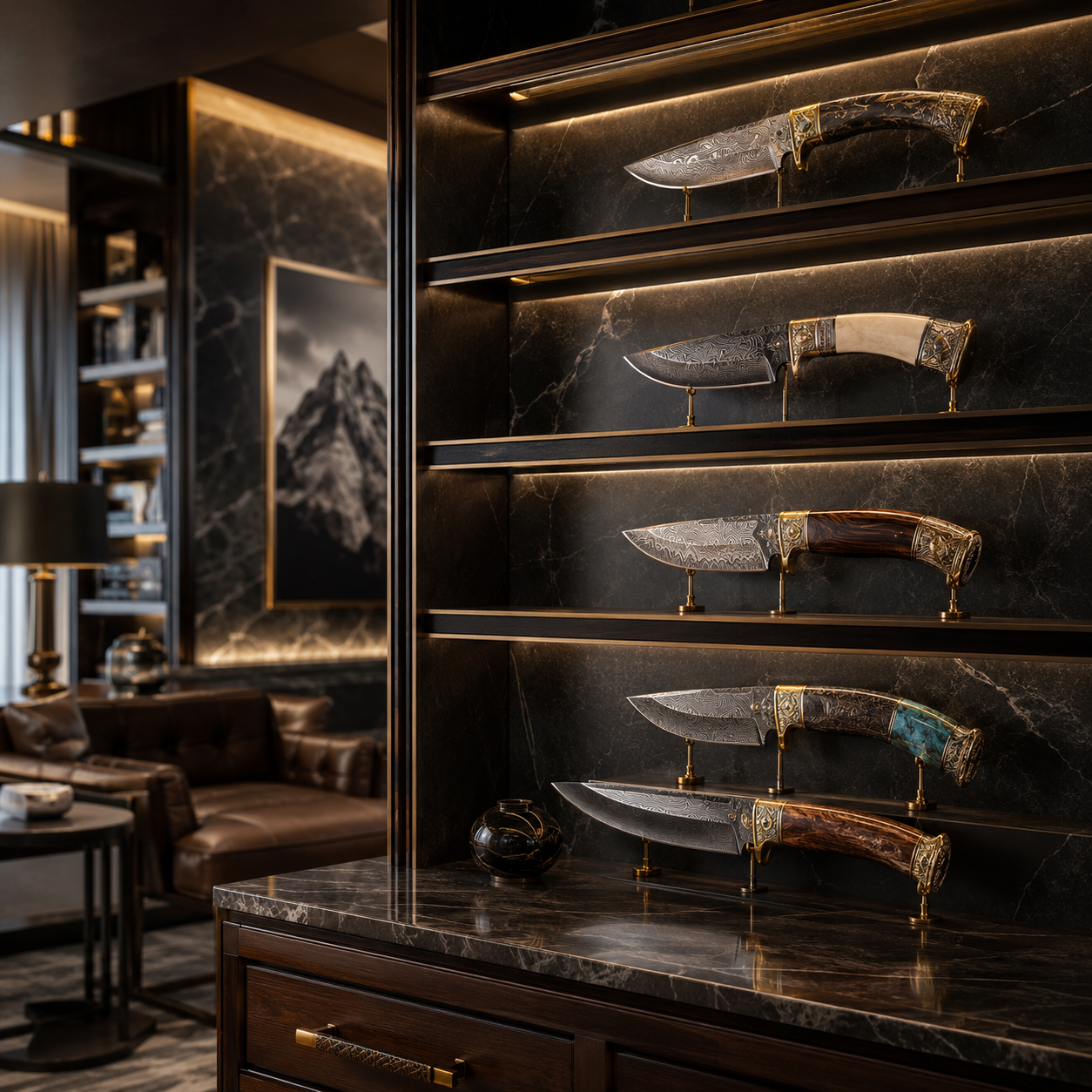
Craftsmanship often separates ordinary knives from exceptional ones.
Premium makers typically pay closer attention to:
- Blade symmetry
- Handle finishing
- Material selection
- Assembly precision
- Overall refinement
These details may not always affect basic functionality, but they significantly enhance quality perception and long-term satisfaction.

11. Design and Aesthetics
Premium knives often incorporate thoughtful design elements that balance function and appearance.
Examples include:
- Hand-finished surfaces
- Decorative hardware
- Premium handle materials
- Custom craftsmanship
- Unique artistic details
For collectors, these elements can be just as important as performance.
12. Long-Term Value
The initial purchase price only tells part of the story.
Cheap Knives
Lower upfront cost may lead to:
- More frequent replacements
- Increased maintenance
- Reduced lifespan
Premium Knives
Higher-quality knives often provide:
- Better durability
- Longer service life
- Consistent performance
- Greater owner satisfaction
Over many years, a premium knife may offer better overall value despite its higher purchase price.
Are Premium Knives Always Worth It?
Not necessarily.
The best choice depends on intended use.
A budget knife may be perfectly adequate for:
- Occasional cutting tasks
- Light-duty use
- Backup applications
A premium knife may be worthwhile for:
- Frequent users
- Collectors
- Outdoor enthusiasts
- Individuals seeking long-term reliability
- Those who appreciate fine craftsmanship
The key is matching the knife to your needs rather than focusing solely on price.
Final Thoughts
The difference between cheap and premium knives extends far beyond cost. Premium knives typically offer superior steel, better edge retention, enhanced craftsmanship, improved ergonomics, greater durability, and more refined materials.
While inexpensive knives can serve basic purposes effectively, premium knives are designed to deliver better performance, reliability, and longevity. Understanding these differences helps buyers make informed decisions and invest in a knife that aligns with their expectations, budget, and intended use.
Frequently Asked Questions
What is the biggest difference between cheap and premium knives?
The biggest difference is usually the combination of blade steel quality, craftsmanship, durability, and long-term performance.
Do premium knives stay sharp longer?
Yes. Premium knives often use higher-quality steels that provide superior edge retention and require less frequent sharpening.
Are expensive knives stronger?
In many cases, yes. Premium knives typically use better materials and construction methods that improve overall strength and durability.
Can a cheap knife be good?
Absolutely. Many budget knives perform well for light or occasional use. The key is choosing one from a reputable manufacturer.
Why do premium knives cost so much?
Higher costs often reflect better materials, advanced manufacturing processes, skilled craftsmanship, stricter quality control, and enhanced performance.
Do premium knives rust less?
Many premium steels offer improved corrosion resistance, although performance varies depending on the specific steel used.
Are premium knife handles better?
Generally, yes. Premium knives often feature higher-quality materials and more ergonomic designs that improve comfort and durability.
How long can a premium knife last?
With proper care, a premium knife can remain functional and attractive for decades.
Are premium knives worth it for everyday use?
For people who use a knife regularly, premium models often provide greater comfort, reliability, and long-term value.
Should beginners buy a premium knife?
Beginners do not necessarily need the most expensive knife, but investing in a well-made knife can provide a better overall experience and reduce the need for future upgrades.
Share:
The Hallmarks of Premium Materials in Luxury Knives
What Affects Luxuy Knife Balance?