


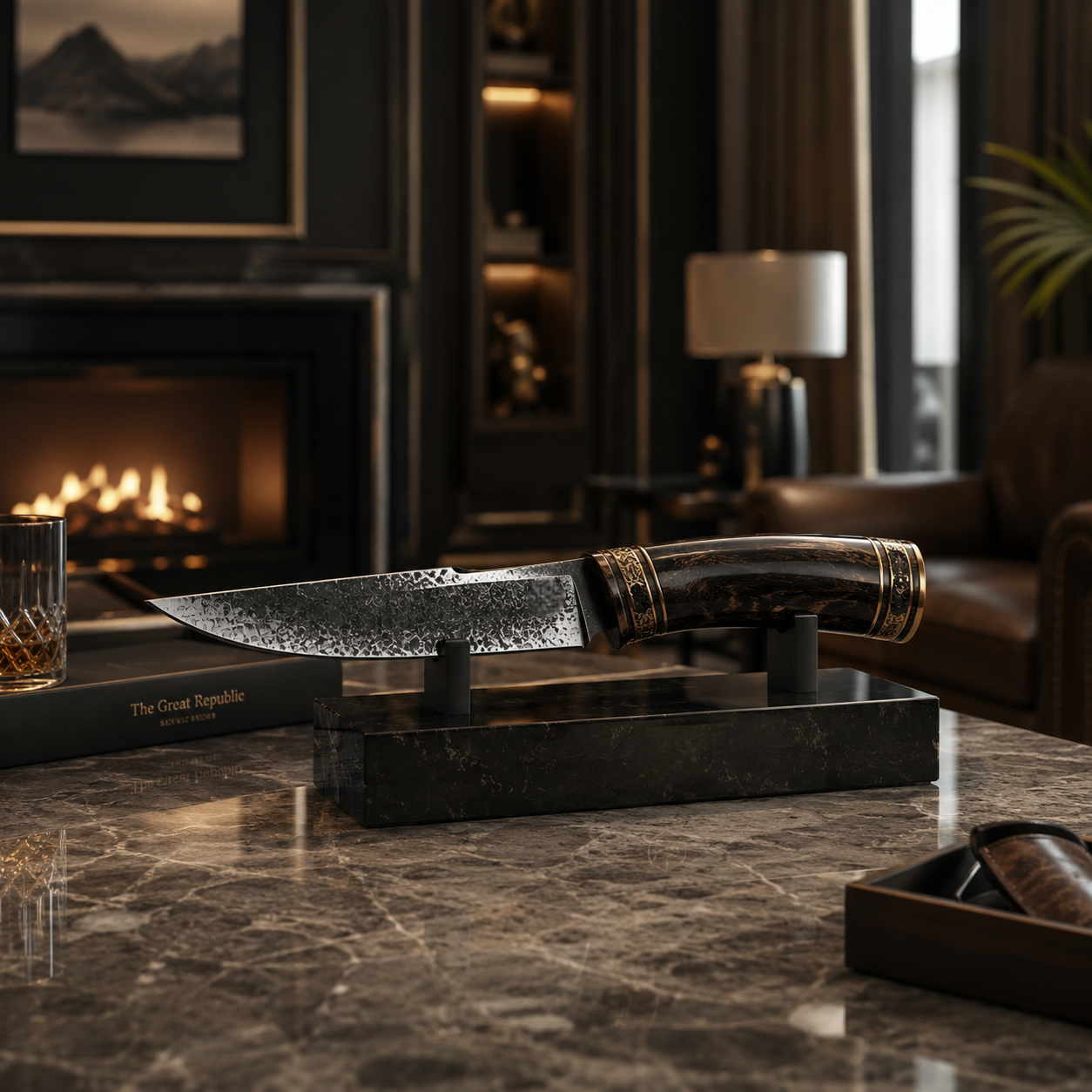
Luxury knives are often judged by design and appearance first, but the true value of a high-end knife usually comes from its materials. Blade steel, handle composition, hardware quality, and finishing materials all affect performance, durability, comfort, and long-term collector value.
For beginners, many premium knives can look similar at first glance. However, experienced collectors quickly learn that material quality is what separates ordinary expensive knives from genuinely exceptional ones.
Understanding how to identify high-quality materials helps buyers make smarter long-term decisions and avoid paying premium prices for mediocre construction.
The Hallmarks of Premium Materials in Luxury Knives
Why Materials Matter So Much?
The materials determine:
- Edge retention
- Corrosion resistance
- Weight balance
- Structural strength
- Visual refinement
- Maintenance requirements
- Longevity
In luxury knives, material choice reflects both engineering and craftsmanship philosophy.

1. Learn the Difference Between Premium Blade Steels
Blade steel is one of the biggest indicators of quality.
What High-End Steel Should Offer?
- Strong edge retention
- Corrosion resistance
- Toughness under stress
- Fine cutting performance
- Reliable heat treatment response
No steel is perfect at everything, but premium steels achieve better balance overall.
Popular Premium Knife Steels
M390 Steel
Highly respected for:
- Excellent wear resistance
- Strong corrosion protection
- Long-lasting sharpness
Common in luxury everyday carry knives.
CPM MagnaCut
A modern premium steel known for:
- Outstanding balance
- High toughness
- Strong corrosion resistance
- Excellent edge stability
Increasingly popular among serious collectors.
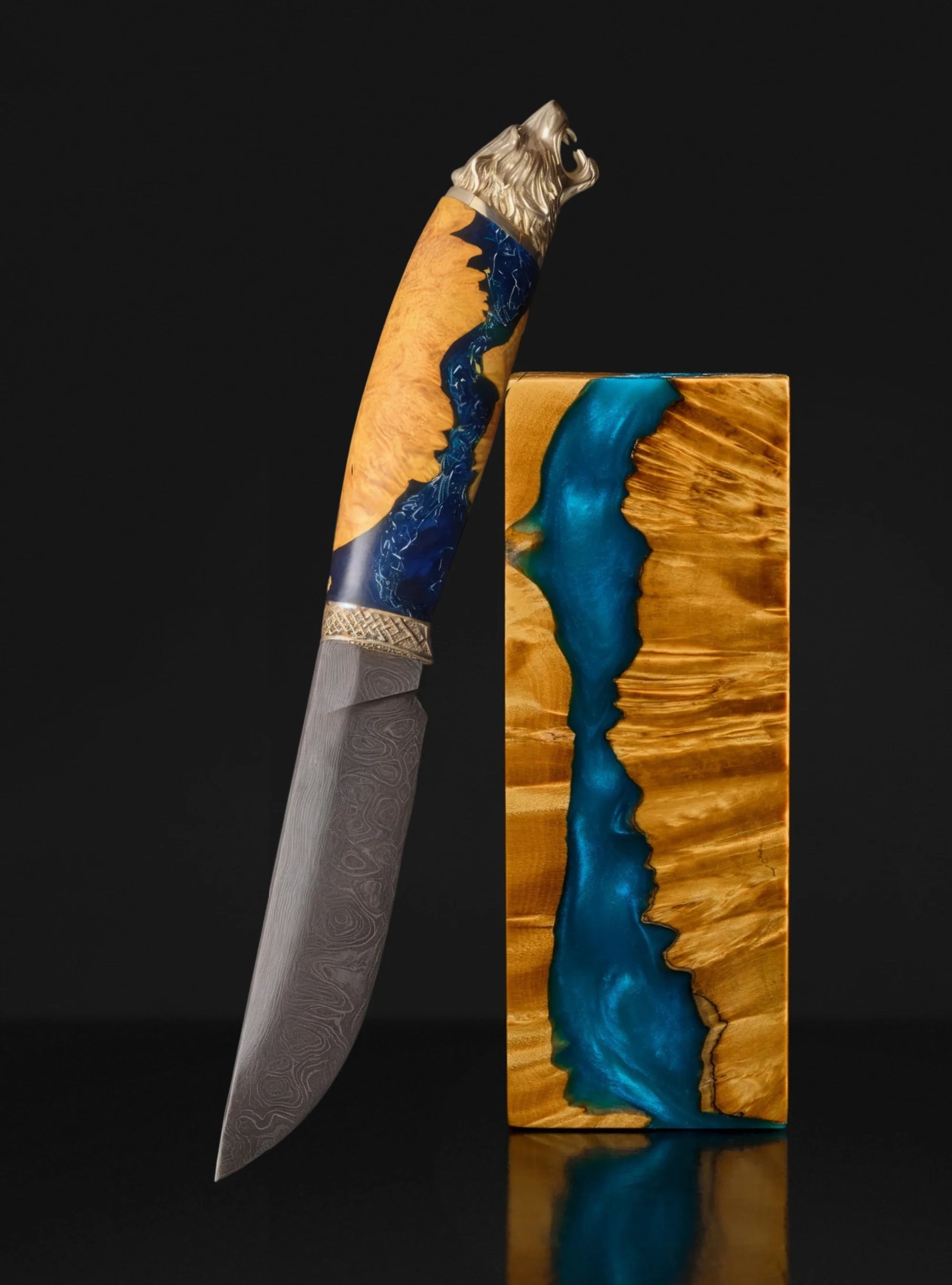
Damascus Steel
Valued for:
- Distinctive layered appearance
- Artistic craftsmanship
- Collectible appeal
Quality Damascus should combine beauty with functional performance, not appearance alone.
S35VN and S45VN
Well-rounded premium steels offering:
- Good edge retention
- Durability
- Reliable all-around performance
Frequently used in high-end production knives.
2. Pay Attention to Heat Treatment Quality
Even expensive steel performs poorly with improper heat treatment.
Signs of Good Heat Treatment
- Consistent edge stability
- Balanced hardness
- Resistance to chipping
- Predictable sharpening behavior
The maker’s reputation matters because heat treatment quality is difficult to judge visually.
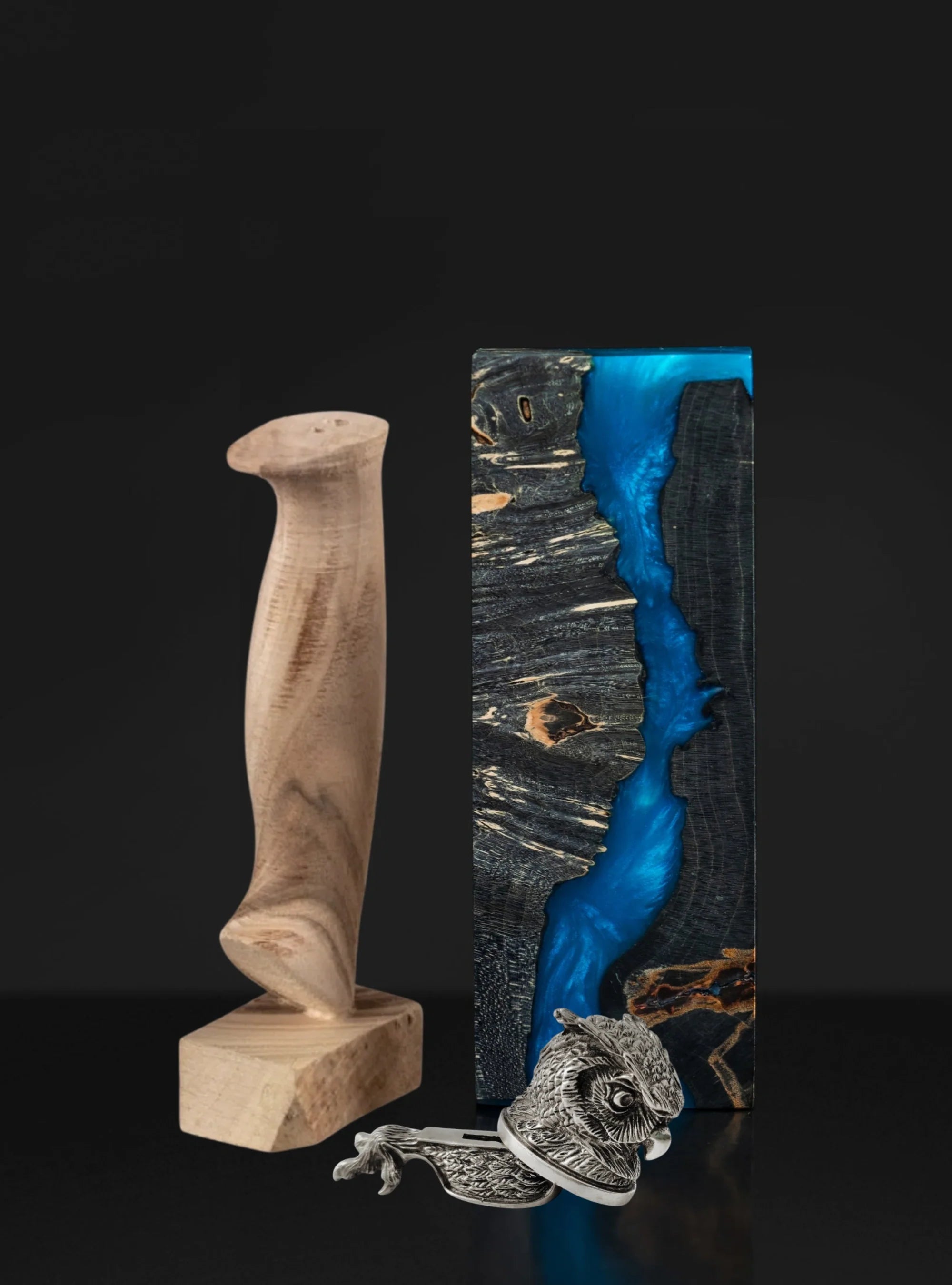
3. Understand Premium Handle Materials
Luxury knife handles combine comfort, durability, and aesthetics.
Titanium Handles
Highly valued because they are:
- Lightweight
- Corrosion-resistant
- Extremely durable
- Modern-looking
Titanium is common in minimalist luxury knives.
Carbon Fiber
Popular for:
- Lightweight strength
- Technical appearance
- Modern premium aesthetic
High-quality carbon fiber should feel rigid and precisely finished.

Micarta
A favorite among enthusiasts because it offers:
- Excellent grip
- Durable texture
- Warm tactile feel
Premium micarta develops character beautifully over time.
Exotic Hardwoods
Luxury knives may use:
- Ebony
- Desert ironwood
- Walnut burl
- Olive wood
Quality wood handles should show:
- Smooth finishing
- Stable grain structure
- Proper sealing and protection
4. Examine Fit and Finish Carefully
Luxury materials should be matched by precision construction.
Look For:
- Seamless transitions between materials
- Perfect blade centering
- Symmetrical grinds
- Smooth edges without sharp gaps
- Consistent surface finishing
Poor finishing often reveals lower manufacturing quality regardless of materials used.
5. Check Hardware Quality
High-end knives use better screws, pivots, and locking components.
Premium Hardware Features
- Precision-machined screws
- Strong pivot systems
- Smooth deployment action
- Stable lockup
Cheap hardware often becomes loose or worn quickly.
6. Weight and Balance Reveal Material Quality
A luxury knife should feel intentional in hand.
Signs of Balanced Construction
- Even weight distribution
- No excessive handle heaviness
- Smooth opening and closing
- Comfortable grip dynamics
Good materials improve overall handling experience significantly.
7. Surface Finish Tells a Story
Surface treatment quality affects both aesthetics and durability.
Premium Blade Finishes Include:
- Stonewash
- Satin hand-finish
- Mirror polish
- Bead blast
- DLC coatings
A clean consistent finish usually indicates higher manufacturing standards.
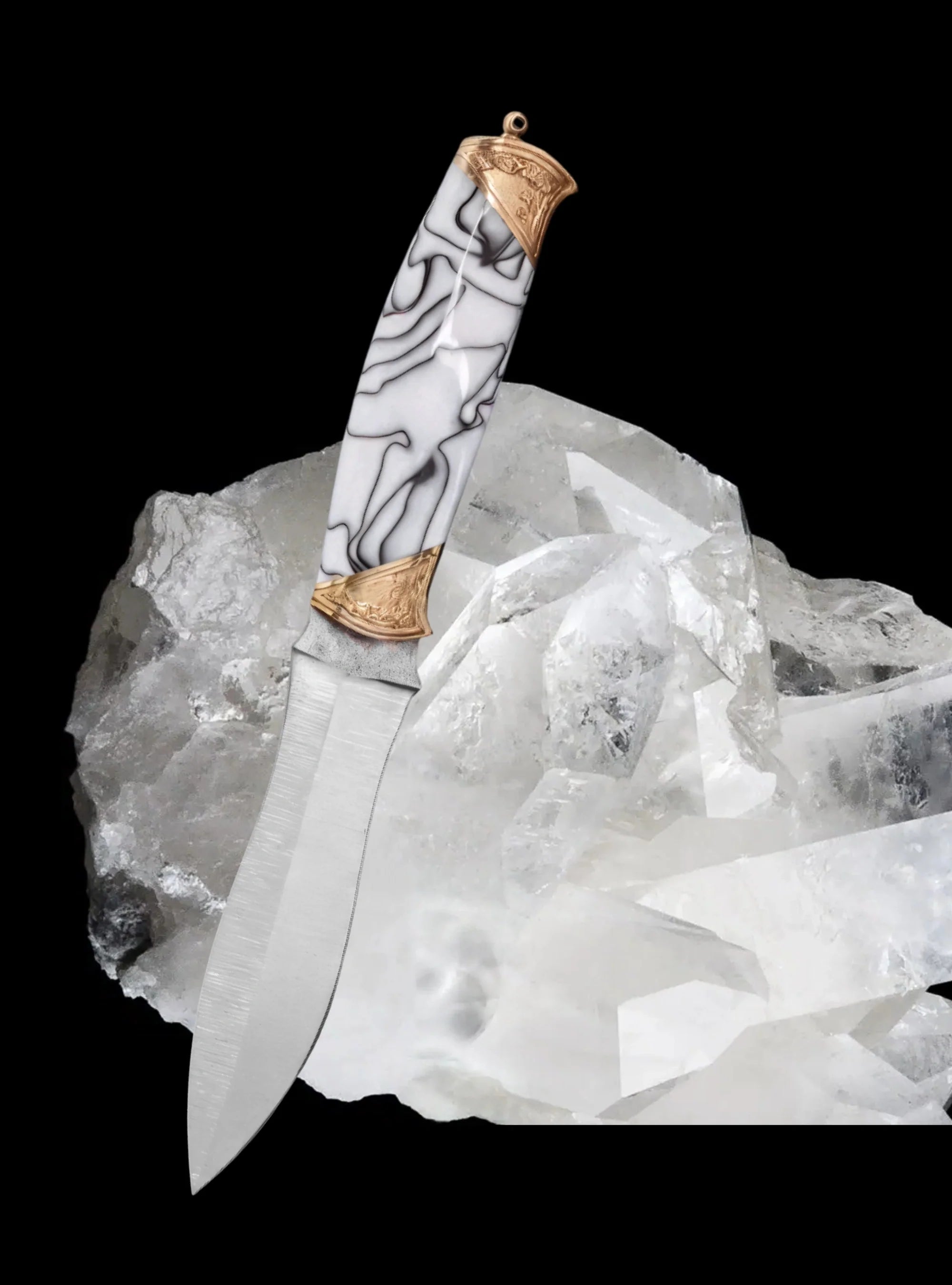
8. Be Careful with “Luxury-Looking” Materials
Some knives imitate premium aesthetics without using premium materials.
Common Warning Signs
- Decorative coatings hiding cheap steel
- Plastic made to resemble carbon fiber
- Low-quality wood laminates
- Excessive branding instead of craftsmanship
Real quality usually feels subtle rather than exaggerated.
9. Research the Maker Reputation
Materials are only part of the equation.
A respected maker often provides:
- Better heat treatment
- More consistent machining
- Reliable quality control
- Transparent material sourcing
Brand reputation matters heavily in luxury knives.

10. Learn Through Handling Real Knives
Photos help, but physical handling teaches much faster.
Experienced collectors often identify quality through:
- Opening smoothness
- Surface precision
- Weight balance
- Grip comfort
- Material texture
The more premium knives you experience, the easier it becomes to recognize true quality immediately.
Final Thoughts
Identifying quality materials in luxury knives requires attention to both engineering and craftsmanship. Premium steels, refined handle materials, precise finishing, and balanced construction all contribute to a knife that performs beautifully and ages well over time.
The best luxury knives are not simply expensive — they reflect thoughtful material choices combined with exceptional execution. Once you learn what to look for, the difference between genuine craftsmanship and marketing becomes much easier to recognize.
Share:
Minimalist vs Decorative Handles of Luxury Knives
What’s the Difference Between Cheap and Premium Knives?