
I didn’t notice when my interest in knives stopped being practical.
At first, it was simple. I needed something reliable, something that worked. I remember holding my first “good” knife—turning it slightly under the light, not because I was analyzing it, but because I was trying to understand why it felt different. It wasn’t dramatic. Just… quieter. More deliberate.
That moment stayed with me longer than I expected.
Over time, I started paying attention in ways I hadn’t before. Not just to how a knife performed, but how it existed. The shape, the balance, the way the handle met the blade without interruption. It stopped being about utility and became something closer to observation.

That’s when collecting began—though I didn’t call it that yet.
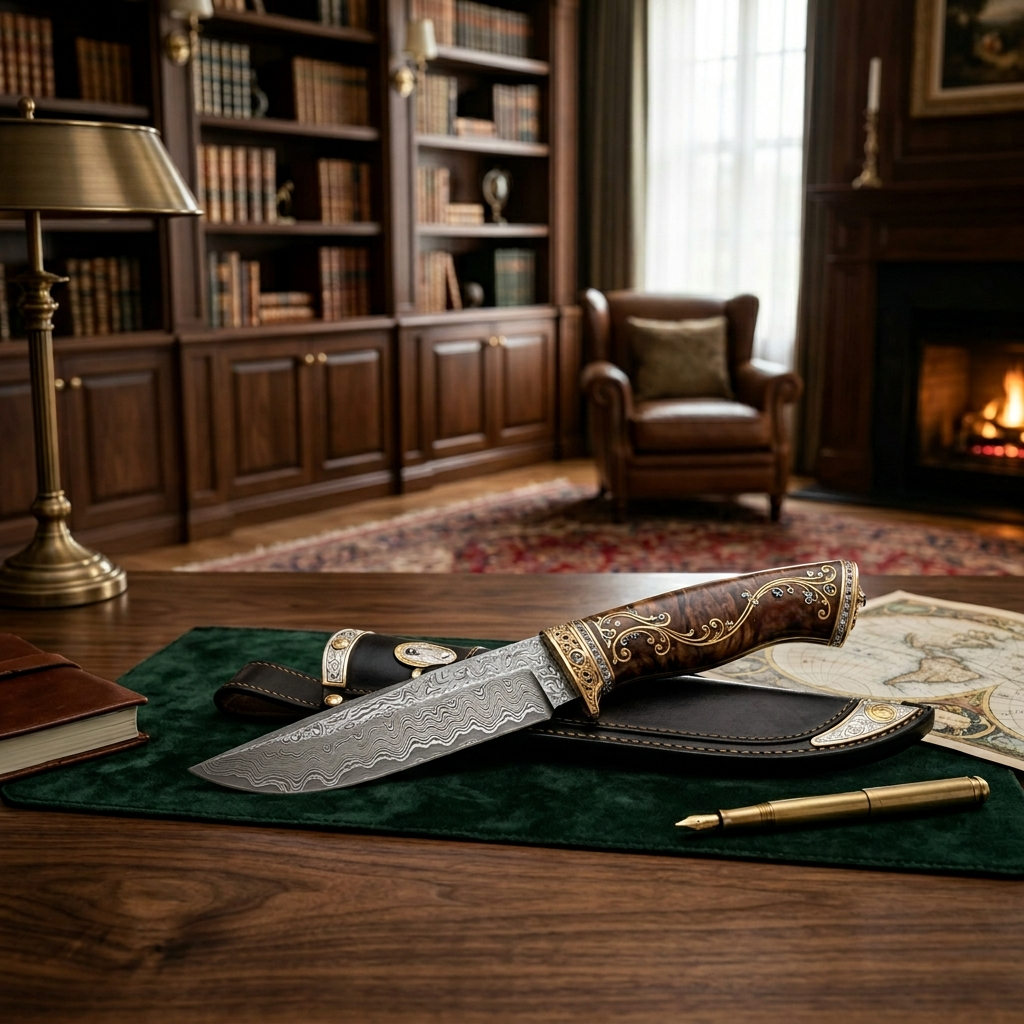
I didn’t go out looking for trends. If anything, I stumbled into them. I’d come across a piece with layered steel that caught light in a way that felt almost alive. I didn’t know the terminology then, didn’t understand the process behind it. I just knew it held my attention longer than anything else on the table.
Later, I learned why.
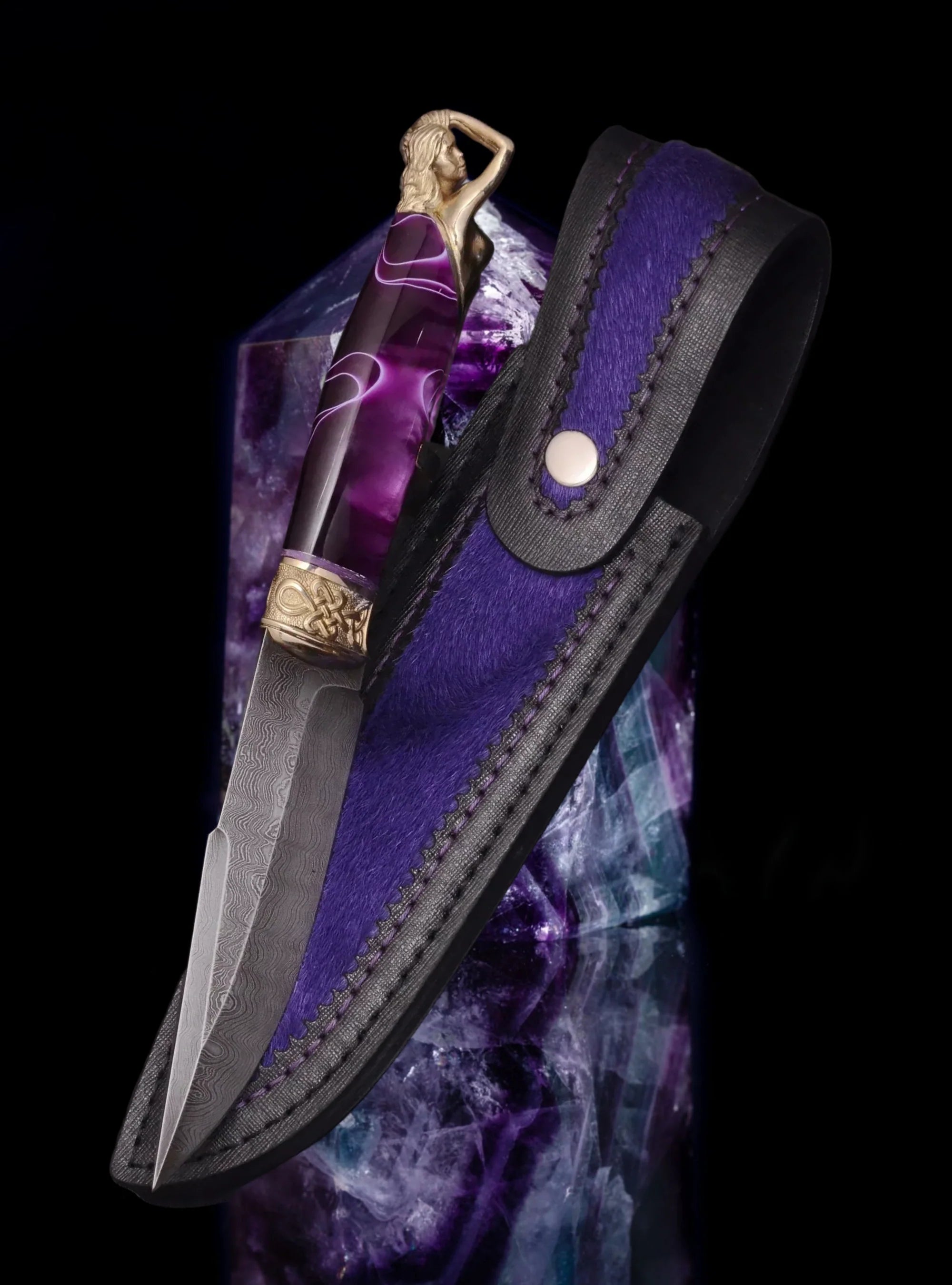
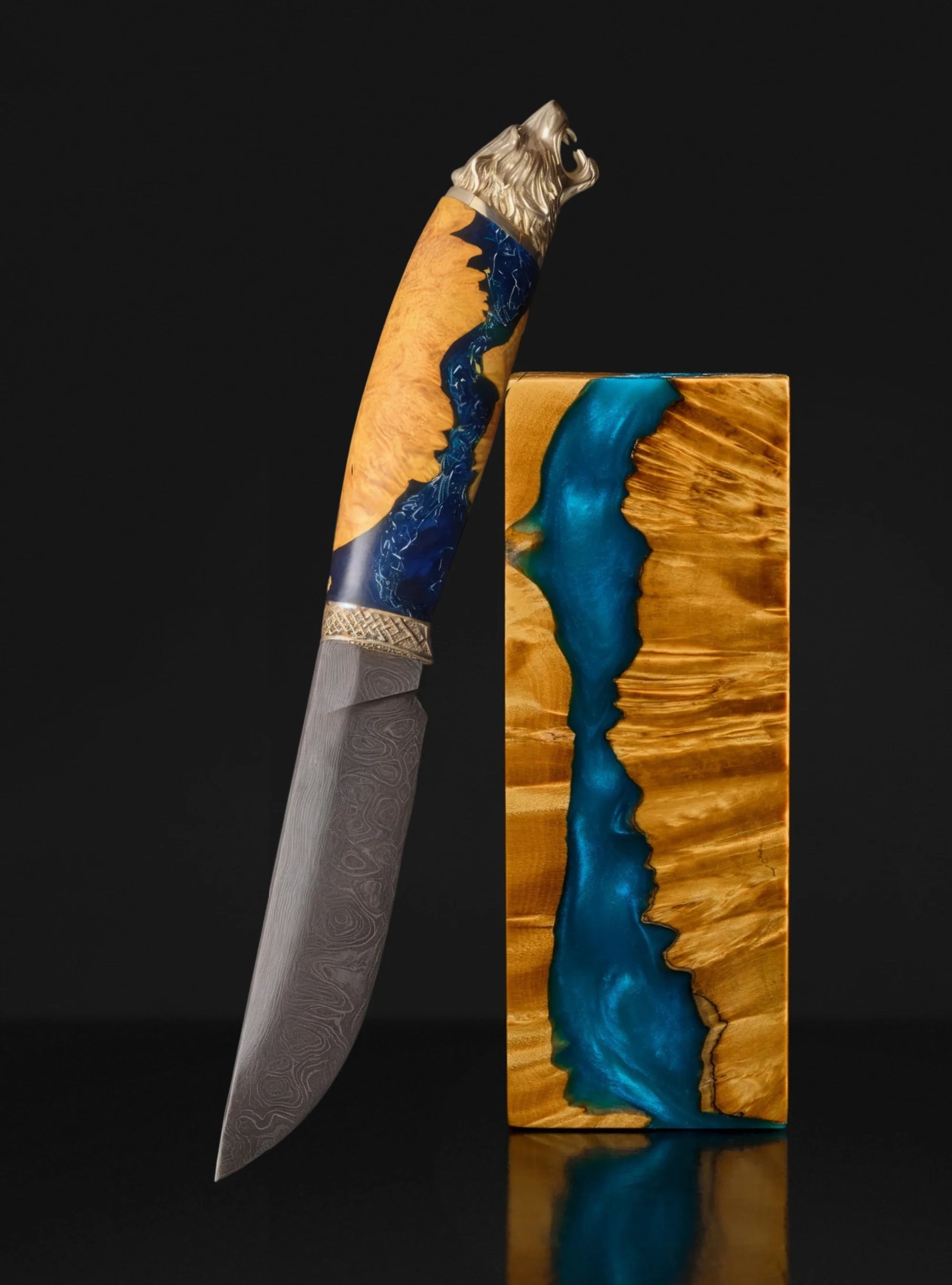
Patterned steel—what many people now recognize immediately—has become almost central to modern collecting. But what surprised me wasn’t its popularity. It was how personal it felt. Each blade carried a slightly different pattern, like a fingerprint. You couldn’t replicate it exactly, even if you tried.
That mattered more than I expected.
I started noticing another shift too, something quieter. The pieces that stayed with me weren’t always the most polished or the most expensive. They were the ones that felt… specific. Made by someone, not just produced somewhere.
There’s a difference you can’t quite explain until you hold both.

Mass-produced knives tend to feel consistent. Predictable. There’s comfort in that, but also a kind of distance. Handmade pieces, even imperfect ones, carry small decisions in their form. A slightly uneven transition, a subtle variation in finish. Not flaws, exactly—just evidence that someone was present during the making.
That presence is hard to ignore once you notice it.
I remember the first time I chose a knife not because I needed it, but because I felt connected to it. It didn’t make practical sense. I already had something that worked just fine. But this one… it had weight in a different way.
Not physical weight. Something else.
That’s when I started understanding what people mean when they talk about collecting as something personal. It’s not about accumulating objects. It’s about recognizing something in them that feels aligned with you.
And that alignment doesn’t follow logic.
There’s also a strange tension in the world of collecting now. I’ve seen it more clearly over time. Limited releases, small batches, pieces that disappear almost as soon as they appear. At first, it creates urgency. You feel like you might miss something important.
But after a while, that urgency starts to feel… artificial.
I’ve stepped away from pieces I might have bought earlier, simply because they felt rushed. Like I was being pushed toward a decision instead of arriving at it. And the more I resisted that, the more my collection began to make sense.
Slower, but more honest.
I also noticed how the role of knives has shifted.
They’re not just tools anymore, at least not in the way they used to be. Some of them rarely leave their place. They sit on a shelf, or in a case, catching light differently depending on the time of day. And I don’t see that as a loss of purpose.
If anything, it’s a different kind of purpose.
When something is designed with that level of care, it doesn’t need constant use to justify itself. Its presence is enough. The way it interacts with space, with light, with attention—that becomes part of the experience.
Still, I don’t fully separate display from use.
I’ve tried keeping certain pieces untouched, almost like artifacts. But over time, I realized I connect more deeply with the ones I’ve actually handled. Not used heavily, just enough to understand how they move, how they respond.
That interaction changes your perception.
You start noticing balance in a different way. The way the blade transitions through motion. The way the handle settles into your grip without adjustment. These things don’t show up in photos. You have to experience them.
And once you do, you start choosing differently.
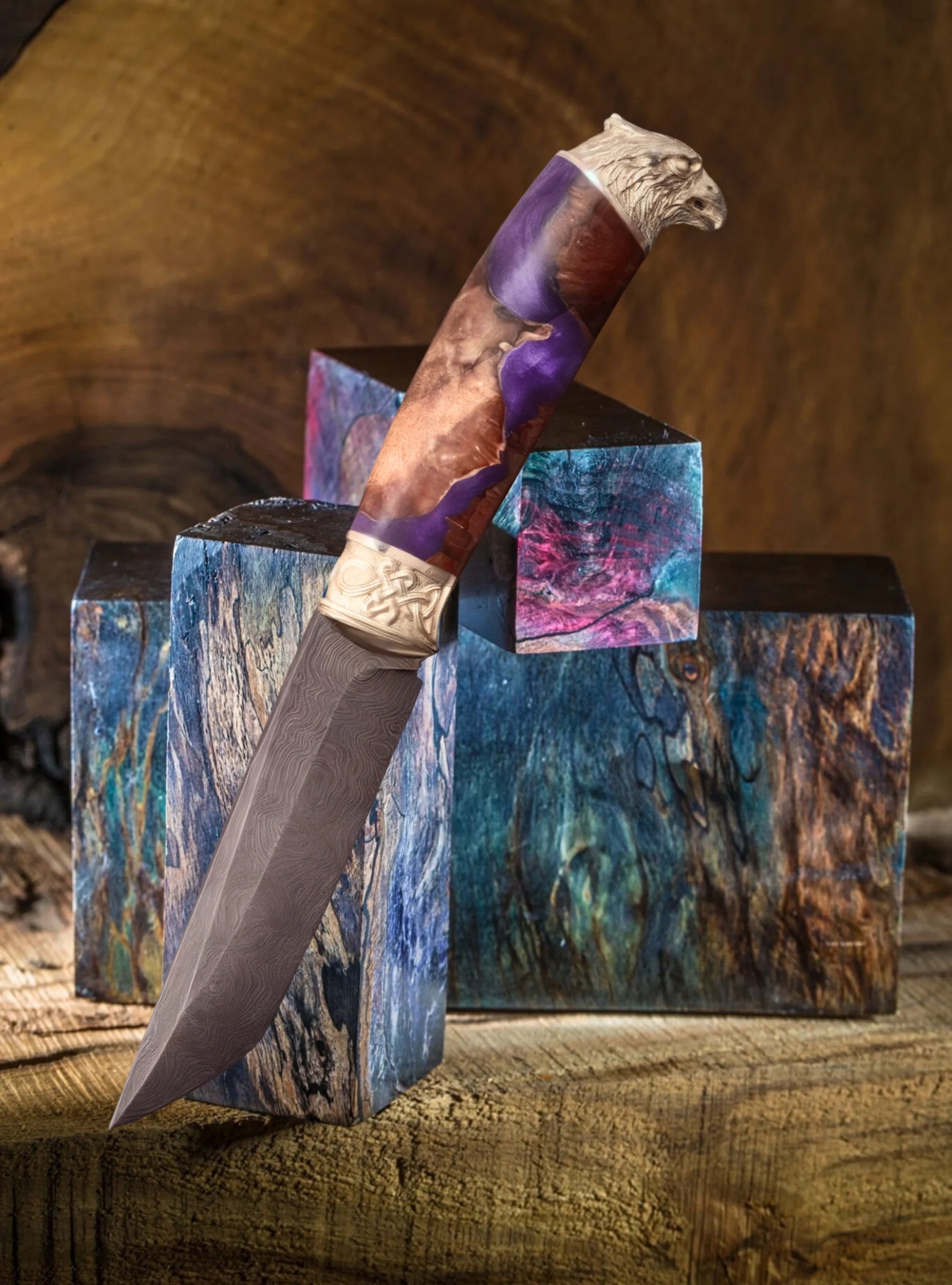
Materials have become more meaningful to me too, though not in the way I expected. It’s easy to get caught up in names, in categories, in what’s considered desirable. But what stayed with me were simpler things—the warmth of wood, the quiet durability of certain composites, the way some materials age instead of degrade.
A handle that changes slightly over time feels more alive than one that stays untouched.
There’s also a growing awareness around where materials come from, how they’re used. I didn’t think much about that in the beginning. Now, it’s harder to ignore. It adds another layer—not always visible, but present.
And it affects how you see the object as a whole.
If I’m being honest, not everything about this space feels right.
There are moments when it leans too far into excess. Too many pieces, too much emphasis on rarity for its own sake. It’s easy to lose the original connection—the simple curiosity that started it all.

I’ve had to remind myself of that more than once.
To step back. To look at what I already have. To ask whether something new adds anything real, or just fills space. That question has become more important than any trend.
Because trends change quickly.
What doesn’t change is how something feels when you hold it. Whether it still holds your attention after the initial excitement fades. Whether it feels like it belongs, not just in your collection, but in your environment.
That’s harder to measure, but more reliable.
If someone asked me how to approach collecting now, I wouldn’t talk about categories or materials first.
I’d tell them to pay attention to their own reactions.
Which pieces make you pause? Which ones stay in your mind after you’ve walked away? Those are the ones worth returning to. Not because they’re rare or valuable, but because they’ve already created a connection.
Everything else is secondary.
So who is this really for?
Not for someone looking to follow trends or build something quickly. Not for someone who needs clear rules or guarantees.
It’s for people who are willing to move slowly. Who don’t mind uncertainty. Who are comfortable choosing based on feeling, even when it doesn’t make perfect sense.
Would I recommend it?
Yes—but only if you let it stay personal.
Because the moment collecting becomes about keeping up, it loses something essential. It stops being a reflection and starts becoming a pattern.
And the most meaningful collections never feel like patterns.
They feel like quiet, deliberate choices—made over time, without urgency, without noise.
That’s what makes them last.
Share:
How to Start a Luxury Knife Collection?
Visual Storytelling Through Design of Luxury Knives Collection