

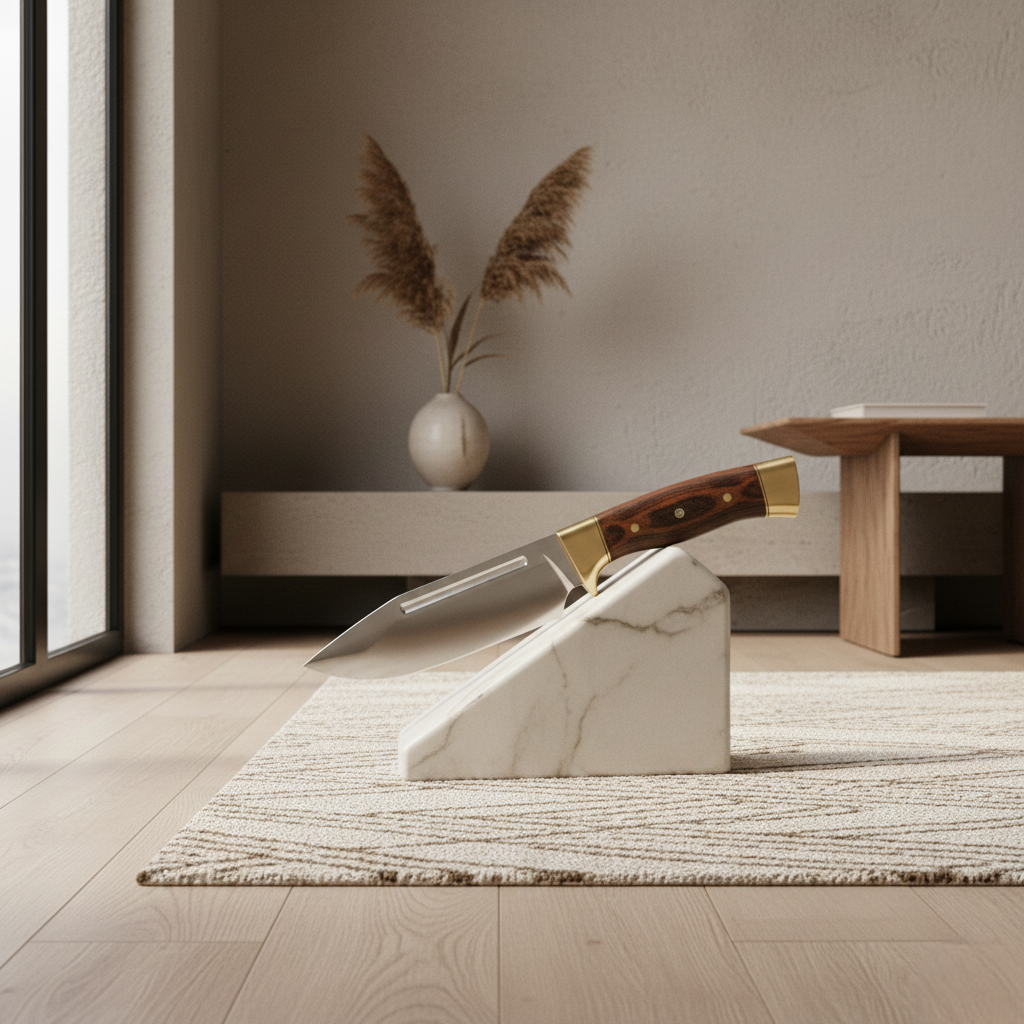
A luxury handmade knife is far more than a cutting tool. It is the result of skill, patience, material mastery, and artistic vision. Every detail—from the steel selection to the final polish—defines whether a knife is merely handmade or truly luxurious.
Here’s what it genuinely takes to create a luxury handmade knife.
What It Takes to Create a Luxury Handmade Knife?
1. Mastery of Craftsmanship, Not Just Tools
Luxury begins with the maker.
A true knife artisan brings:
-
Years of hands-on experience
-
Deep understanding of metallurgy
-
Precision handwork refined over time
Unlike factory production, luxury knives are shaped by judgment, feel, and craftsmanship—not automation.

2. Premium Steel Selection
Steel choice defines performance and longevity.
High-end handmade knives often use:
-
High-carbon steel for sharpness and character
-
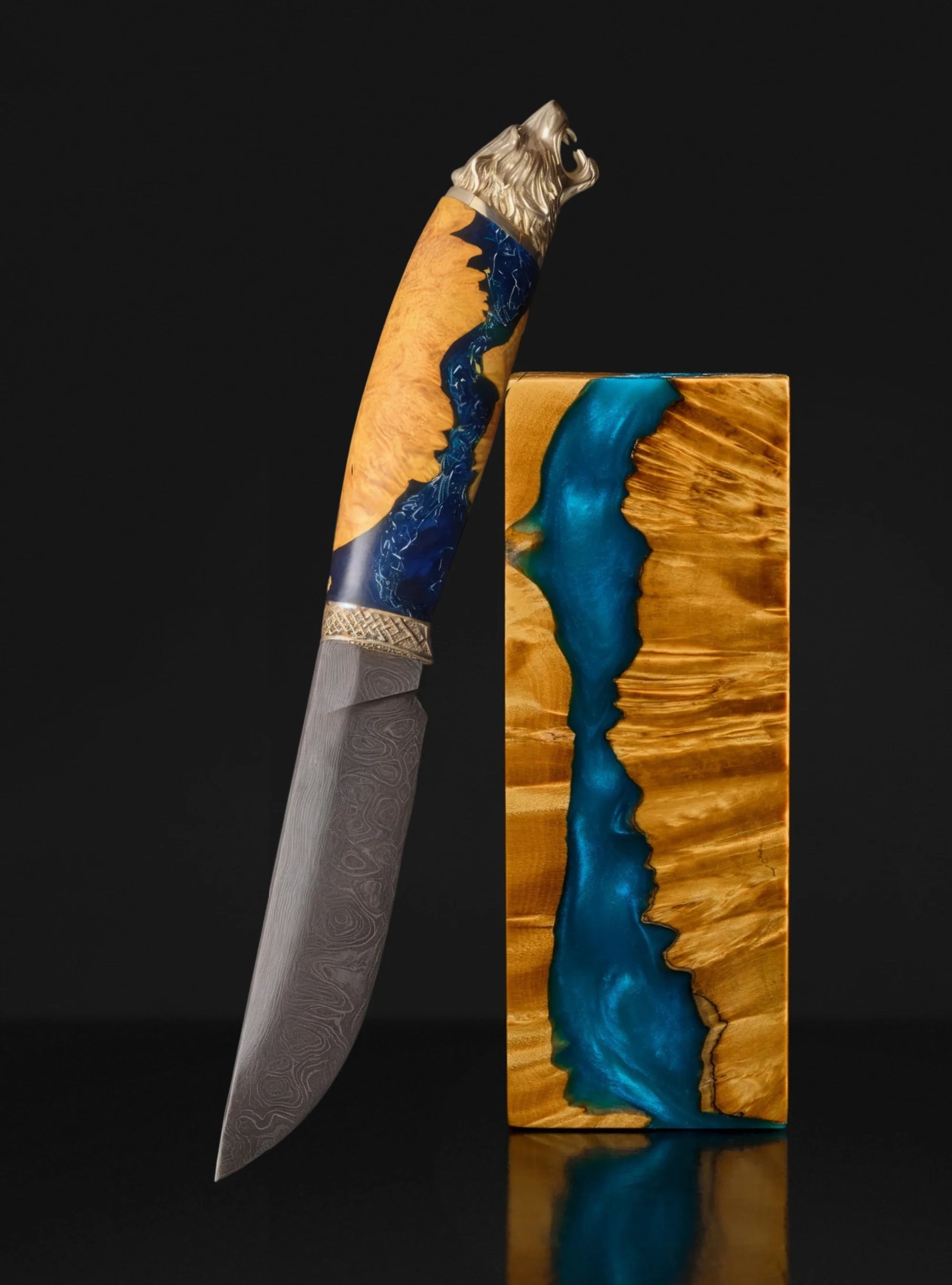
Damascus steel for structure and visual depth
-
Powder metallurgy steels for superior consistency
Each steel type is selected intentionally based on purpose and aesthetic.
3. Controlled Heat Treatment
Heat treatment is one of the most critical steps.
Luxury-level treatment ensures:
-
Optimal hardness
-
Long edge retention
-
Resistance to chipping and cracking
This process requires precision, timing, and experience—small errors permanently affect quality.
4. Hand-Shaping the Blade
Unlike machine-cut blades, luxury blades are shaped and refined by hand.
This allows:
-
Perfect symmetry
-
Clean, flowing lines
-
Balanced weight distribution
Hand-finishing creates subtle refinements machines cannot replicate.

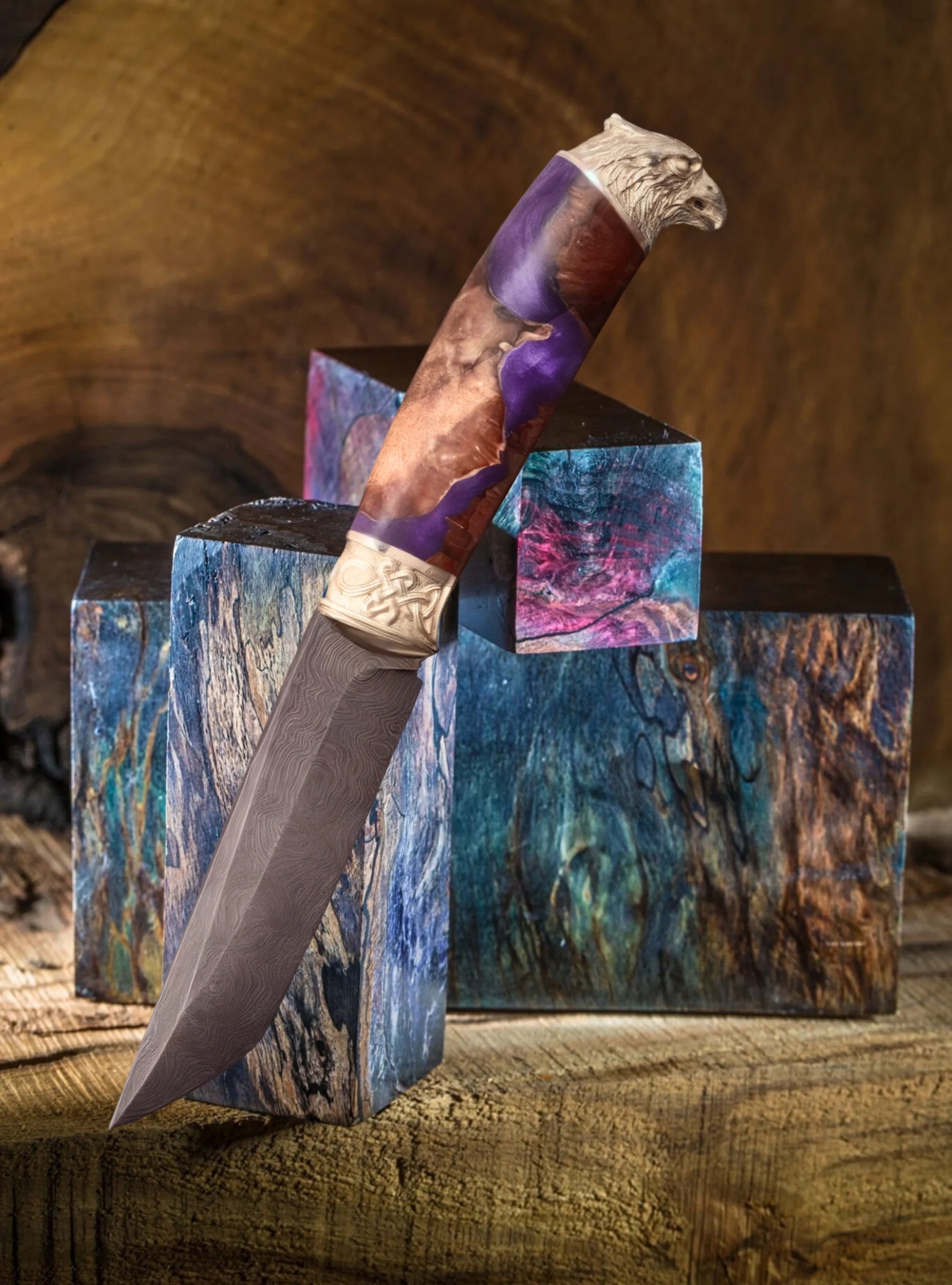
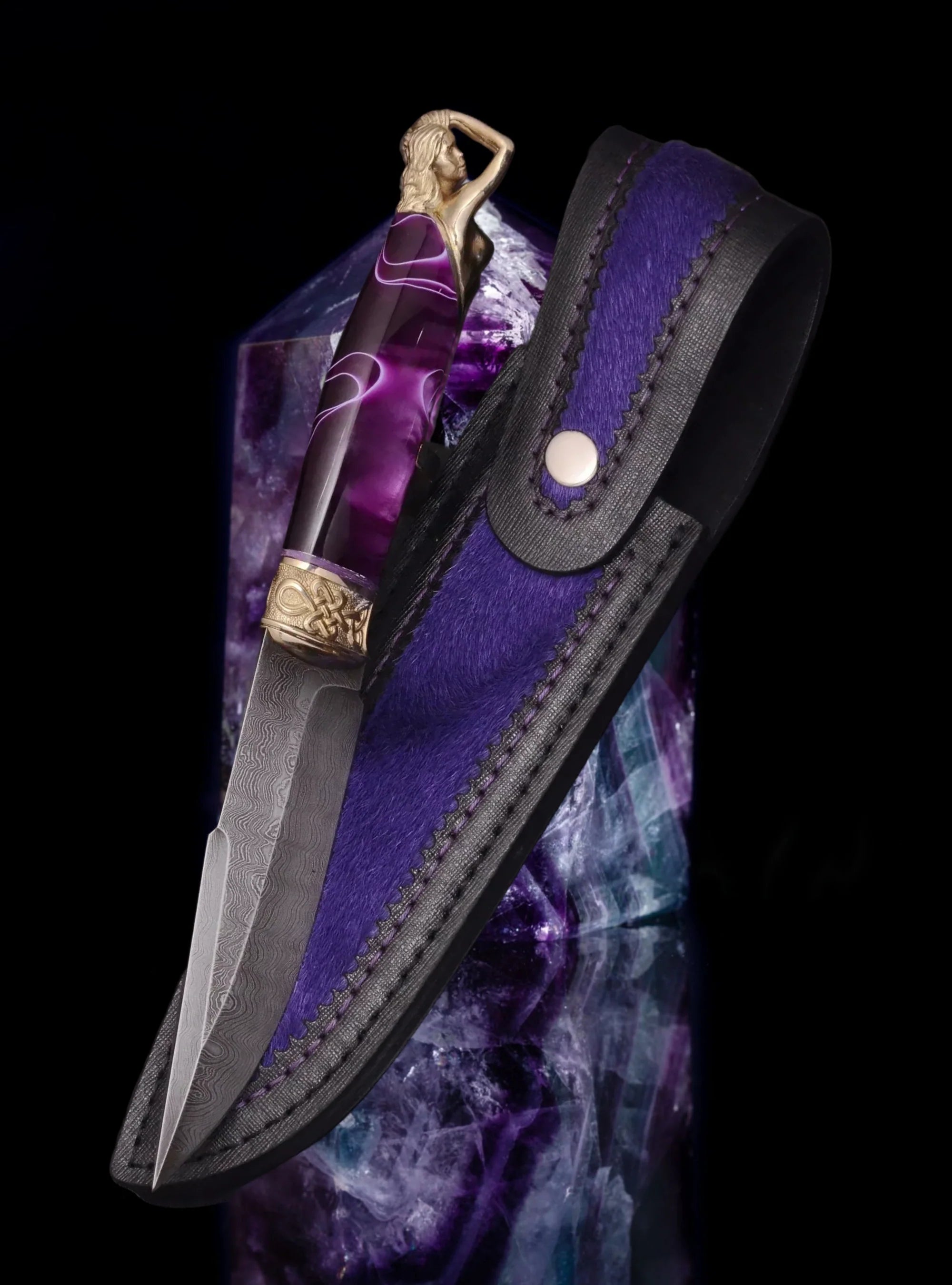
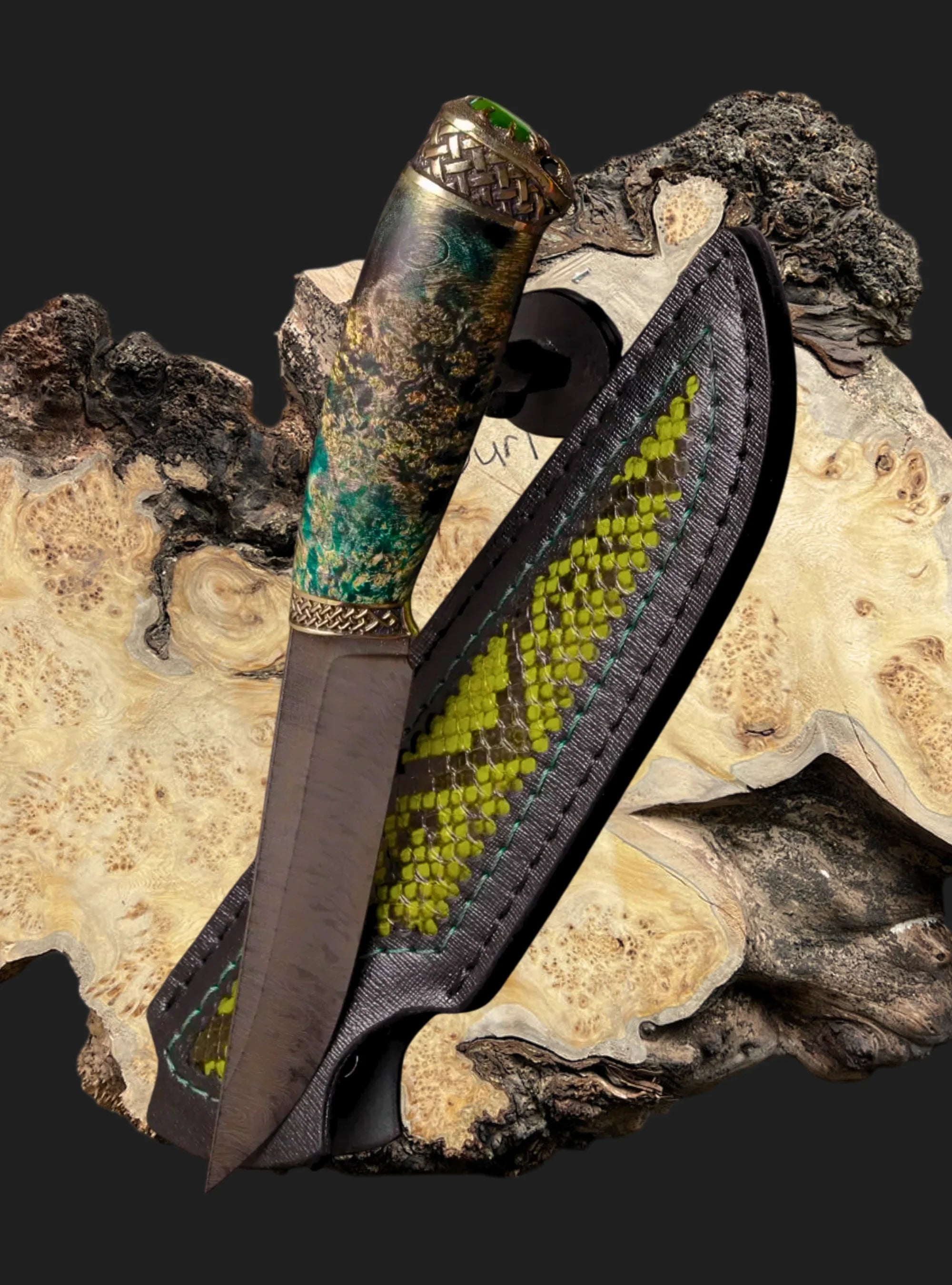
5. Thoughtful Handle Design
A luxury knife handle is both functional and artistic.
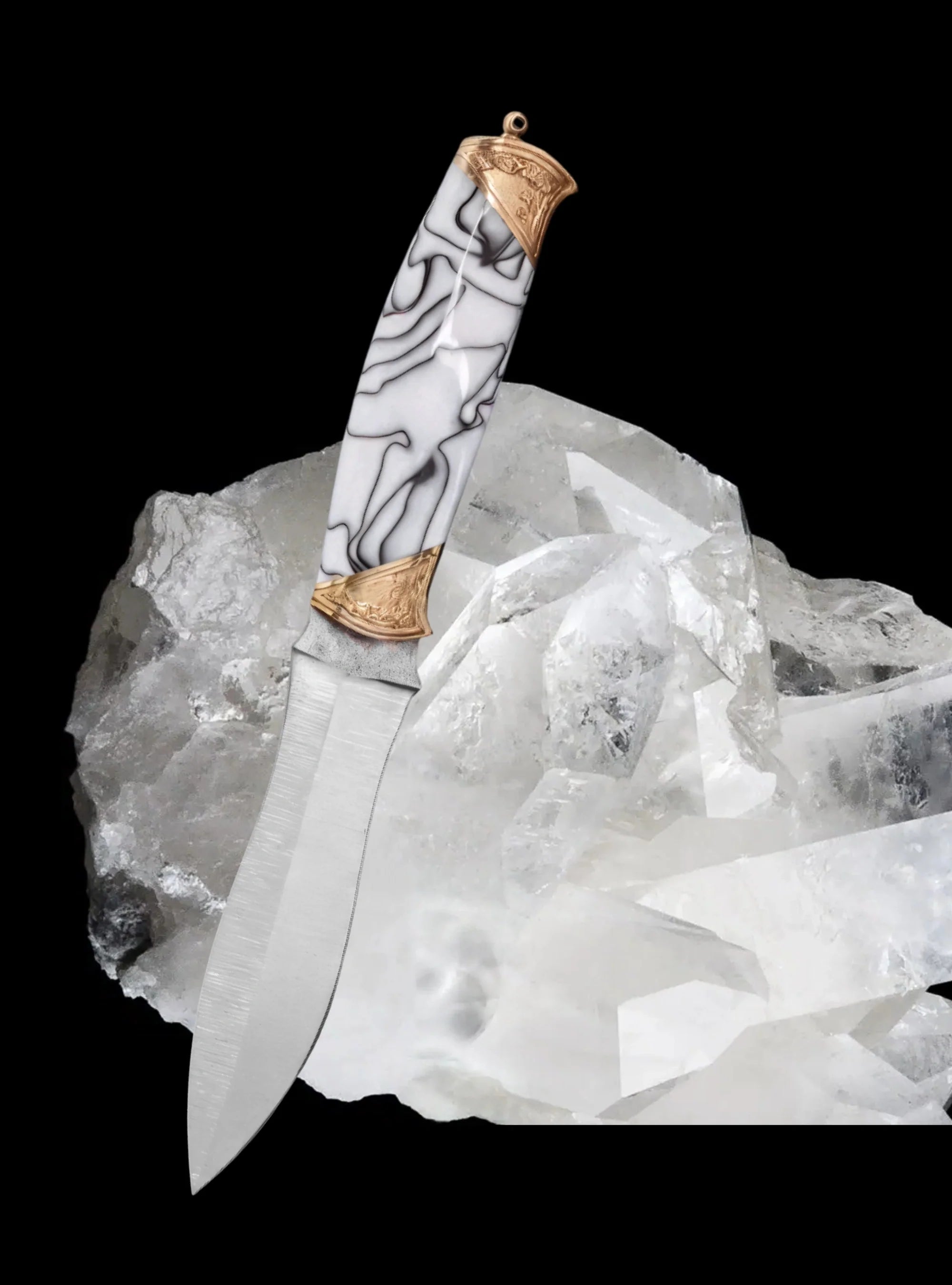
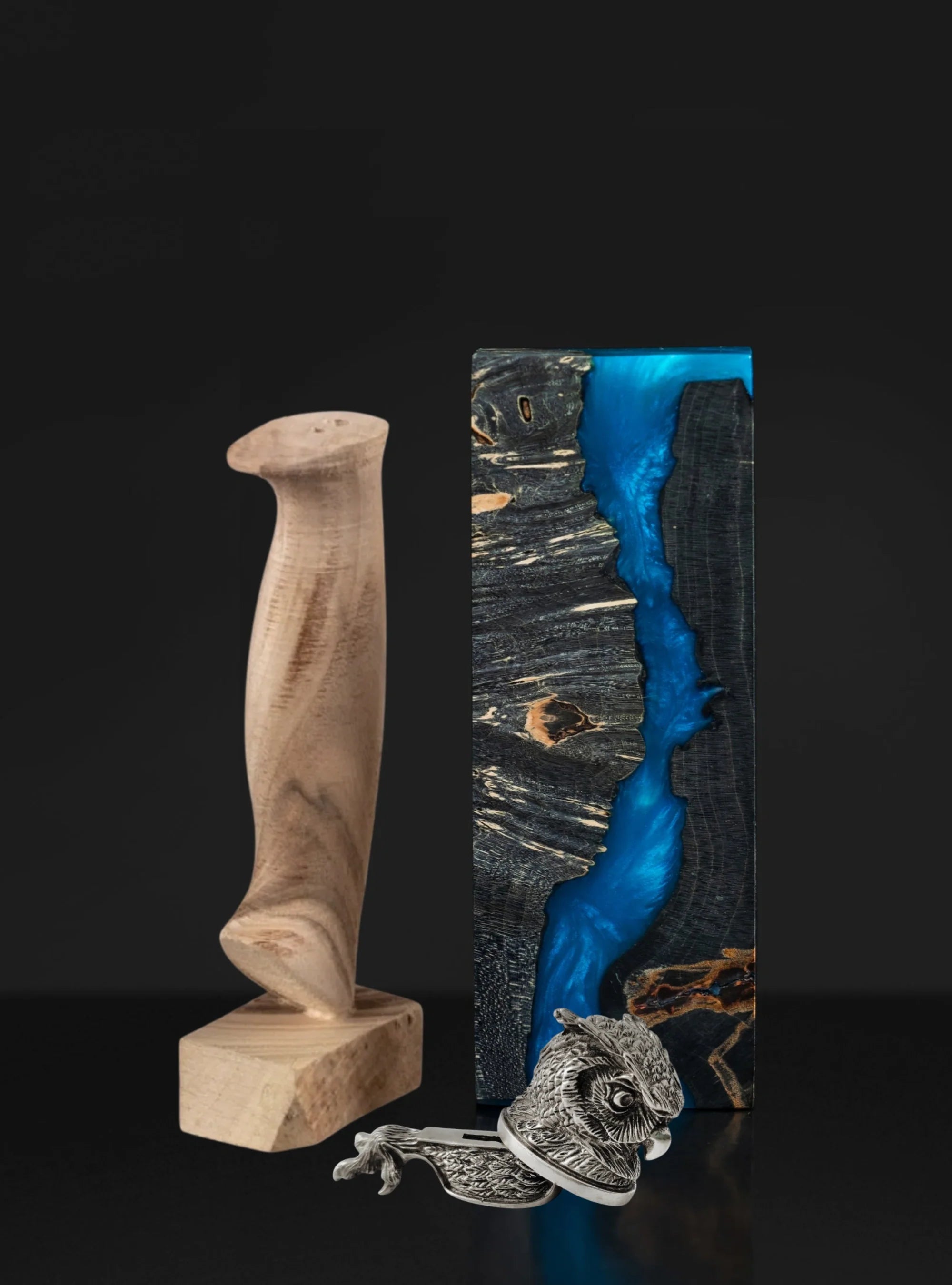
Premium handle materials include:
-
Stabilized exotic woods
-
Natural horn or bone
-
Stone, resin, or composite materials
The handle must feel balanced, secure, and refined in hand.
6. Seamless Fit and Finish
Luxury lies in the invisible details.
Expert-level finishing includes:
-
Flush transitions between blade and handle
-
No gaps, sharp edges, or uneven surfaces
-
Perfect alignment of all components
This level of finish requires time, not shortcuts.
7. Balance and Ergonomics
A luxury knife should feel intuitive.
Proper balance:
-
Reduces hand fatigue
-
Enhances control
-
Reflects thoughtful design
True luxury is felt the moment the knife is held.
8. Artistic Vision and Individuality
No two luxury handmade knives are identical.
Each piece reflects:
-
The maker’s style
-
Unique materials
-
Subtle variations that define authenticity
This individuality transforms the knife into a functional art object.
9. Time and Patience
Luxury cannot be rushed.
Creating a single knife may take:
-
Dozens of hours
-
Multiple refinement stages
-
Careful inspection at every step
Time investment is a hallmark of quality.

10. Purpose Beyond Function
A luxury handmade knife often serves multiple roles:
-
Precision tool
-
Collectible object
-
Decorative or display piece
It can become an heirloom, a statement, or a centerpiece—far beyond utility.
Final Thoughts
Creating a luxury handmade knife requires expertise, intention, and respect for materials. It is a process where craftsmanship meets art, and functionality meets beauty. Every detail matters—and every detail tells a story.
Share:
Essential Care Tips for Luxury Handle Collectible Knives
How to Spot Poor Craftsmanship in High-End Knives?