


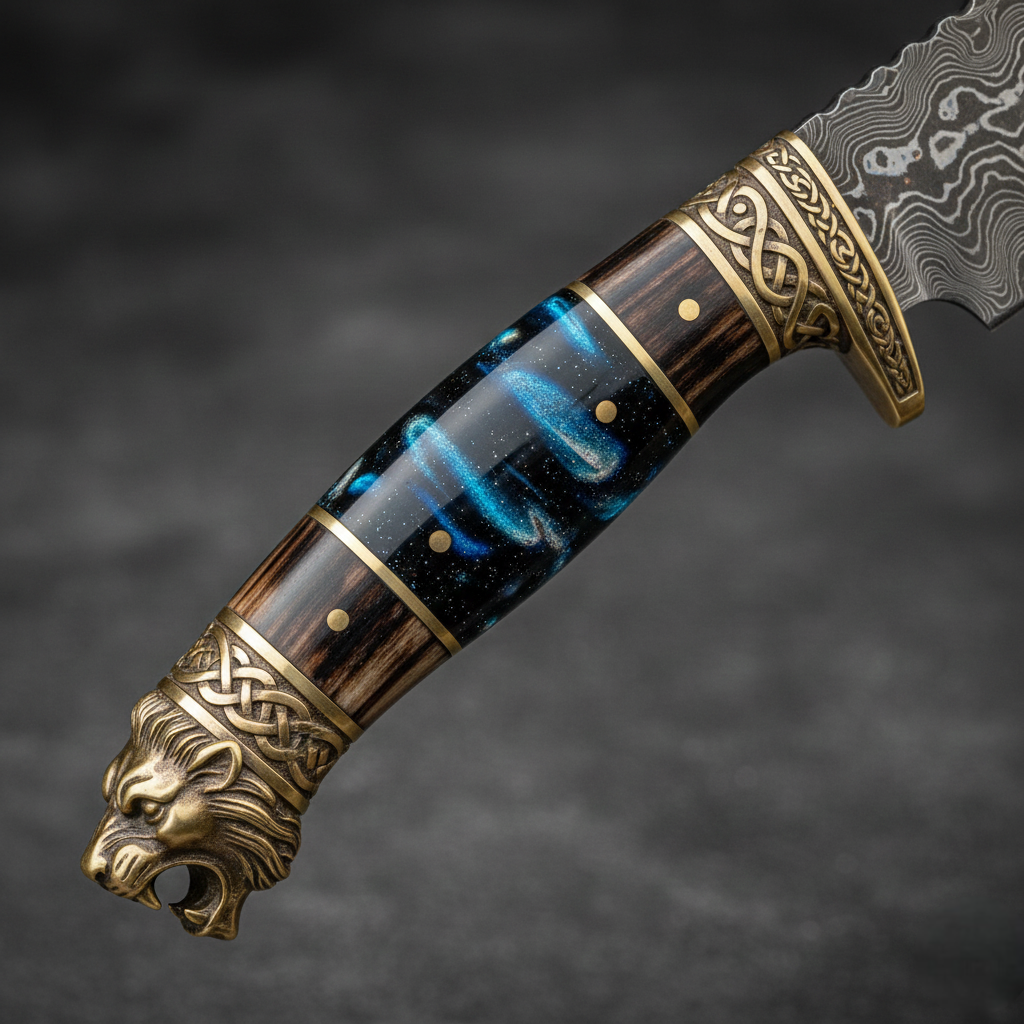
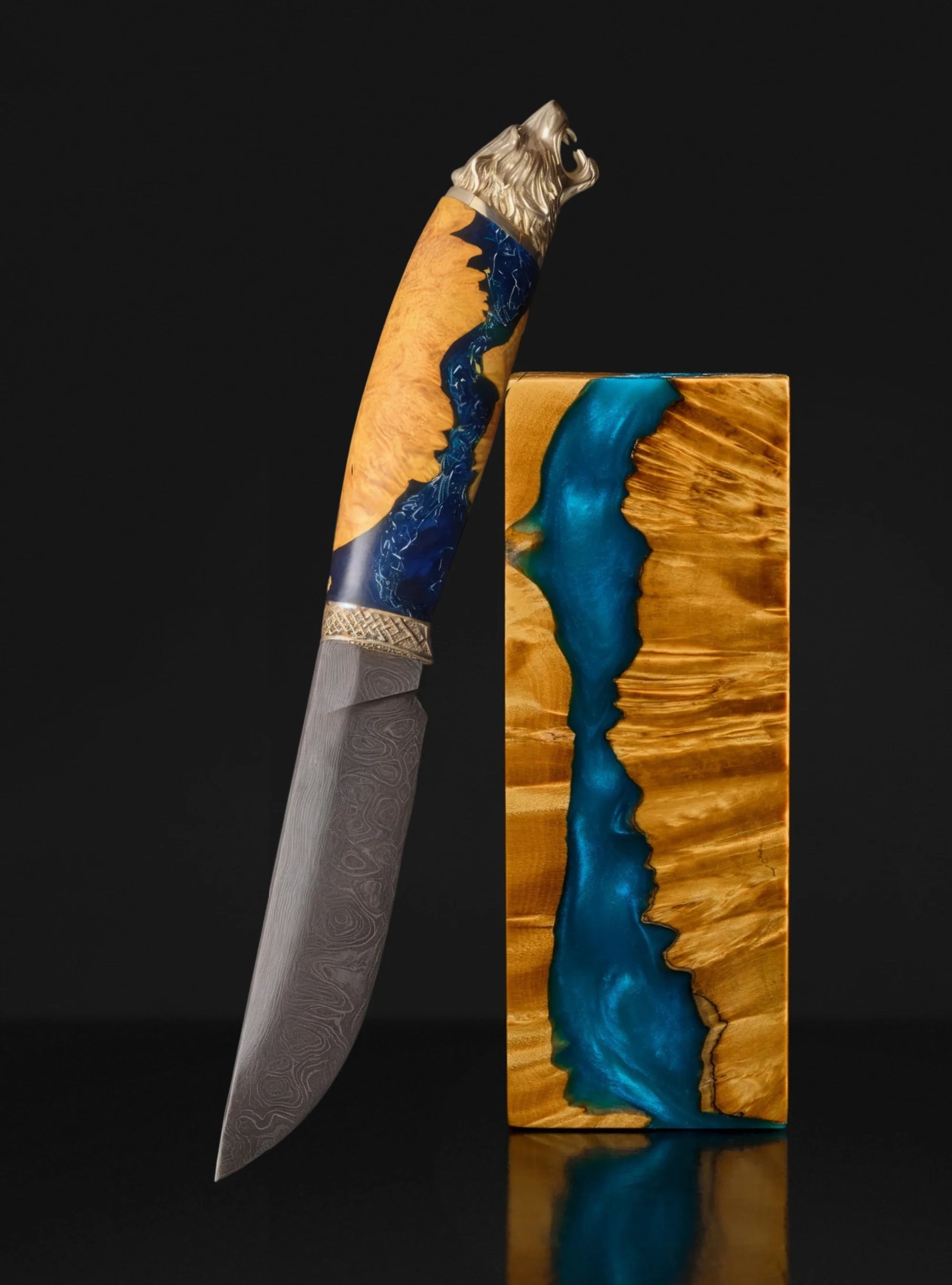
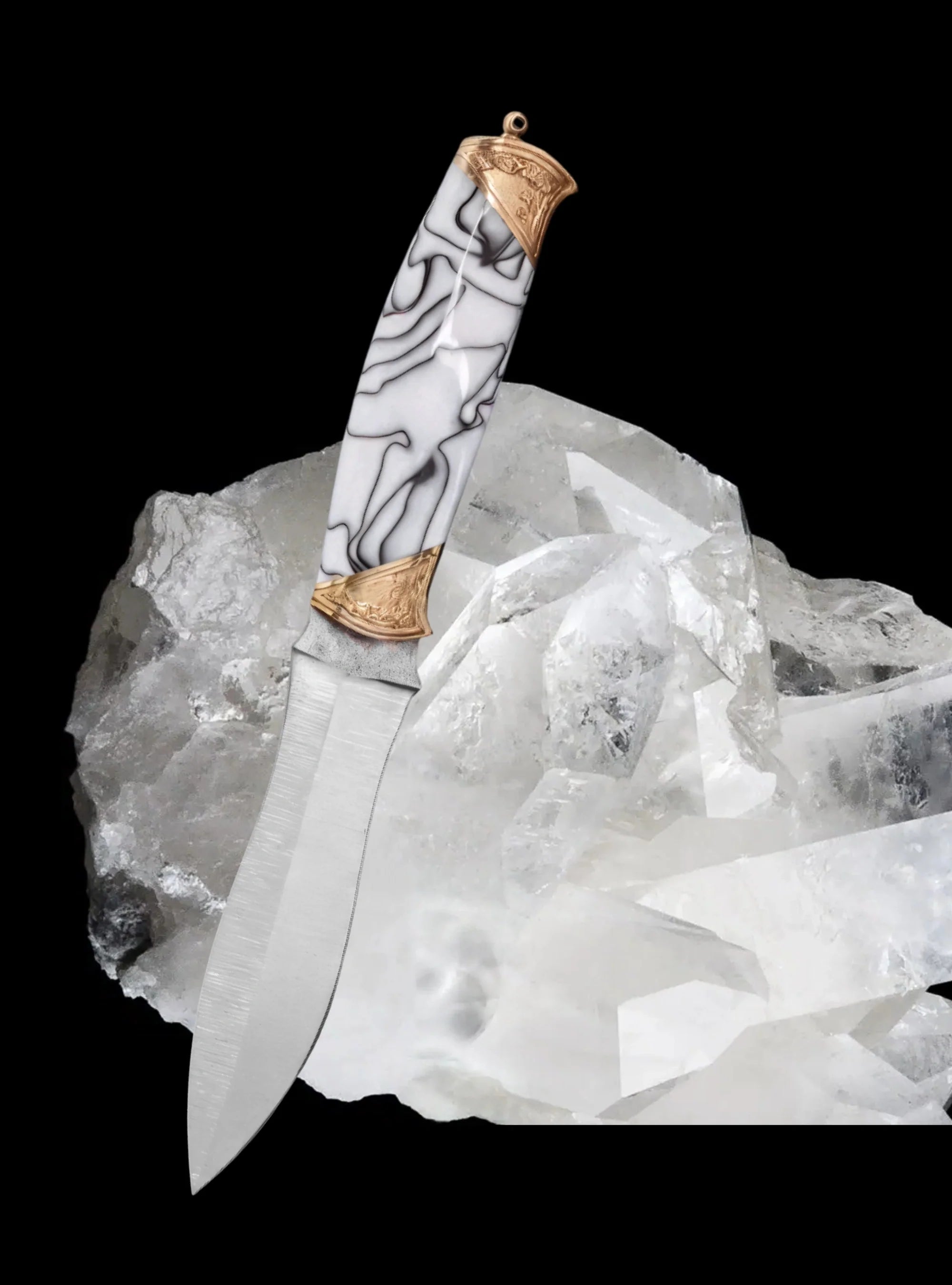
Luxury handle collectible knives are more than functional tools—they are works of art, craftsmanship, and heritage. Whether displayed as a decorative centerpiece or preserved as a long-term investment, proper care is essential to maintain their beauty, integrity, and value over time.
Below are expert care tips every collector should follow.
Essential Care Tips for Luxury Handle Collectible Knives
1. Handle with Clean, Dry Hands
Natural oils, moisture, and dirt can affect both blade and handle materials.
-
Always handle knives with clean, dry hands
-
Avoid touching the blade directly when possible
-
Use a soft cloth for routine handling
This simple habit prevents corrosion and surface staining.

2. Clean the Blade Properly After Handling
Even unused display knives require regular cleaning.
Best practice:
-
Wipe the blade gently with a microfiber cloth
-
Remove fingerprints immediately
-
Avoid harsh chemicals or abrasive materials
For carbon steel blades, light oiling is recommended to prevent oxidation.
3. Protect the Handle Material
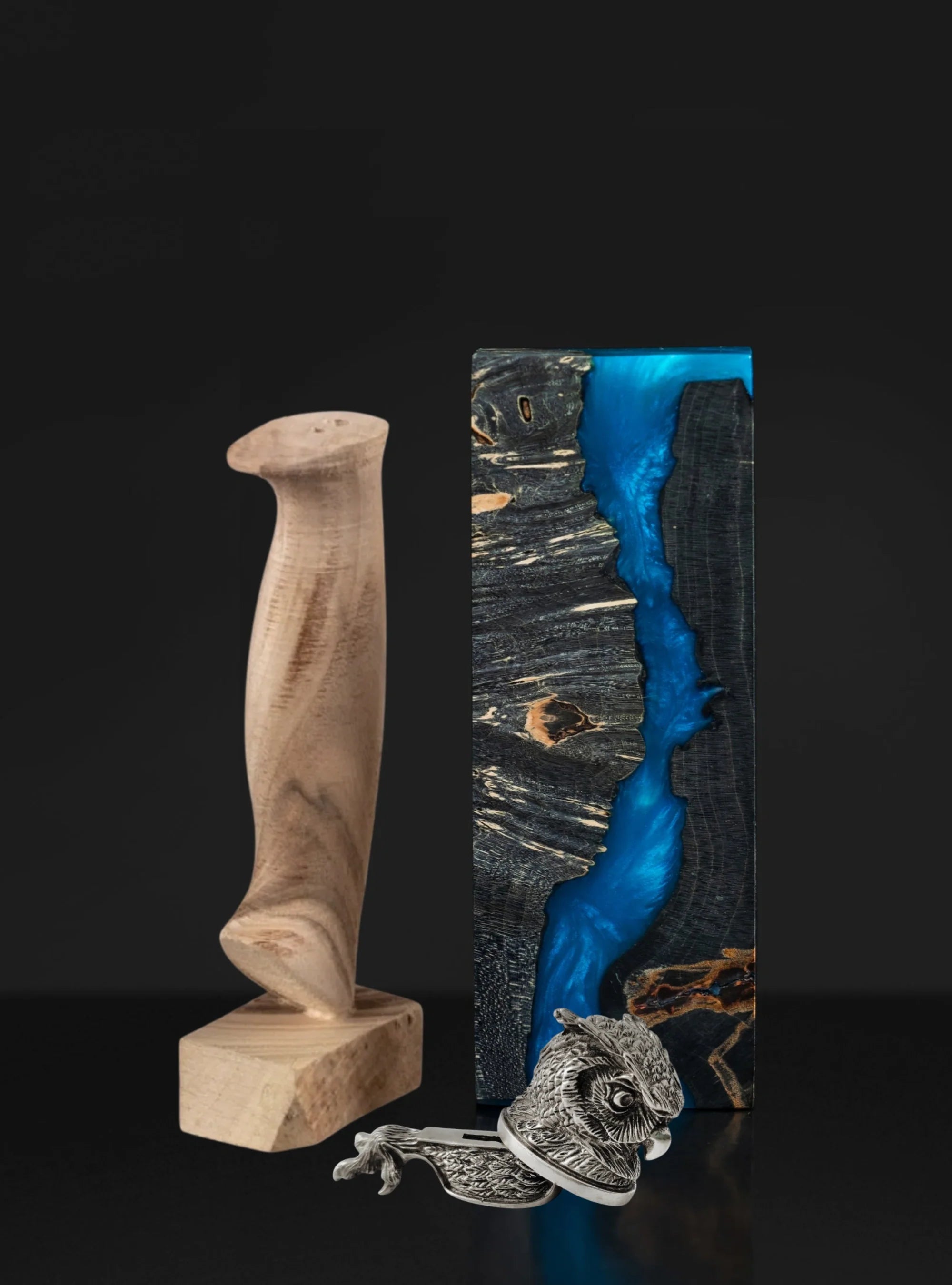
Luxury knife handles often feature rare and delicate materials such as stabilized wood, horn, bone, resin, or stone.
Care tips by material:
-
Wood: Avoid excess humidity or direct sunlight
-
Horn/Bone: Keep away from extreme temperatures
-
Resin or stone: Clean gently with a soft, dry cloth
Never soak or submerge the handle in water.
4. Store Knives in a Controlled Environment
Storage conditions directly affect longevity.
-
Keep knives in a dry, well-ventilated area
-
Avoid leather sheaths for long-term storage
-
Use display stands or protective cases
A stable environment helps prevent rust and material degradation.
5. Use Protective Oil When Needed
Applying the right oil preserves blade finish and prevents corrosion.
Recommended options:
-
Food-grade mineral oil
-
Camellia oil (traditional for blades)
Apply a thin layer and wipe off excess.

6. Avoid Unnecessary Sharpening
Collectible knives should not be sharpened frequently.
-
Over-sharpening reduces blade life
-
Incorrect angles can damage craftsmanship
If sharpening is necessary, consult a professional experienced with luxury blades.
7. Display Knives Thoughtfully
When used as décor or art objects:
-
Display away from direct sunlight
-
Avoid high-humidity areas (kitchens, bathrooms)
-
Use stands that support the knife without pressure
Proper display enhances beauty while preserving condition.

8. Inspect Regularly for Early Signs of Wear
Routine inspection helps catch issues early.
Look for:
-
Minor rust spots
-
Handle loosening
-
Changes in material texture
Addressing small problems early prevents costly damage.
9. Avoid Using Collectible Knives for Heavy Tasks
Luxury collectible knives are not utility tools.
-
Avoid cutting hard materials
-
Do not use for food prep unless designed for it
-
Treat them as precision-crafted objects
Preserving originality is key to maintaining value.

10. Keep Documentation and Provenance
For serious collectors:
-
Store certificates of authenticity
-
Keep purchase records
-
Document maker details and materials
Provenance increases long-term collectibility and resale value.
Final Thoughts
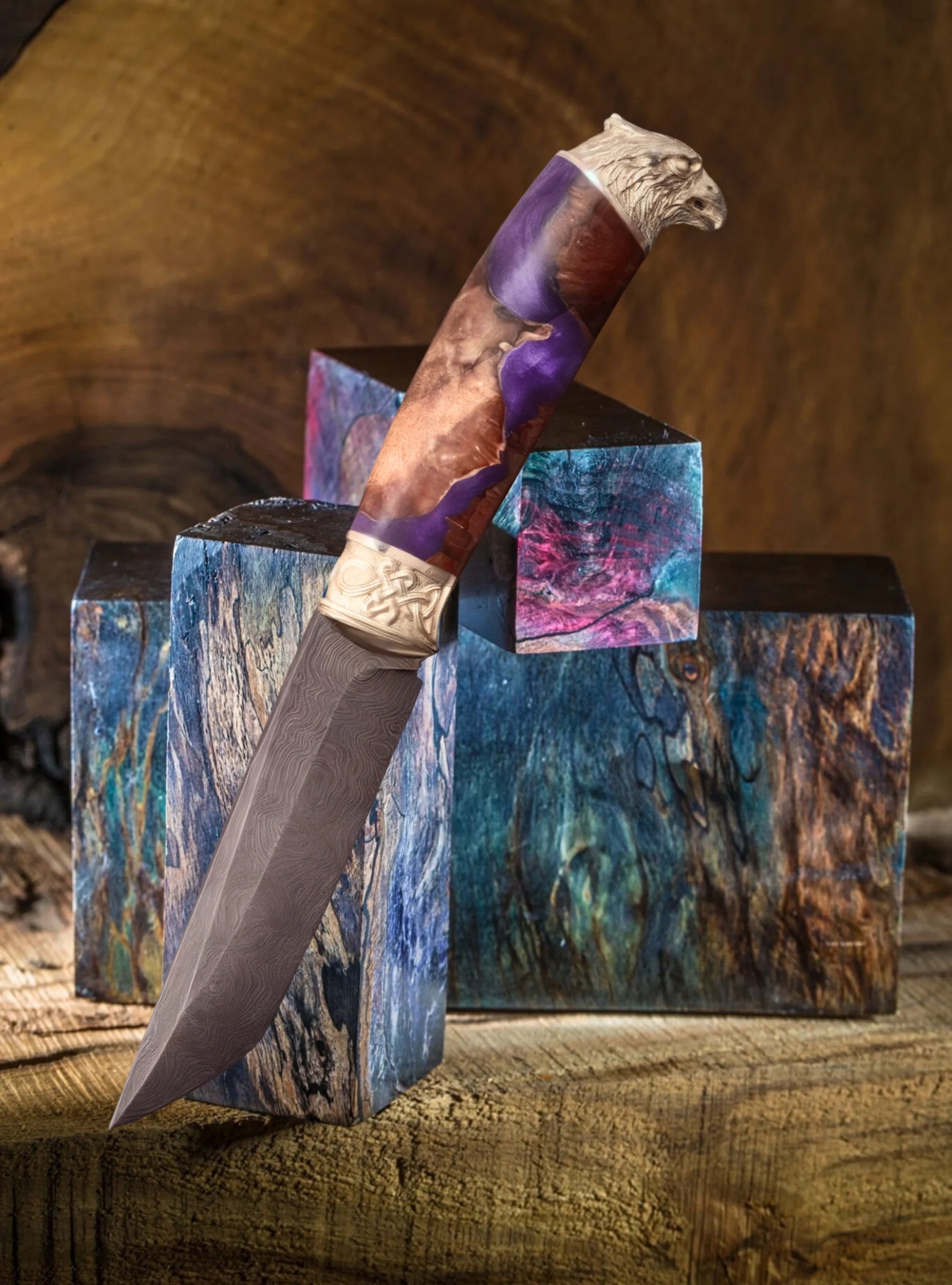
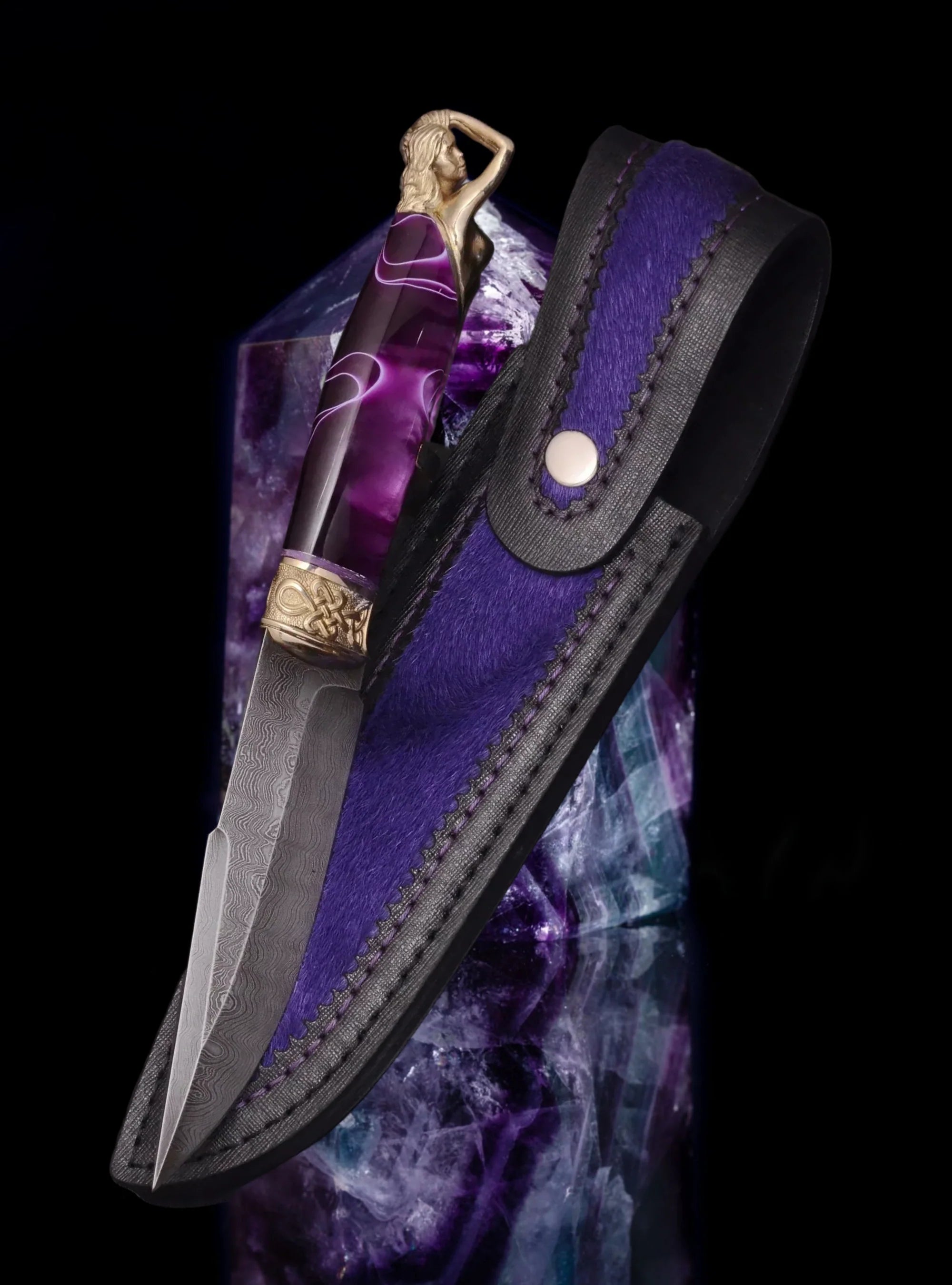
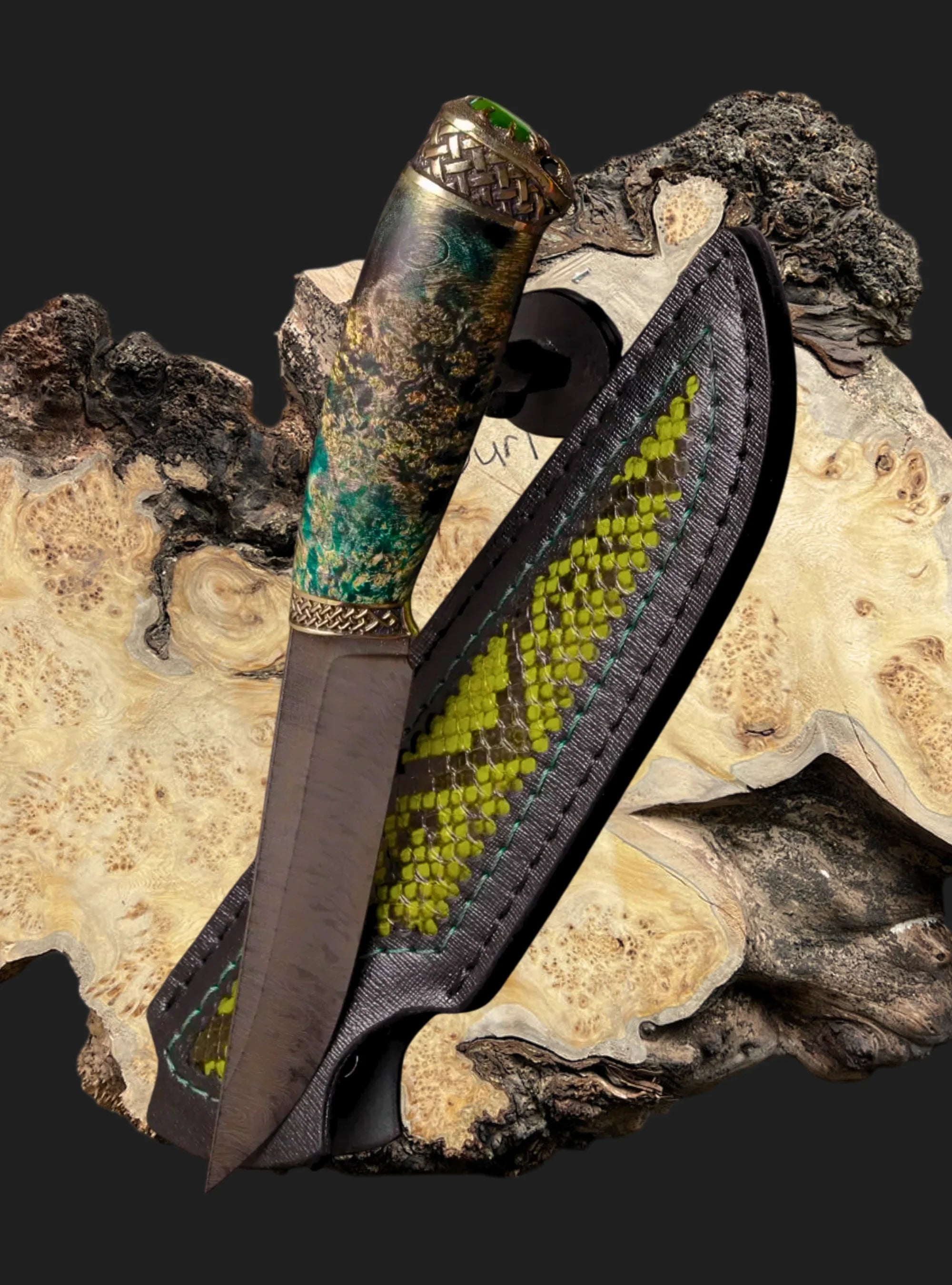
Caring for luxury handle collectible knives is about respect—for the materials, the craftsmanship, and the artistry behind each piece. With proper handling, storage, and maintenance, these knives can remain pristine heirlooms and striking decorative art objects for generations.
Share:
The Stages of Creating a Luxury Handmade Knife: A Step-by-Step Guide
What It Takes to Create a Luxury Handmade Knife?