


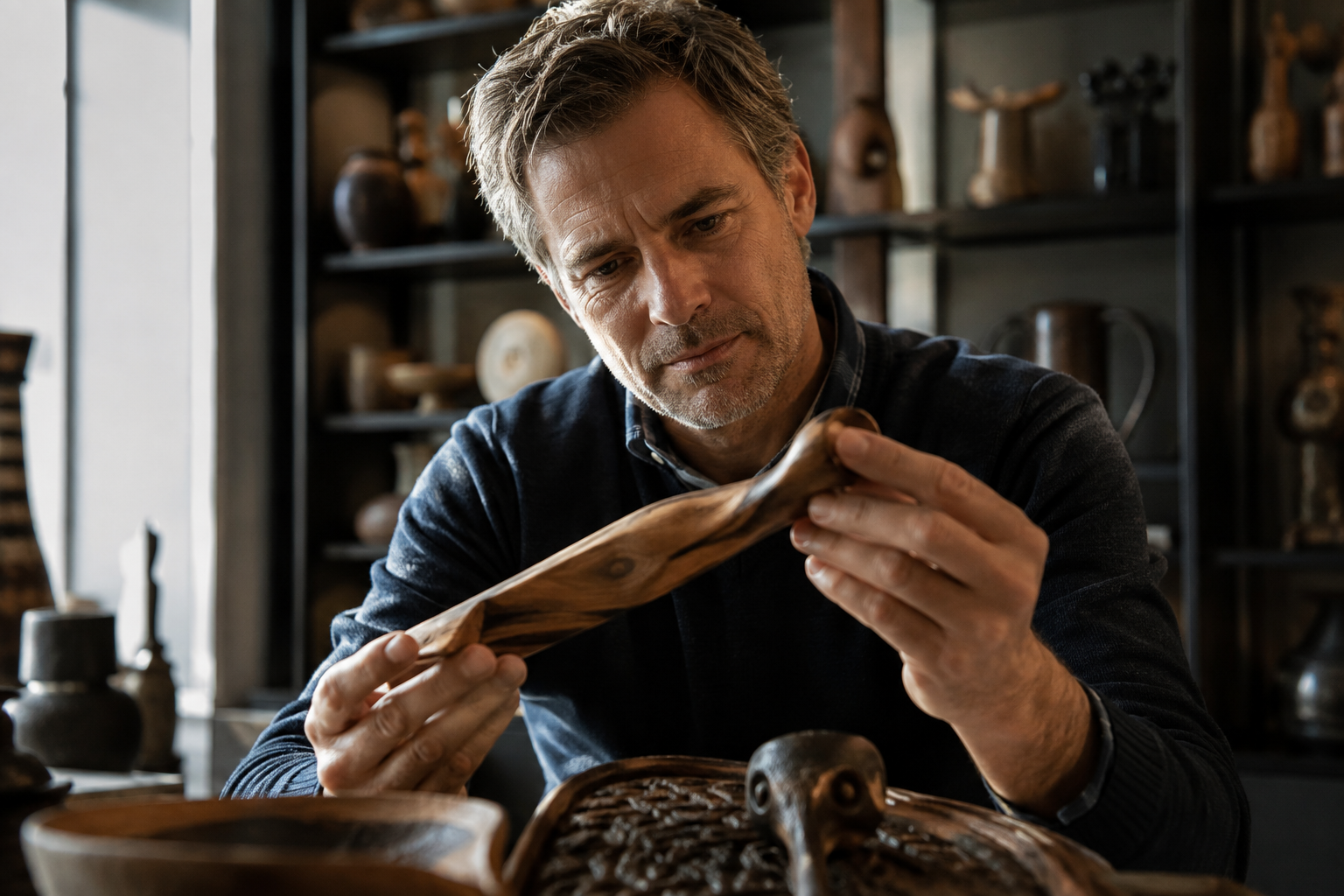
Why do people collect handmade objects when mass-produced alternatives are often cheaper, easier to find, and more practical?
The answer goes far beyond simple shopping. Collecting unique handmade objects can be connected to identity, memory, craftsmanship, creativity, nostalgia, and the human desire to surround ourselves with meaningful things.
A hand-carved walking cane, artisan umbrella, handmade leather bag, carved wooden box, sculptural vase, or one-of-a-kind decorative object can become much more than a possession. It can represent a story, a personal achievement, a memorable journey, or an appreciation for traditional craftsmanship.
In a world filled with mass-produced products, handmade objects offer something increasingly valuable: individuality.
This article explores the psychology of collecting unique handmade objects, why people become collectors, what makes handcrafted products emotionally valuable, and why handmade craftsmanship continues to attract collectors around the world.
The Psychology of Collecting Unique Handmade Objects
What Is the Psychology Behind Collecting?
Collecting is a natural human behavior. People collect objects for many different reasons, including enjoyment, curiosity, nostalgia, social connection, personal expression, and the satisfaction of finding something unusual.
Unlike ordinary purchasing, collecting often involves a deeper emotional relationship with objects.
A collector may spend months searching for a particular item, learn about the history of its craftsmanship, compare different designs, and carefully display the finished collection.
The object becomes part of a larger story.
This is particularly true with handmade products because every piece can have characteristics that distinguish it from another.
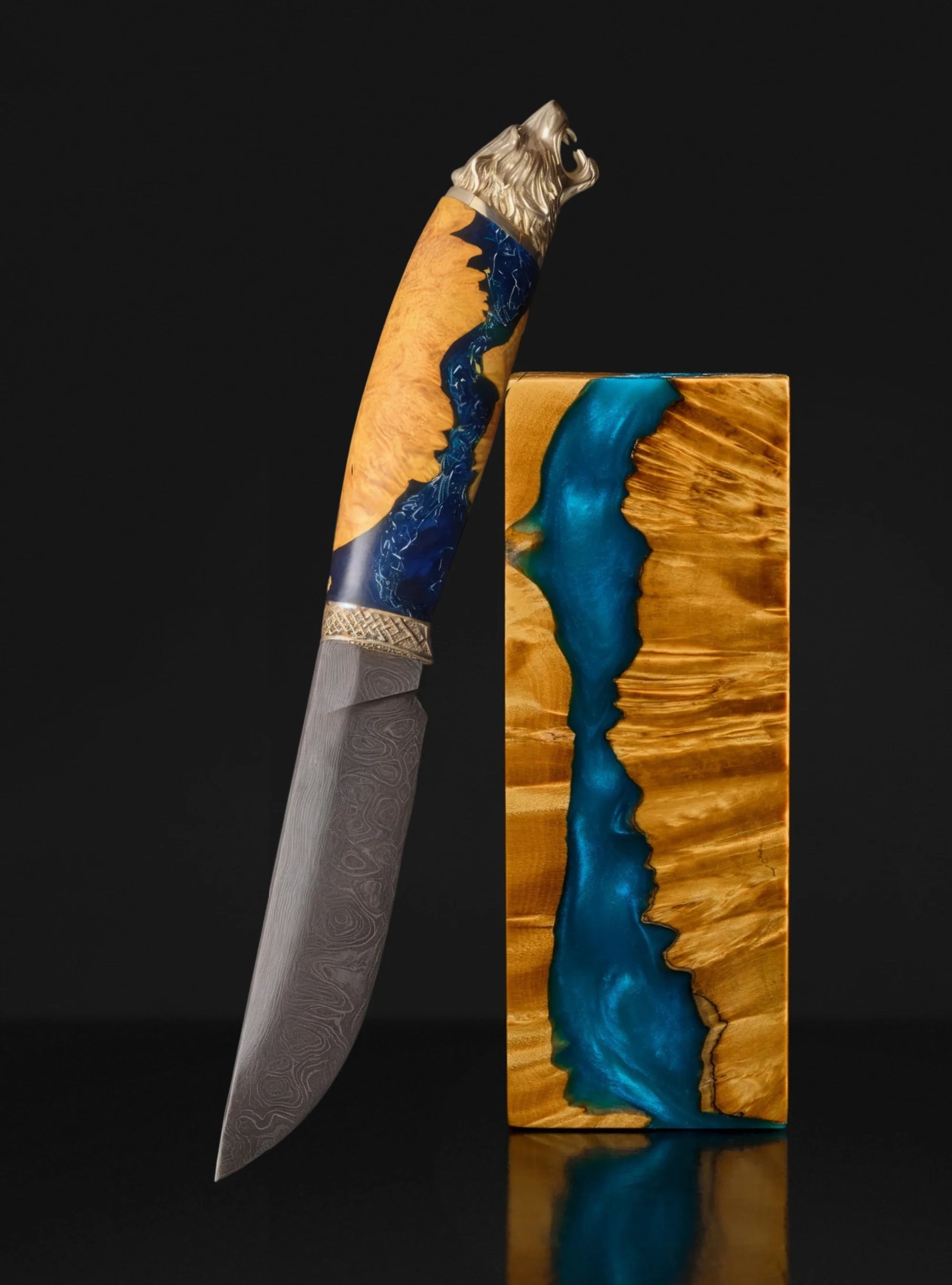
Small differences in wood grain, carving, finishing, color, texture, or construction can make an artisan object feel personal and unique.

Collecting Is About More Than Ownership
Buying something answers the question:
"Do I want this?"
Collecting often answers a different question:
"What does this object mean to me?"
That distinction helps explain why collectors can become emotionally attached to objects that have little practical necessity.
A handmade object can serve as a physical reminder of a person, place, experience, interest, or period of life.
Why Do People Collect Handmade Objects?
There is no single reason people become collectors. Several psychological motivations often overlap.
1. The Desire for Uniqueness
One of the strongest attractions of handmade objects is individuality.
Mass-produced products are designed to be replicated. Handmade products are often designed to preserve the character of the maker and the materials.
For collectors, that difference matters.
Owning a unique handmade object can provide a sense of individuality because the object feels less interchangeable with everything else.
This is especially appealing in modern interiors and wardrobes where many products are designed according to the same trends.
A handcrafted object introduces something different.
It might have an unusual shape, an unexpected material combination, distinctive carving, or an artistic detail that cannot easily be duplicated.
2. Appreciation for Craftsmanship
Collectors are often interested in how something was made, not just what it looks like.
A handmade object can reveal the skill of its maker.
Consider a hand-carved wooden object. The collector may notice:
- The choice of wood
- The grain pattern
- The carving technique
- The finishing process
- The proportions
- The small variations created by hand
- The amount of time required to produce it
These details create another layer of value.
The collector is not simply buying an object. They are acquiring an example of craftsmanship.
3. Emotional Connection
Objects can become associated with memories.
A handmade item purchased during a trip may remind someone of that destination years later.
A handcrafted gift can represent a relationship.
An inherited object can connect generations.
A collector may also purchase an object to celebrate an important moment, such as a birthday, anniversary, career achievement, or personal milestone.
Over time, the object becomes connected to the memory.
This is one reason handmade objects can feel more meaningful than ordinary household purchases.

Why Handmade Objects Feel More Personal?
The human brain naturally looks for stories and meaning.
When we know that a person designed, carved, stitched, painted, or assembled an object by hand, we can perceive the object differently.
The manufacturing process becomes part of the product's identity.
A handmade walking cane, for example, can be appreciated not only as a functional accessory but also as a piece of wood craftsmanship.
A handcrafted leather bag can represent traditional leatherworking techniques.
An artisan umbrella can combine engineering, materials, design, and decorative craftsmanship.
The physical object becomes evidence of human skill.
That perceived human involvement can make handmade products feel warmer and more authentic than anonymous mass-produced alternatives.
The Appeal of Imperfection
One of the most interesting aspects of handmade products is that they are rarely perfectly identical.
Two pieces made from natural wood may have different grain patterns.
Two hand-painted objects may have subtle variations.
Hand-carved details may differ slightly from one piece to another.
In mass production, these differences can be considered imperfections.
To a collector, they can be part of the appeal.
This idea is sometimes described as the beauty of imperfection.
The small variations provide evidence that a human being actually worked on the object.
Instead of reducing value, those characteristics can increase authenticity.
Handmade Objects and Personal Identity
The objects people choose to keep around them can communicate something about who they are.
A collection of vintage cameras may suggest an interest in photography.
A collection of antique maps may reflect an interest in history and exploration.
A collection of handmade wooden objects may demonstrate an appreciation for natural materials and craftsmanship.
A collection of artisan accessories may communicate an interest in design and individuality.
In this sense, collecting becomes a form of self-expression.
The collector is creating an environment that reflects personal interests and values.
Your Collection Can Become Part of Your Story
Think about the difference between saying:
"I own several handmade objects."
and:
"These are objects I discovered over many years, each connected to a particular place, person, or period of my life."
The second description reveals why collecting can become emotionally significant.
The collection becomes a visual biography.
Why Scarcity Makes Objects More Attractive?
Another important psychological factor is scarcity.
When an object is difficult to find, people may perceive it as more valuable or desirable.
Handmade objects naturally create a sense of scarcity when production is limited.
An artisan may produce only a small number of pieces because each object requires substantial time and attention.
Some designs may never be reproduced.
For collectors, this creates an important distinction between owning an object and discovering an object.
The search itself becomes part of the experience.
Finding something unusual can provide a sense of achievement.
The Thrill of the Search
Collecting is not always about the final purchase.
The process of searching can be just as enjoyable.
Collectors may:
- Discover an unusual object.
- Research its materials and craftsmanship.
- Compare different designs.
- Search for rare variations.
- Learn about the maker.
- Decide whether the object belongs in their collection.
- Display and care for the piece.
This process combines curiosity, discovery, research, and decision-making.
The internet has made this process even easier because collectors can discover artisans and unusual products from around the world.
Why Collectors Become Attached to Objects?
Emotional attachment can develop when an object becomes associated with personal experiences.
Psychologists sometimes discuss this phenomenon in terms of meaning, memory, and identity.
An object can become valuable because of what it represents.
For example, a handcrafted object might remind someone of:
- A family member
- A special trip
- A personal achievement
- A favorite hobby
- A historical period
- A cultural tradition
- A meaningful gift
- A memorable event
The monetary price of the object may become less important than its personal meaning.
This helps explain why collectors sometimes keep objects for decades.
The Difference Between Collecting and Hoarding
It is important to distinguish healthy collecting from problematic accumulation.
Collecting generally involves intentional selection. A collector typically has a theme, interest, or personal reason for choosing particular objects.
Hoarding is different and can involve significant difficulty discarding possessions and serious problems with living spaces or daily functioning.
A curated collection is about selection and meaning.
The goal is not necessarily to own the largest number of objects.
For many collectors, the goal is to find the right objects.
Why Handmade Objects Work So Well as Gifts?
The psychology of collecting also helps explain why handmade products can make memorable gifts.
A generic product may be useful, but a distinctive handcrafted object can communicate thought and intention.
The recipient may think:
"Someone specifically chose this for me."
That perception can make the gift more emotionally significant.
Handmade gifts can be particularly appropriate for people who appreciate:
- Art
- Design
- Traditional craftsmanship
- Natural materials
- History
- Unique accessories
- Functional objects with artistic character
- Collectible objects
The object can remain meaningful long after the occasion has passed.
Collecting as a Connection to Tradition
Handmade craftsmanship can also connect collectors with traditional skills.
Many crafts have histories that stretch across generations.
Wood carving, leatherworking, metalworking, weaving, ceramics, and other crafts preserve techniques that might otherwise disappear.
When people purchase handcrafted objects, they can become interested in the traditions behind them.
The object therefore represents more than its physical materials.
It can represent knowledge passed from one maker to another.
For collectors, this historical dimension can significantly increase interest.

Why Natural Materials Matter to Collectors?
Natural materials often add another psychological dimension to handmade objects.
Wood, leather, stone, natural fibers, and other materials have individual characteristics.
No two pieces of natural wood have exactly the same grain.
A handmade wooden object therefore has a visual history embedded in its material.
Collectors may become interested in different wood species, grain patterns, finishes, or carving techniques.
The material itself becomes part of the collecting experience.
The Role of Storytelling in Handmade Products
A strong story can dramatically change how people perceive an object.
Compare two descriptions:
"Wooden walking cane."
and:
"Handcrafted walking cane made from carefully selected wood and shaped by an artisan."
The second description provides context.
It tells the buyer that there is a process behind the object.
This is why storytelling is so important in the world of artisan products.
Collectors often want to know:
- Who made it?
- What materials were used?
- Where was it made?
- How was it produced?
- What inspired the design?
- Is it limited or unusual?
- What makes it different?
The story gives the object meaning.
Why People Display Their Collections?
Collecting does not necessarily mean hiding objects away.
Many collectors intentionally display their favorite pieces.
Display serves several purposes.
Personal Enjoyment
Collectors can see and appreciate objects every day.
Conversation
Unusual objects naturally attract attention and can become conversation starters.
Identity
A collection can communicate interests and personality to visitors.
Preservation
Careful display can help protect valuable or delicate objects.
A thoughtfully arranged collection can also become part of the interior design of a home.
Instead of treating objects as clutter, collectors can use them as visual focal points.
The Psychology of Curating a Collection
A good collection is often curated rather than accumulated randomly.
Collectors may develop rules for what belongs in their collection.
For example:
- Only handmade objects
- Only objects made from wood
- Only objects from a particular country
- Only historical designs
- Only limited-edition pieces
- Only functional objects
- Only objects connected to a specific hobby
These rules create structure.
The collection becomes a personal system.
That sense of organization can make collecting particularly satisfying.
Why Collectors Love the "Next Find"?
One of the most powerful aspects of collecting is anticipation.
Once someone has acquired several objects, they may begin thinking about what comes next.
The next discovery could complete a group, introduce a new material, or fill a gap in the collection.
This creates a continuing cycle:
Discover → Research → Acquire → Appreciate → Search again
For many collectors, this cycle is part of the enjoyment.
The collection is never completely finished.
Handmade Objects in a Mass-Produced World
Modern manufacturing has made products more affordable and accessible than ever.
That is undoubtedly useful.
But abundance can create another desire: the desire for something different.
When thousands of identical products are available, an object made in a small workshop can feel special.
This creates a fascinating contrast:
Mass production offers consistency.
Handcraft offers individuality.
Neither is inherently better for every situation.
But for collectors, individuality often has greater emotional value.
How to Start a Collection of Handmade Objects?
You do not need a large budget or a dedicated display room to begin collecting.
Start with an interest rather than a quantity goal.
Choose a Theme
Decide what attracts you.
It could be handmade woodcraft, artisan accessories, traditional tools, decorative objects, ceramics, leather goods, or another category.
Learn About Craftsmanship
Research the materials, techniques, and history behind the objects.
The more you learn, the more details you will begin to notice.
Buy Slowly
There is no need to build a collection quickly.
One exceptional object can be more meaningful than ten objects purchased without much thought.
Look for Character
Pay attention to details that make an object distinctive.
Look at materials, craftsmanship, construction, design, and finishing.
Keep the Stories
Record where and when you acquired important pieces.
If possible, keep information about the maker, materials, and craftsmanship.
Years later, those details can become part of the object's story.
How to Choose a Unique Handmade Object?
When choosing a handcrafted piece, consider more than appearance.
Ask yourself:
Do I genuinely like the design?
A collectible should have personal appeal.
Is the craftsmanship interesting?
Look closely at construction, materials, finishing, and details.
Does it have a story?
An interesting origin or creative process can add emotional value.
Will I still appreciate it years from now?
Trends change, but personal taste often lasts longer.
Does it fit my collection?
A strong collection usually has some kind of connection between its pieces.
The Future of Handmade Collecting
As technology makes mass production increasingly efficient, human craftsmanship may become even more appealing.
Consumers can now order almost anything with a few clicks. That convenience makes genuinely distinctive objects stand out.
At the same time, online marketplaces allow small workshops and independent artisans to reach international audiences.
This creates new opportunities for collectors.
A person in the United States can discover a handcrafted object made in Europe. Someone in Europe can find an artisan product from another continent.
The world of collecting is becoming more connected.
Yet the fundamental motivation remains the same.
People want objects that mean something.
Frequently Asked Questions About Collecting Handmade Objects
Why do people collect handmade objects?
People collect handmade objects because they appreciate uniqueness, craftsmanship, creativity, tradition, personal expression, and emotional meaning. A handcrafted object can also become associated with memories or significant experiences.
Are handmade objects good collectibles?
They can be excellent collectibles because many handmade objects have distinctive designs, limited production, natural material variations, and craftsmanship that gives each piece its own character.
Why are handmade products more meaningful?
Handmade products can feel more meaningful because buyers can see the human effort and craftsmanship behind them. The materials, maker, production process, and story can all contribute to the object's emotional value.
What makes an object collectible?
An object can become collectible because of its rarity, craftsmanship, design, history, cultural significance, maker, uniqueness, or emotional meaning. Personal interest is often just as important as monetary value.
Is collecting a form of self-expression?
Yes. Collections can reflect a person's interests, aesthetic preferences, experiences, and values. The objects someone chooses to collect can communicate aspects of their personality and identity.
How should handmade collections be displayed?
Handmade collections can be displayed on shelves, cabinets, tables, walls, or dedicated display cases depending on the objects. The key is to give distinctive pieces enough space to be appreciated while protecting them from unnecessary damage.
Final Thoughts: Why We Collect What We Love?
The psychology of collecting unique handmade objects ultimately comes down to something simple: people want meaningful connections with the things they own.
A handmade object can represent craftsmanship, individuality, history, creativity, memory, or personal identity.
It can remind us that an object was not simply manufactured and shipped. Someone chose the material, developed the design, worked with their hands, and transformed an idea into something physical.
That human element is powerful.
In a world increasingly dominated by digital experiences and mass-produced goods, unique handmade objects provide something tangible and personal.
They give us things worth looking at, touching, using, remembering, and eventually passing on.
And perhaps that is the real psychology behind collecting.
We do not collect objects simply because we want more things.
We collect the things that tell our stories.
Share:
What Defines “Designer Handle” of Luxury Knives?
From Sketch to Finished Luxury Knife: The Design Process