

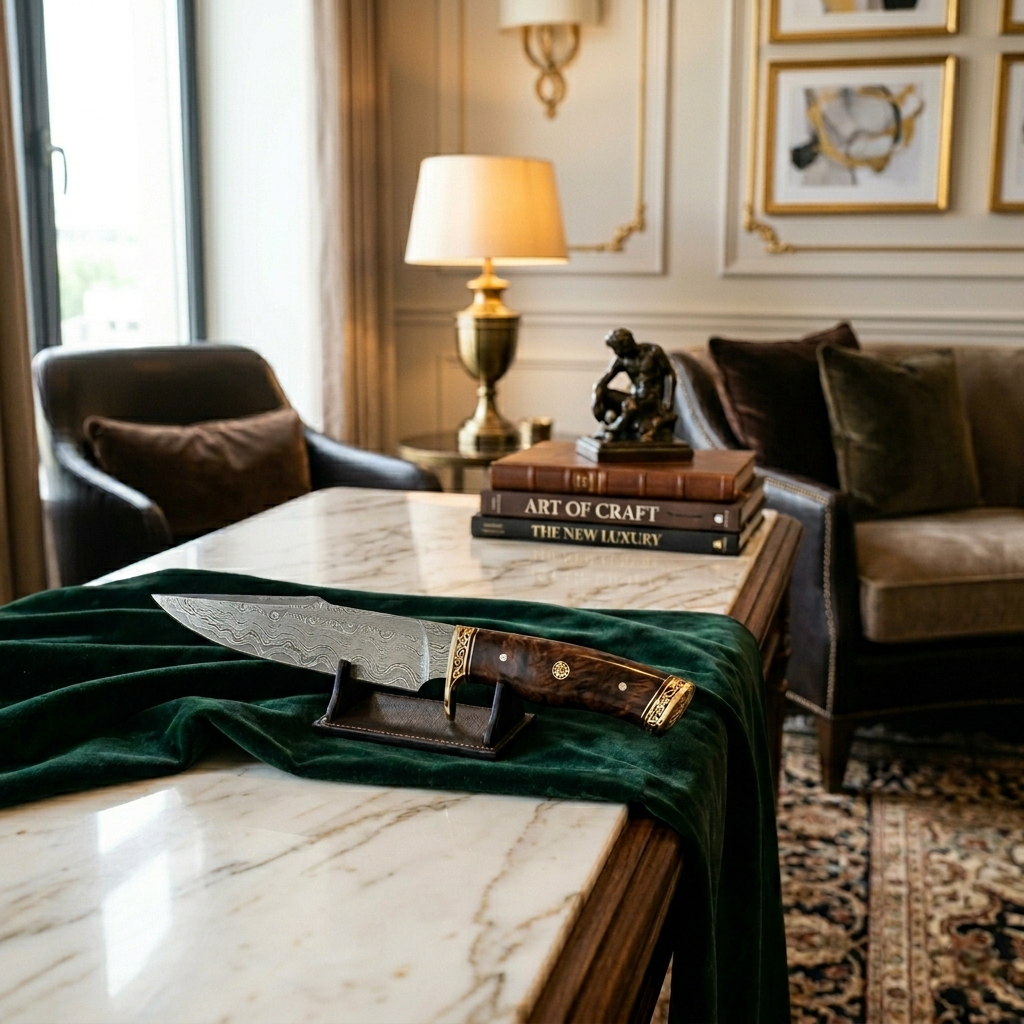
I didn’t realize my knife collection was starting to look… dated.
Not in an obvious way. Everything was still beautiful, still carefully chosen. But one evening, standing in front of it, I noticed something subtle—the pieces weren’t speaking the same language anymore.
Some felt heavy. Others too decorative. A few looked almost frozen in time.
That’s when I started paying attention to where knife aesthetics are actually going—not just what exists now, but what’s quietly emerging.

And the shift isn’t loud.
It’s more like a change in attitude.
The first thing I noticed is how much simpler everything is becoming.
Not empty. Not stripped down. Just… more intentional.
There’s a move toward clean lines, restrained forms, and minimal visual noise. Blades that don’t try to impress at first glance, but reveal themselves slowly. Handles that feel integrated instead of decorative.
It’s not about removing detail.
It’s about removing excess.
This kind of minimalism isn’t cold—it’s focused. And that focus changes how a knife feels in a space. It becomes quieter, but more precise.
And oddly, more modern.
This aligns with a broader shift toward sleek, minimalist designs that balance function and elegance .
At the same time, there’s a growing tension between minimalism and expression.
Because while some designs are becoming simpler, others are becoming more personal.
Not louder—just more individual.
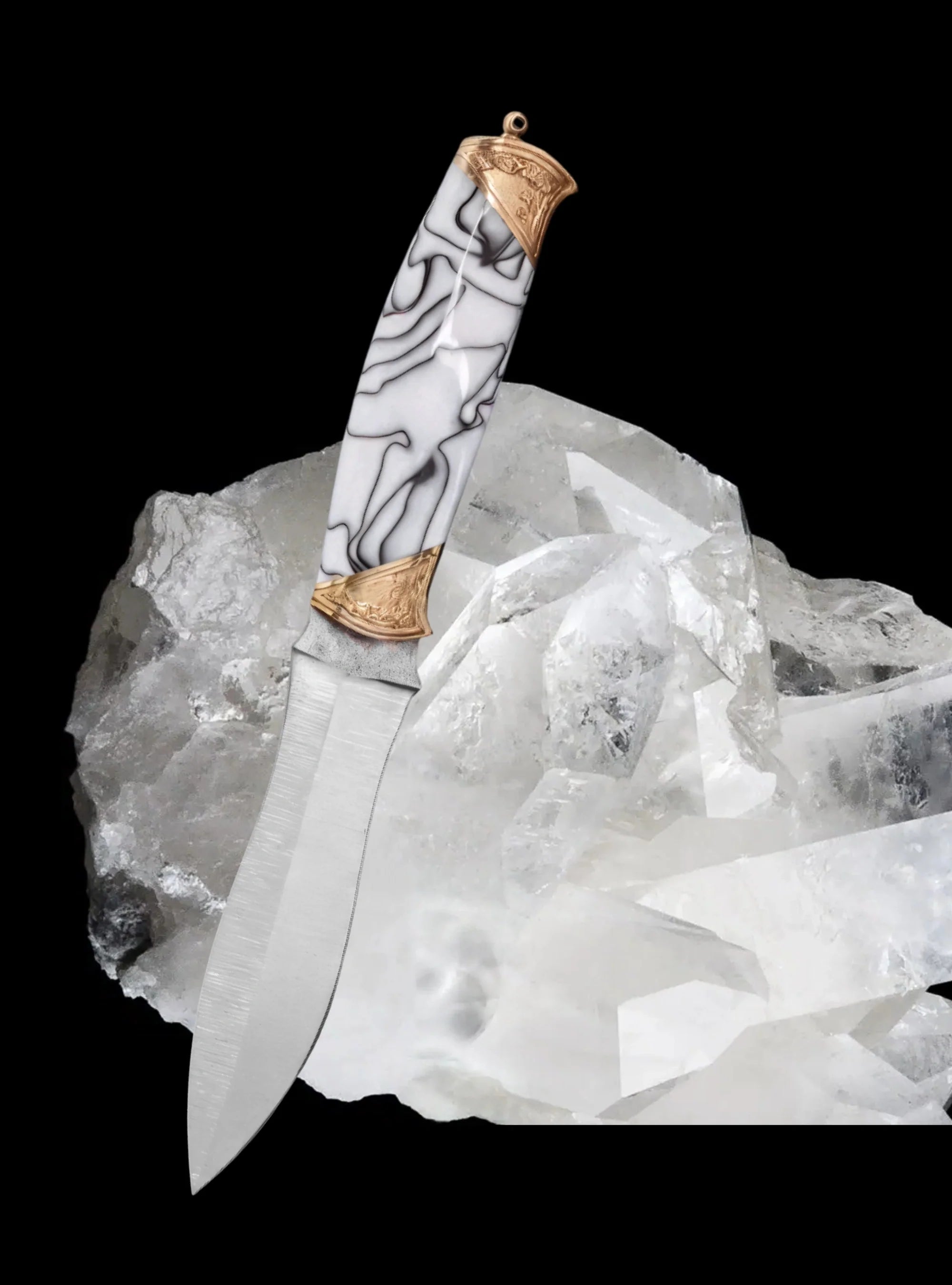
I started seeing more subtle engravings, unique handle materials, small details that don’t immediately stand out but carry meaning. It’s less about showing something off, and more about embedding identity into the object.
That’s where collections start to feel like stories again.
Not just displays.
Materials are changing too, and that shift is more visible than I expected.
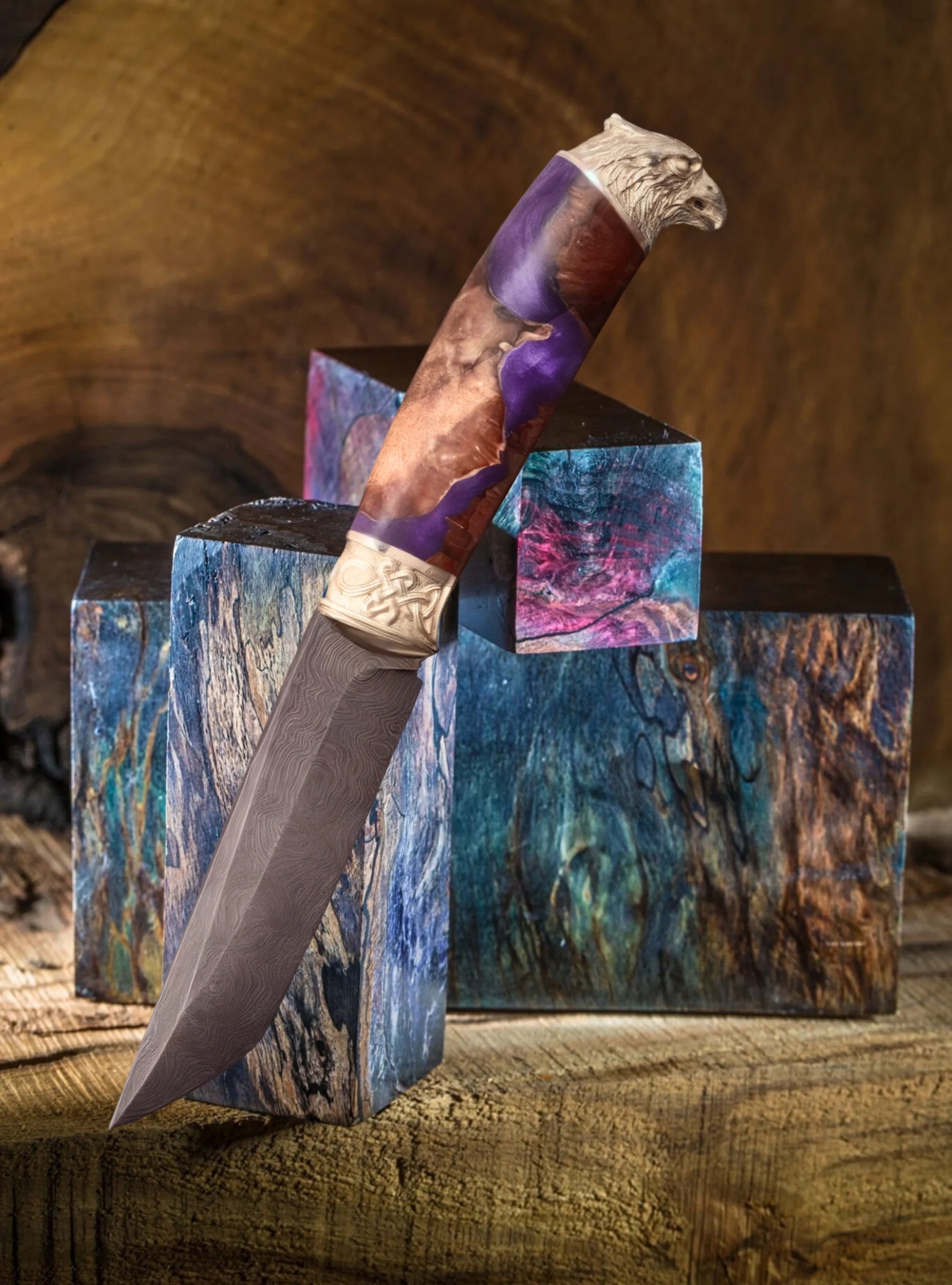
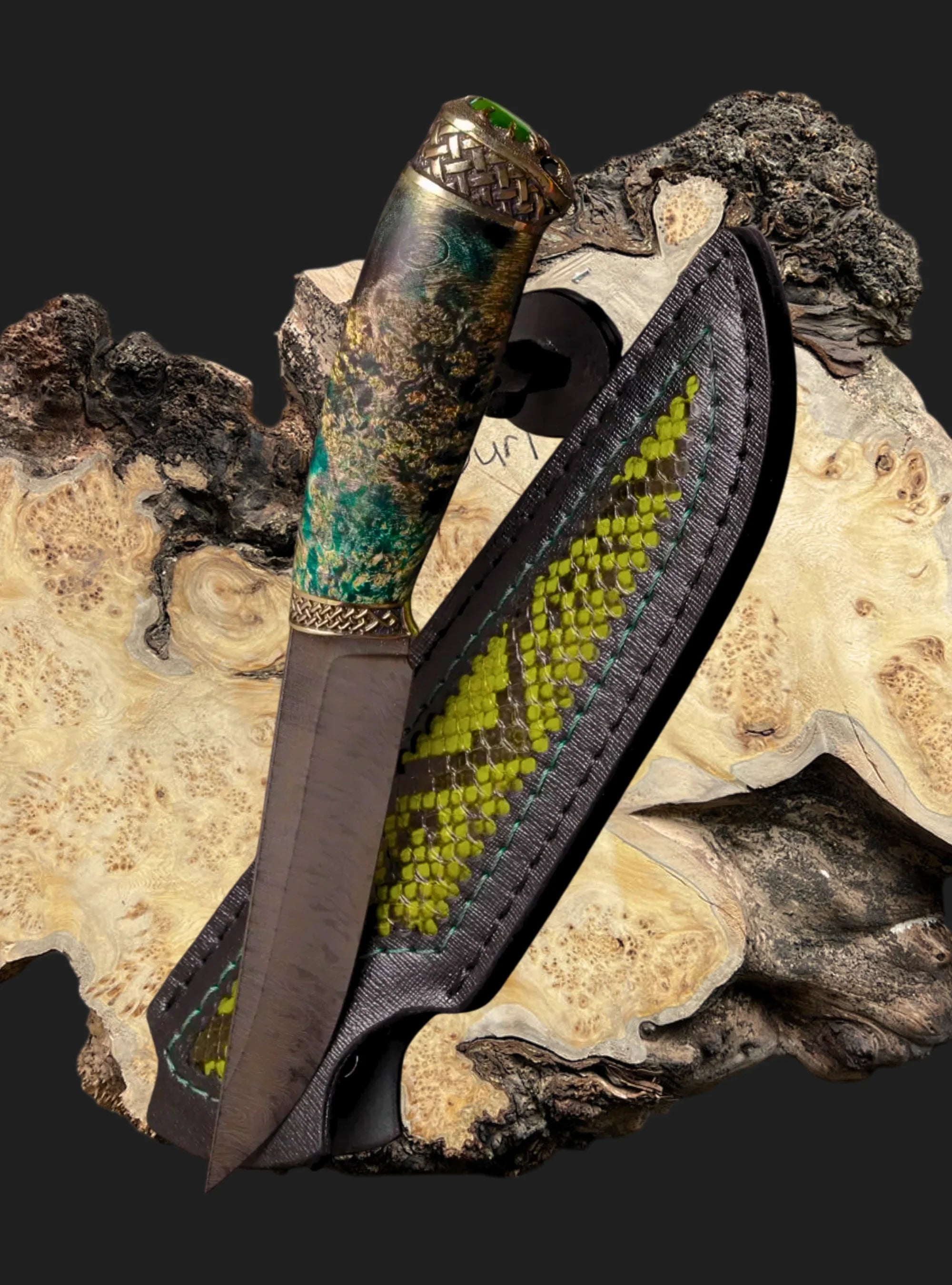
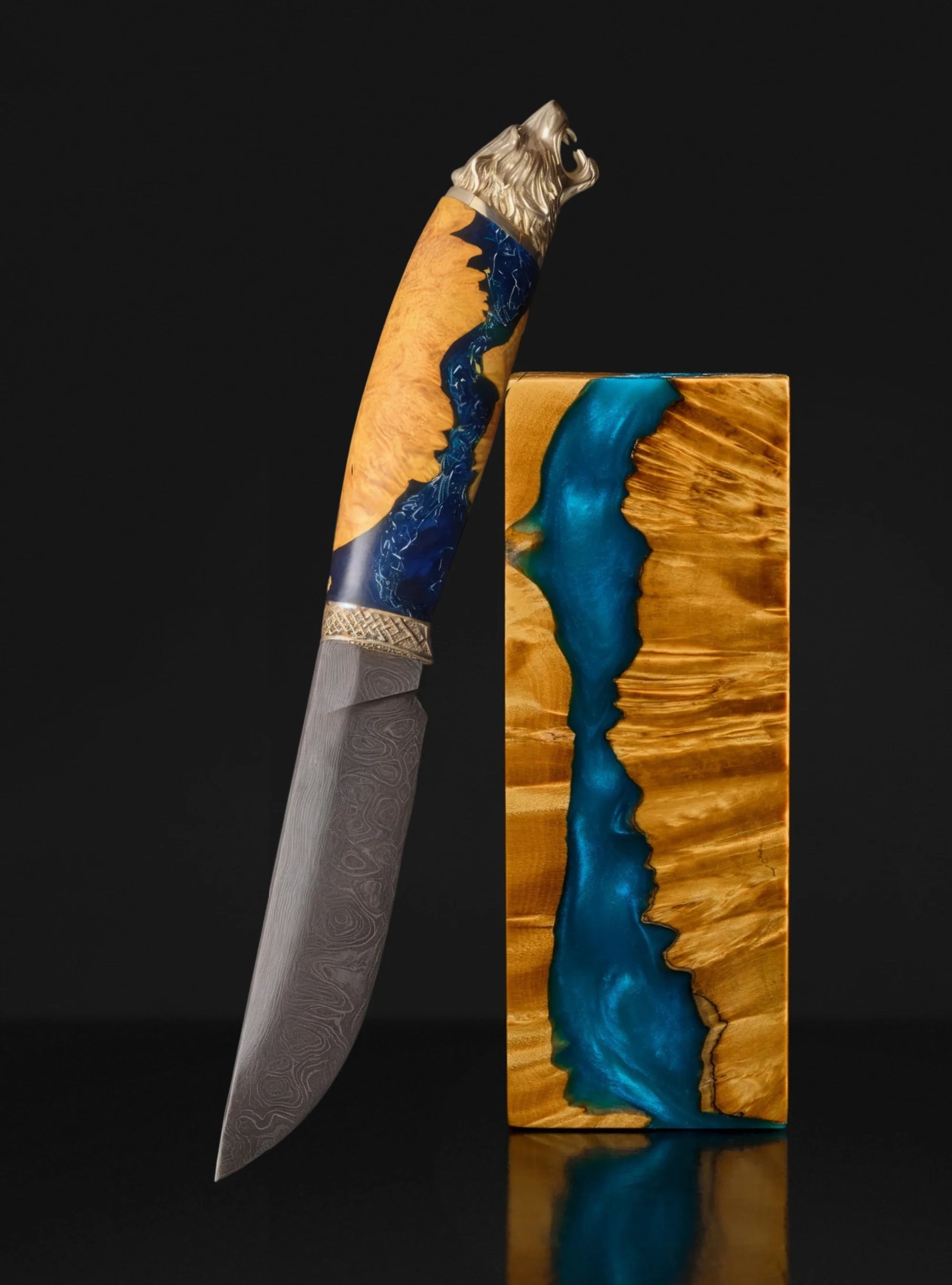
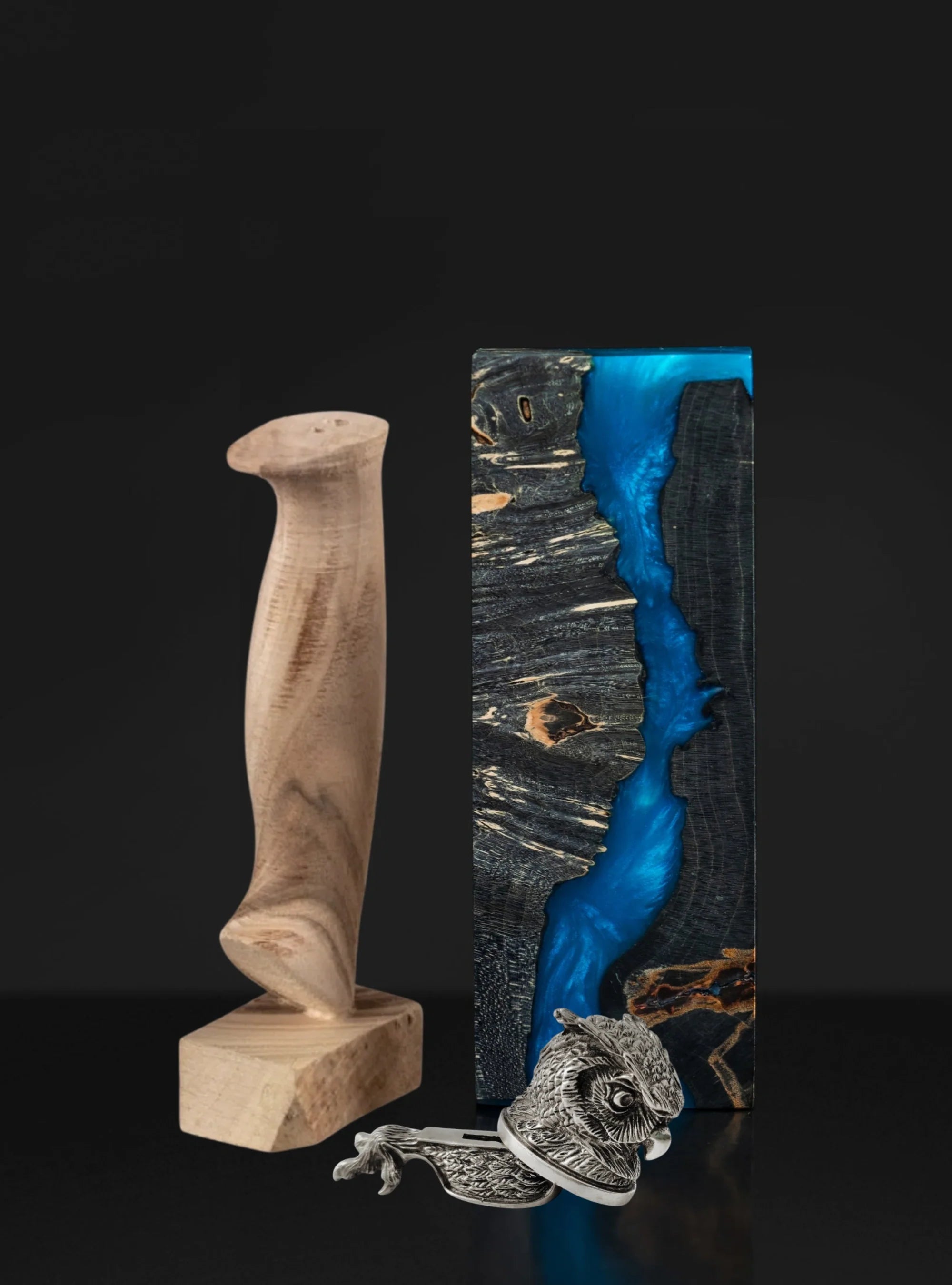
Traditional materials are still there, but they’re being combined in new ways. Wood with resin. Metal with composite layers. Surfaces that reflect light differently depending on how you look at them.

Some feel almost organic.
Others feel futuristic.
And that contrast—between natural and engineered—is becoming part of the aesthetic itself.
There’s also a clear move toward advanced and unusual materials like carbon fiber, titanium, and high-performance alloys, which create a more modern, almost futuristic visual language .
But what surprised me most is how sustainability is shaping design.
Not in an obvious, “eco” way.
More quietly.
Reclaimed materials. Ethically sourced wood. Subtle imperfections that are no longer hidden, but embraced. These choices don’t just affect how a knife looks—they change how it’s perceived.
It feels more grounded.
More honest.
And that honesty is becoming part of what people value in a collection, as sustainable and responsibly sourced materials gain importance among collectors .
There’s also a growing sense that knives are no longer just tools—or even just art pieces.
They’re becoming something in between.
Functional objects that are designed to be displayed.
Displayed objects that are still meant to be used.
That balance is shaping aesthetics in a very specific way. Designs need to hold up visually, but also feel right in the hand. That dual purpose creates a kind of tension—and that tension is what makes modern collections interesting.
Another shift I’ve noticed is how color is being used.
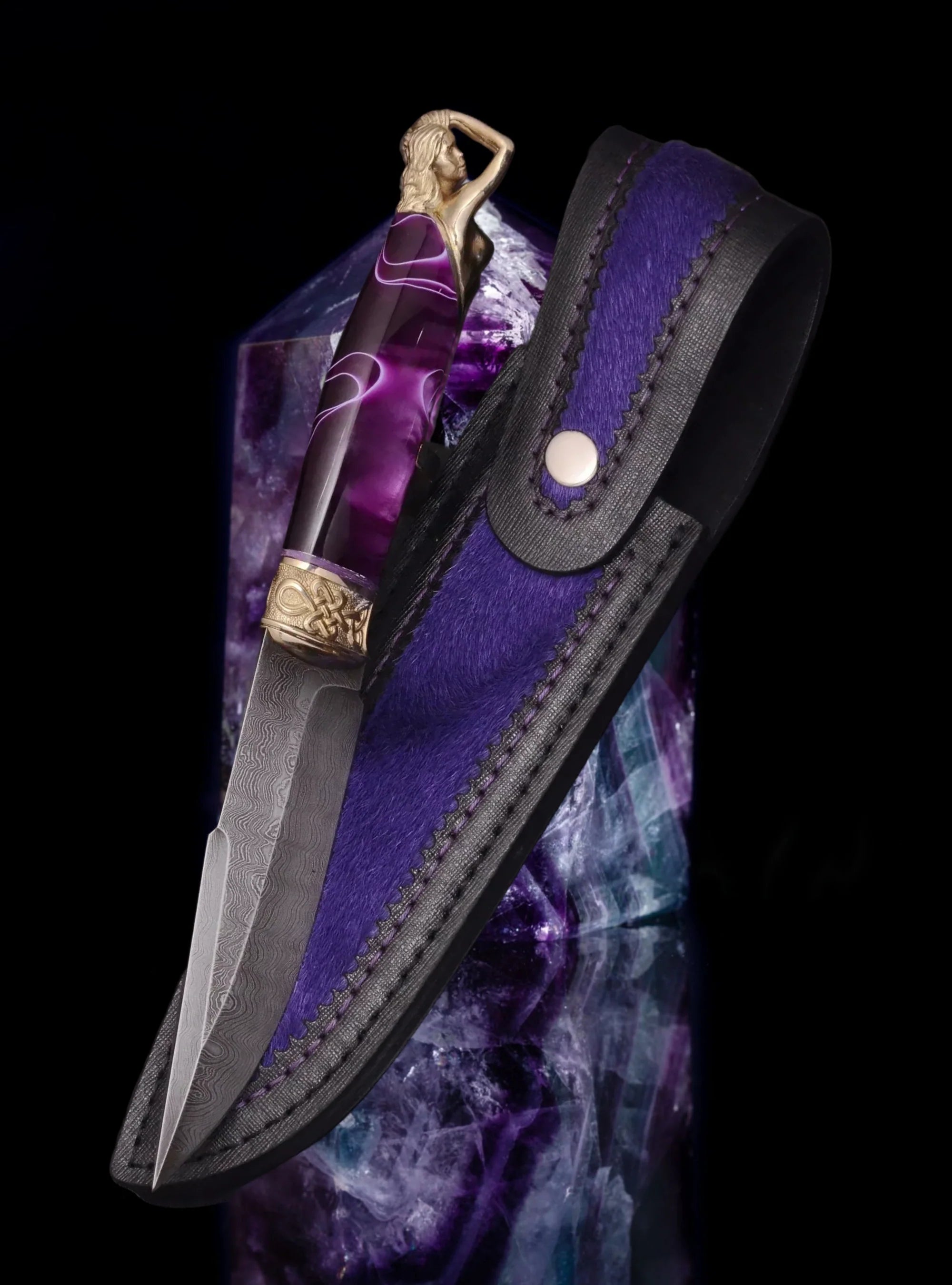
For a long time, knife collections leaned heavily into neutral tones. Steel, black, maybe some natural wood. Now, there’s a slow introduction of color—not overwhelming, but intentional.
Deep blues. Muted greens. Even iridescent finishes.
Not everywhere.
But enough to change the rhythm of a collection.
Some pieces remain quiet, while others act as accents. And that contrast creates movement in the display, instead of everything blending together.
Designers are clearly experimenting with both minimalist palettes and bold accents, sometimes within the same collection .

Then there’s the idea of rarity.
Limited editions, small-batch designs, collaborations.
At first, I thought this was just about exclusivity. But over time, I realized it changes how collections are built. You’re no longer just choosing what looks good—you’re choosing what represents a moment.
A specific maker, a specific idea, a specific time.
That adds narrative.
But it also creates pressure. Not everything rare feels meaningful. And sometimes, the most interesting collections aren’t the rarest ones—but the most coherent ones.
Still, the trend toward limited, collectible designs is shaping how people think about aesthetics and value .
What’s coming next feels even more subtle.
There’s early movement toward integrating technology—not in a way that dominates the design, but in a way that supports it. Smarter materials, coatings that change over time, surfaces that respond differently to use.
Even the idea of “smart knives” is beginning to appear, though it’s still in its early stages .
It’s not fully here yet.
But you can feel it approaching.
Looking at my own collection now, I don’t feel the need to replace everything.
But I do feel the shift.
I notice which pieces still feel relevant, and which ones feel slightly disconnected from where design is heading. Not worse—just from a different moment.
And that awareness changes how I choose new pieces.
Less about immediate impact.
More about long-term presence.
So if you’re thinking about the future of knife aesthetics for your home collection, I wouldn’t focus on what’s trending in the obvious sense.
I’d look for alignment.
Pieces that feel intentional, not excessive. Materials that carry meaning, not just appearance. Designs that balance simplicity with subtle individuality.
Because the future isn’t about louder collections.
It’s about more thoughtful ones.
And the collections that will age well aren’t the ones that try to impress.
They’re the ones that feel quietly complete—even as everything around them changes.
Share:
Visual Storytelling Through Design of Luxury Knives Collection
Artisan vs Factory Production of Luxury Collectible Knives