

I didn’t plan to compare them.
At first, I just wanted to build a collection that felt complete—pieces that looked right together, that carried some kind of quiet consistency. But over time, I started noticing a difference I couldn’t ignore.
Some knives felt… resolved.
Others felt finished.
And that distinction stayed with me longer than I expected.
The first time I held an artisan-made knife, I didn’t immediately understand what made it different.
It wasn’t louder. It didn’t try to impress. In fact, at a glance, it could almost seem simpler than some factory-made pieces. But the longer I held it, the more I noticed something subtle.
It didn’t feel repeated.
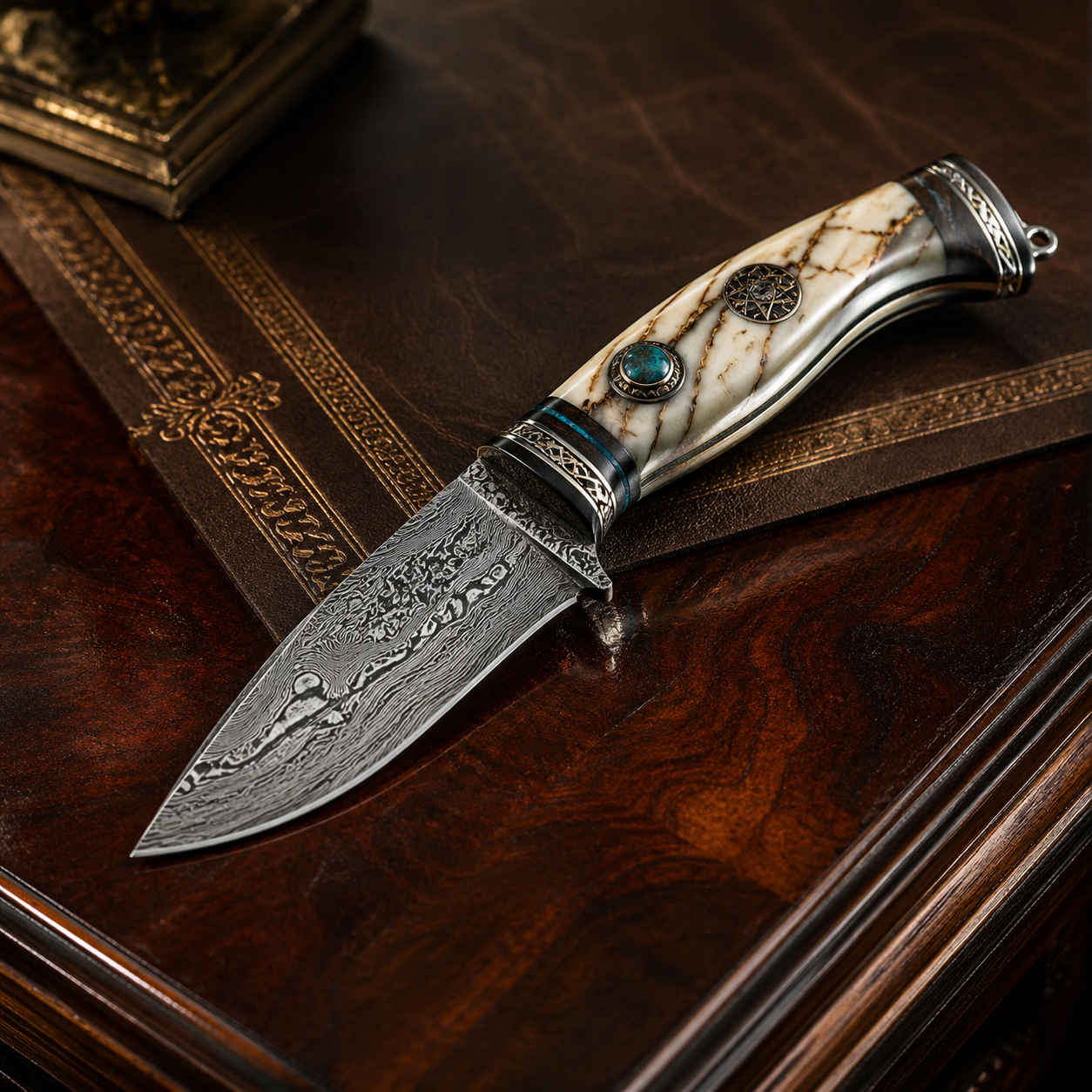
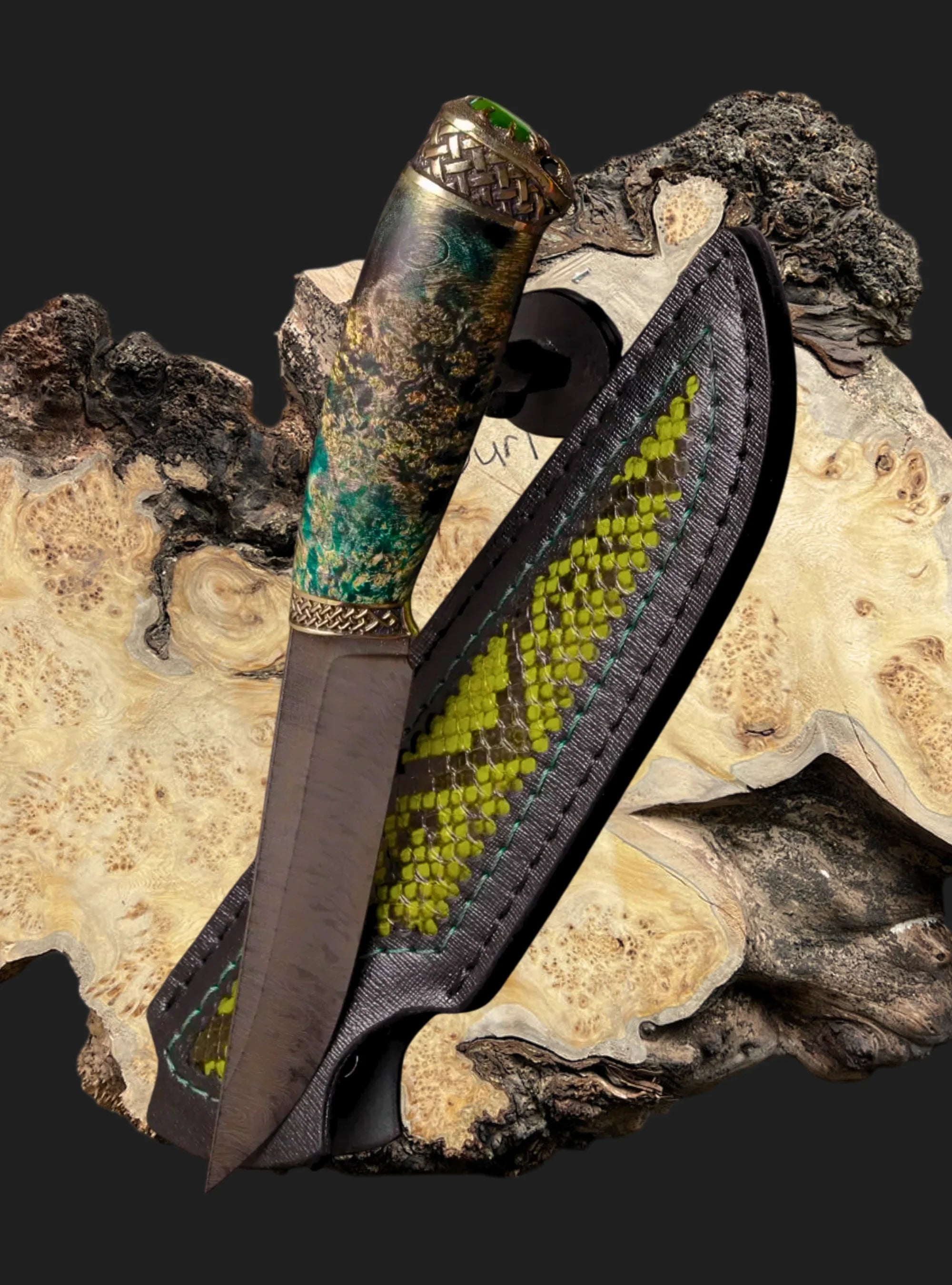
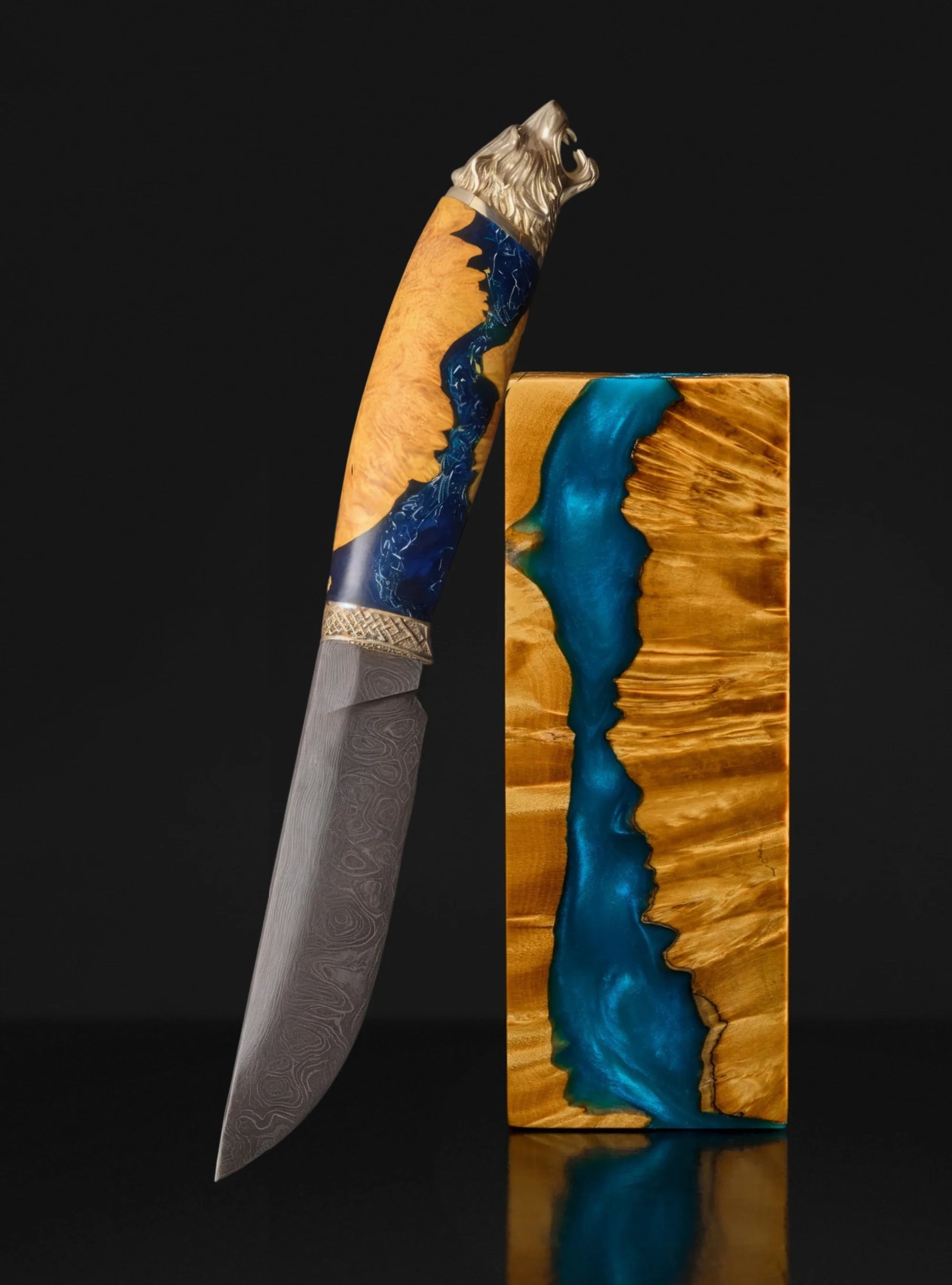
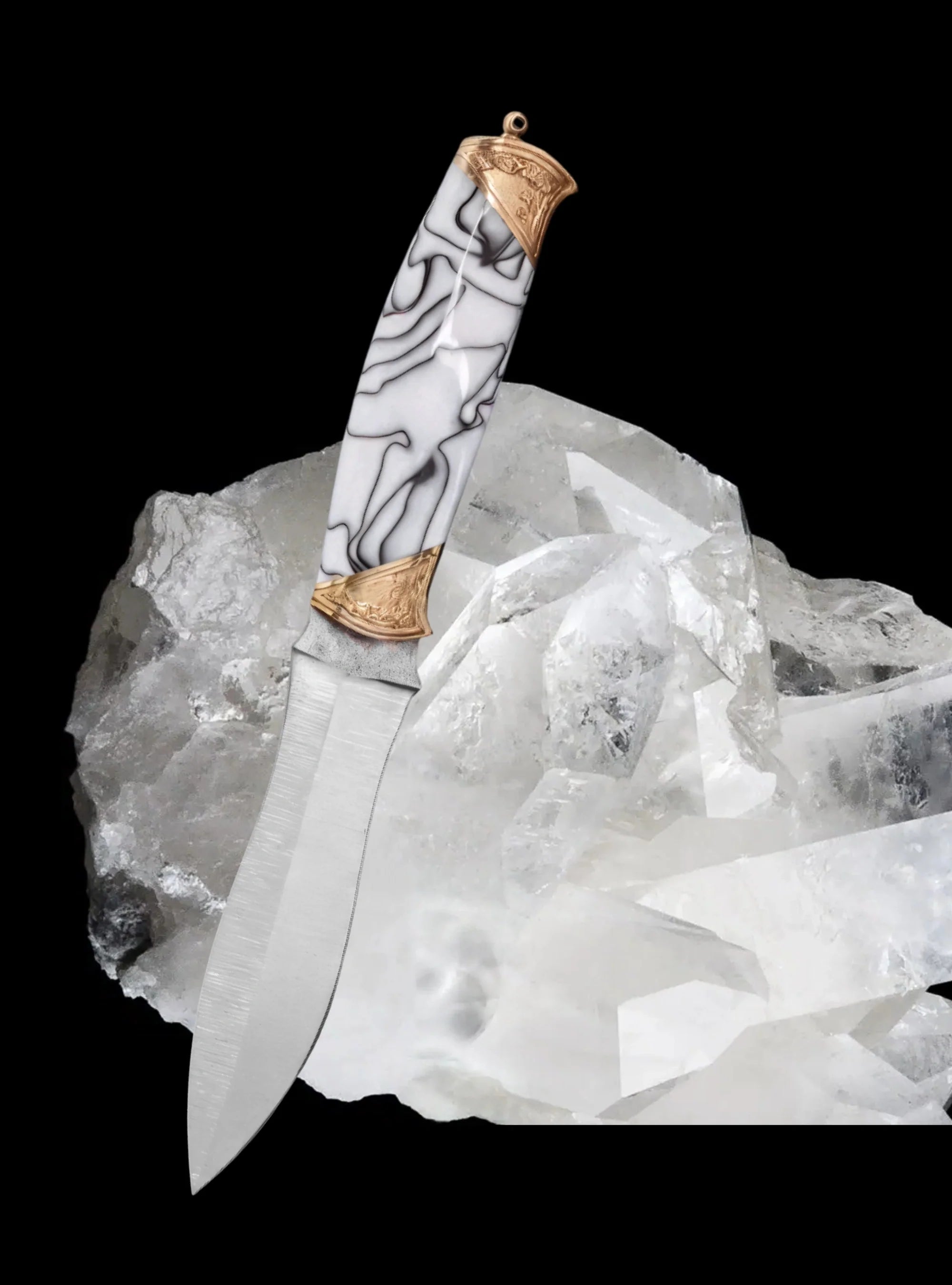
There was a slight unpredictability in the details—not flaws, but variations. The handle had a softness in its shaping that didn’t feel perfectly mirrored from one side to the other. The finish carried tiny differences that caught the light unevenly.
At first, I thought that meant inconsistency.
But it didn’t feel inconsistent.
It felt… alive.
Factory-made knives gave me a different kind of experience.
The first thing you notice is precision. Everything aligns perfectly. Edges are clean, surfaces uniform, proportions repeatable. There’s a sense of control in that consistency—nothing unexpected, nothing out of place.
And there’s something reassuring about that.
You know exactly what you’re getting.
Every piece reflects the same standard, the same process, the same intention—executed again and again without deviation.
For a while, I leaned toward that predictability.
It felt safe. Logical. If something works well, repeating it makes sense. And in many ways, factory production achieves a level of precision that’s hard to replicate by hand.

But over time, I started noticing what was missing.
Not in function.
In character.
Artisan knives began to stand out more the longer I lived with them.
Not because they were dramatically different, but because they revealed themselves slowly. The more I handled them, the more I noticed small decisions—the way a line curved slightly differently, the way the balance shifted almost imperceptibly depending on how I held it.
These weren’t things you could measure easily.
They were things you felt.
There’s also a difference in how materials are treated.
In factory production, materials are often standardized. Selected for consistency, processed to meet specific expectations. The result is reliable, but also somewhat controlled.
With artisan work, materials seem to retain more of their natural variation.
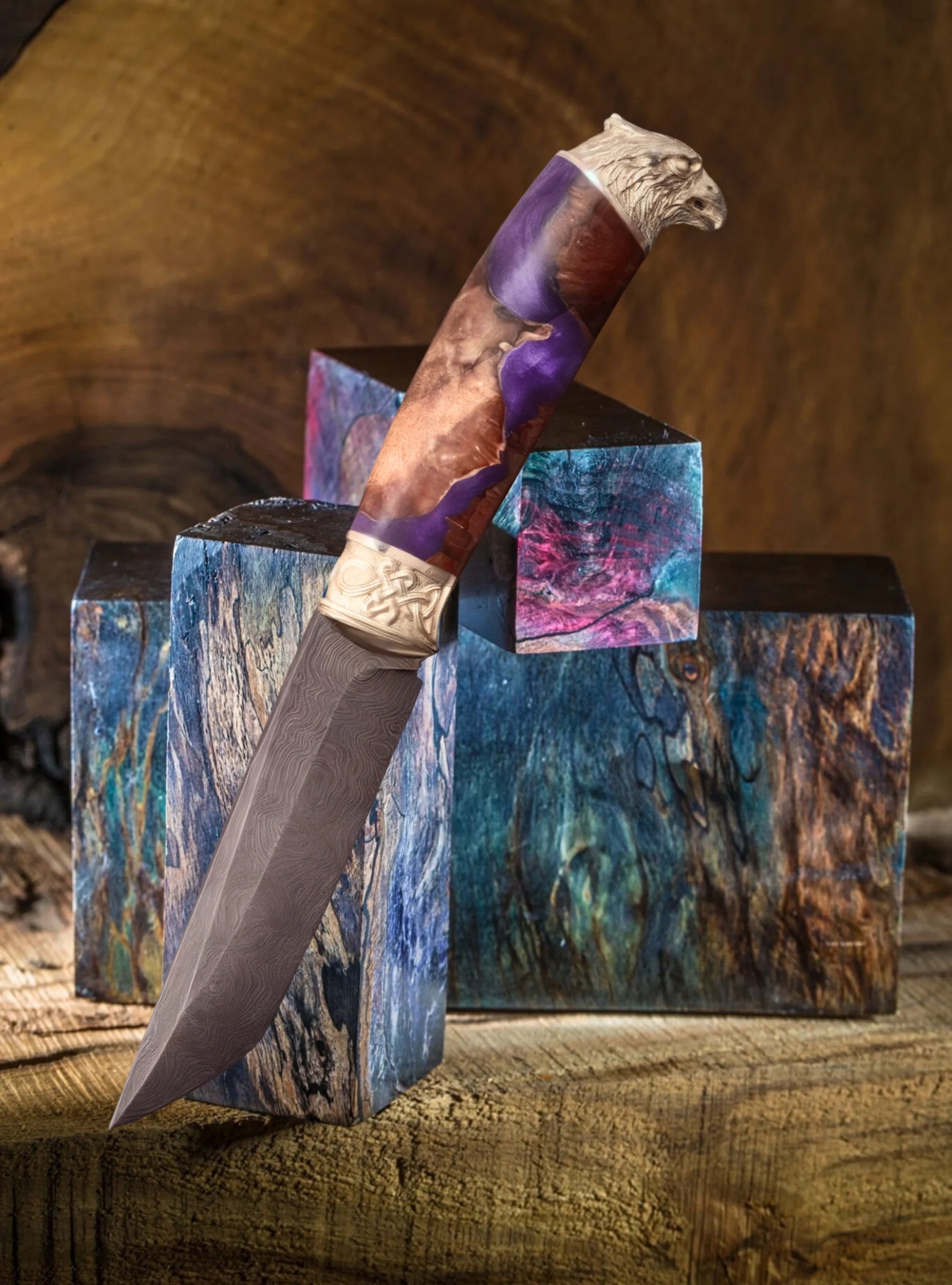
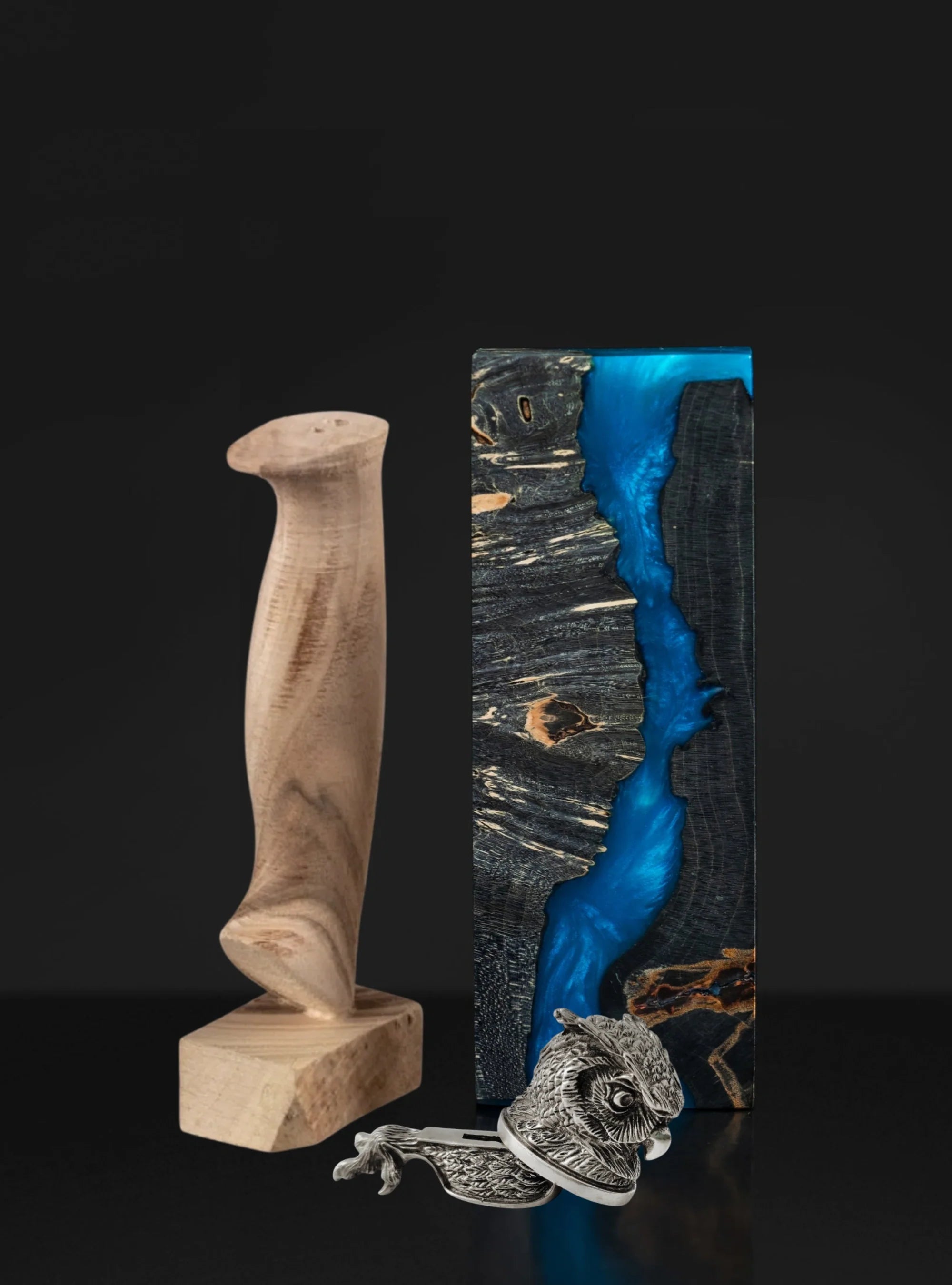
Wood that doesn’t look identical from piece to piece. Subtle irregularities in pattern, in texture, in how surfaces interact with light. These variations aren’t corrected—they’re incorporated.
That changes the relationship between the object and the material.
It feels less imposed.
More collaborative.
I also started thinking about time differently.
Factory production compresses it. Multiple steps happening simultaneously, processes optimized for efficiency. The result is something complete, but detached from the sense of how long it took to become that way.
Artisan work carries time differently.
You can’t always see it directly, but you feel it in the pacing of the object. In the way details seem considered rather than executed. There’s a sense that the knife wasn’t just made—it was developed.
That doesn’t make it better by default.
But it makes it different.
Of course, not everything about artisan knives is ideal.
I’ve encountered pieces that felt slightly unbalanced. Edges that required more attention. Finishes that weren’t as durable over time. These imperfections are part of the process, but they don’t disappear just because the work is handmade.
And sometimes, those imperfections matter.
Especially if you’re expecting consistency.
Factory knives, on the other hand, rarely surprise you in that way.
They perform as expected. They maintain their structure, their balance, their finish. That reliability has its own kind of appeal—especially if you value predictability over variation.
There’s a clarity to it.
A sense that nothing is left to chance.
What changed for me is how I see these two approaches now.
Not as opposites.
But as different philosophies.
Factory production focuses on control—refining a process until it produces the same result every time. Artisan work focuses on interpretation—allowing each piece to respond slightly differently, even within a shared idea.
One prioritizes consistency.
The other prioritizes individuality.
In my own collection, I stopped trying to choose between them.
Instead, I started paying attention to how they interact.
Factory pieces create a kind of foundation. They bring structure, clarity, a sense of cohesion. Artisan pieces introduce variation, subtle tension, moments that break that uniformity.
Together, they create balance.
Not visual balance exactly.
But conceptual balance.
If you’re starting a collection, it’s easy to assume you have to choose one path.
Precision or individuality. Consistency or character.
But in practice, it’s more nuanced than that.
You might find yourself drawn to the reliability of factory-made knives at first, then gradually noticing the depth of artisan work. Or the opposite—starting with handcrafted pieces and later appreciating the refinement of controlled production.

There’s no fixed direction.
Only preference, evolving over time.
So which is better?
I don’t think that’s the right question anymore.
The better question is what you value.
Do you want something that feels exact, repeatable, defined? Or something that carries small variations, subtle differences, a sense of being shaped rather than produced?
Both have their place.
Both can feel complete in their own way.
What I’ve learned is that the most interesting collections aren’t built from one approach alone.
They’re built from contrast.
From the quiet conversation between precision and variation, between control and expression. And somewhere in that space, something more complex begins to form.
Something that feels less like a set of objects.
And more like a perspective.
Share:
Future Trends in Knife Aesthetics for Your Home Collection
Design Traps to Avoid When Choosing a Premium Knife