


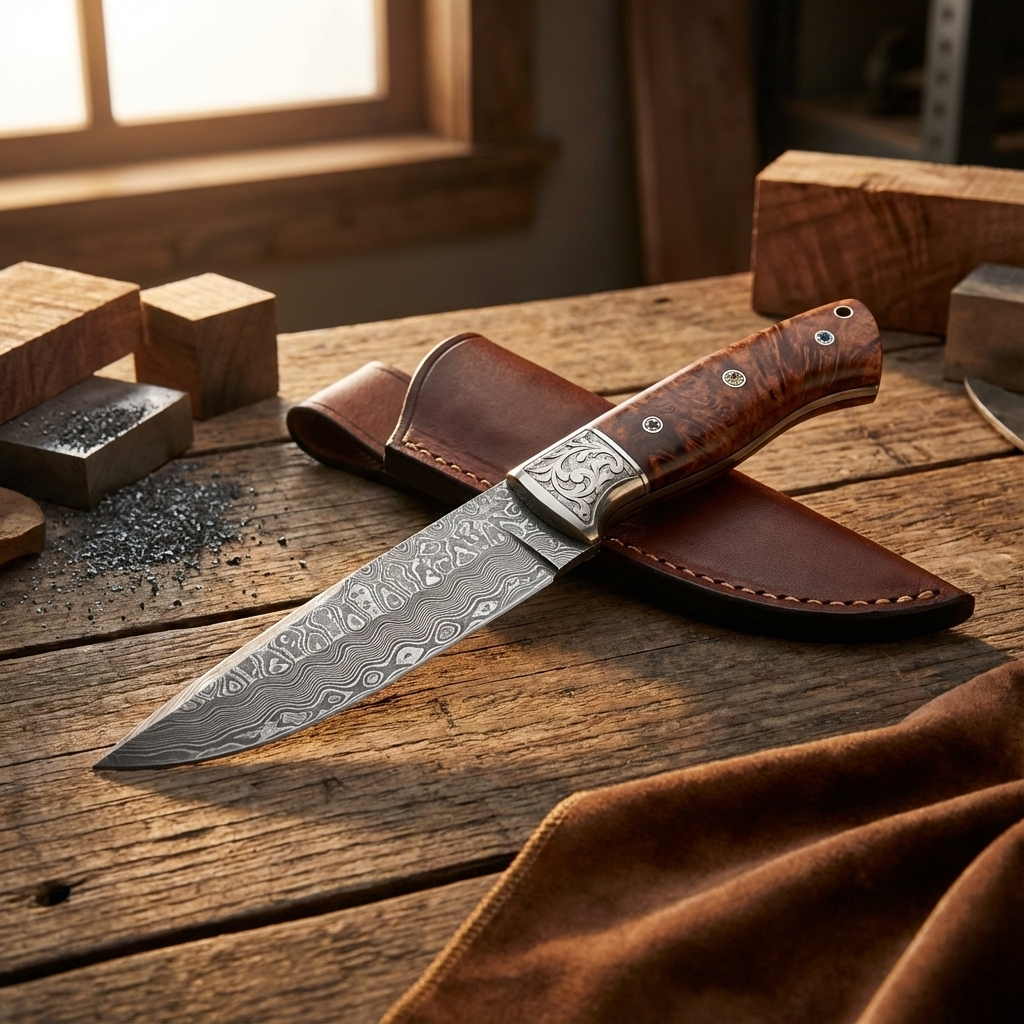
A luxury handmade knife is far more than a cutting tool—it’s the result of patience, expertise, and artistic vision. Each knife passes through a meticulous process where craftsmanship, materials, and design come together to create a functional object of lasting beauty. Understanding these stages reveals why handmade knives are valued as both tools and collectible works of art.
Here’s a step-by-step look inside the creation of a luxury handmade knife.
The Stages of Creating a Luxury Handmade Knife: A Step-by-Step Guide
1. Concept and Design Planning
Every luxury knife begins with a clear vision.
At this stage, the maker defines:
-
Knife type and intended use
-
Blade shape and proportions
-
Handle design and ergonomics
-
Material combinations
-
Overall aesthetic balance
Thoughtful planning ensures harmony between form and function from the start.

2. Selecting Premium Materials
Material quality sets the foundation.
Luxury knife materials often include:
-
High-performance blade steels
-
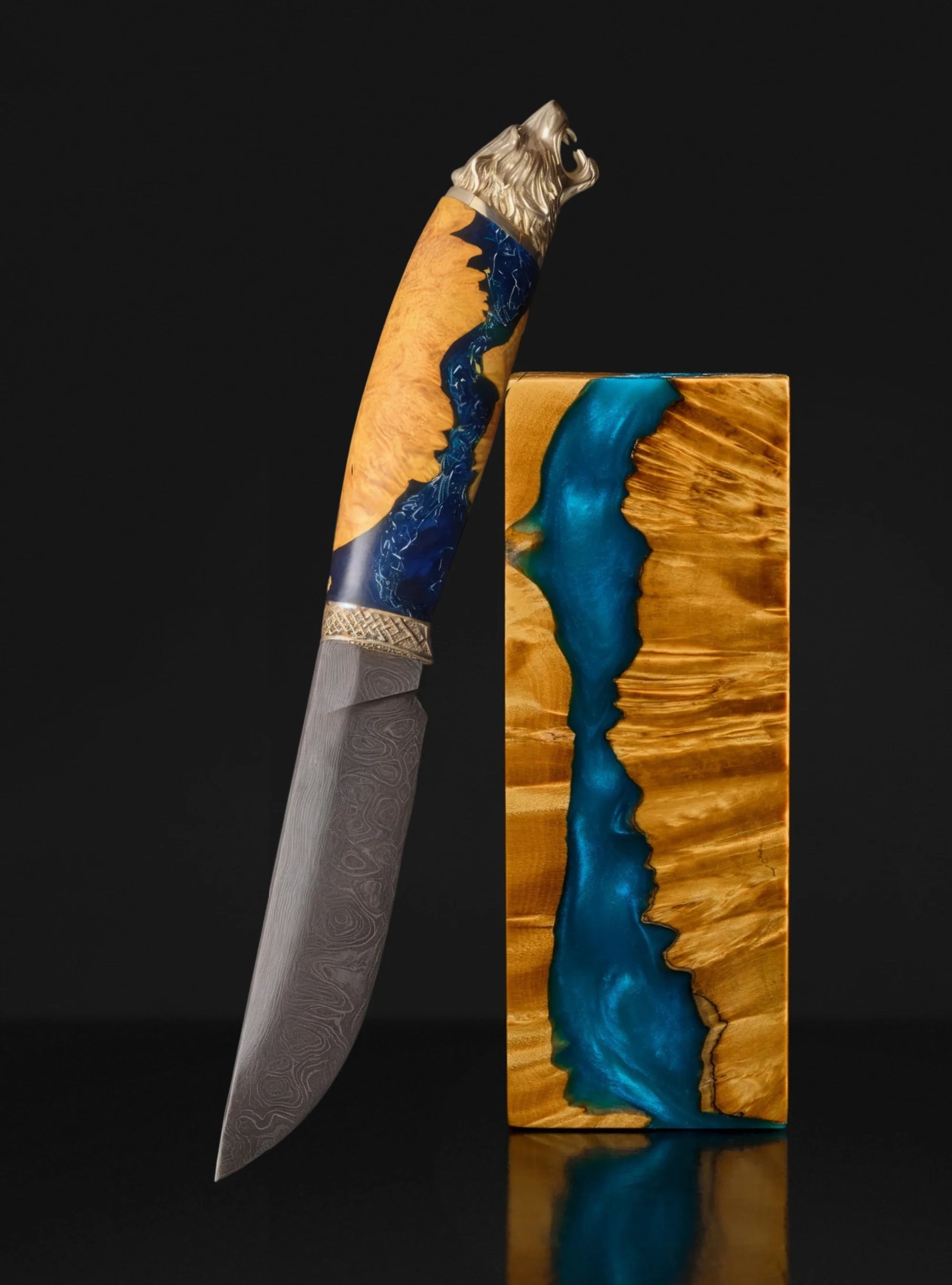
Exotic or stabilized woods
-
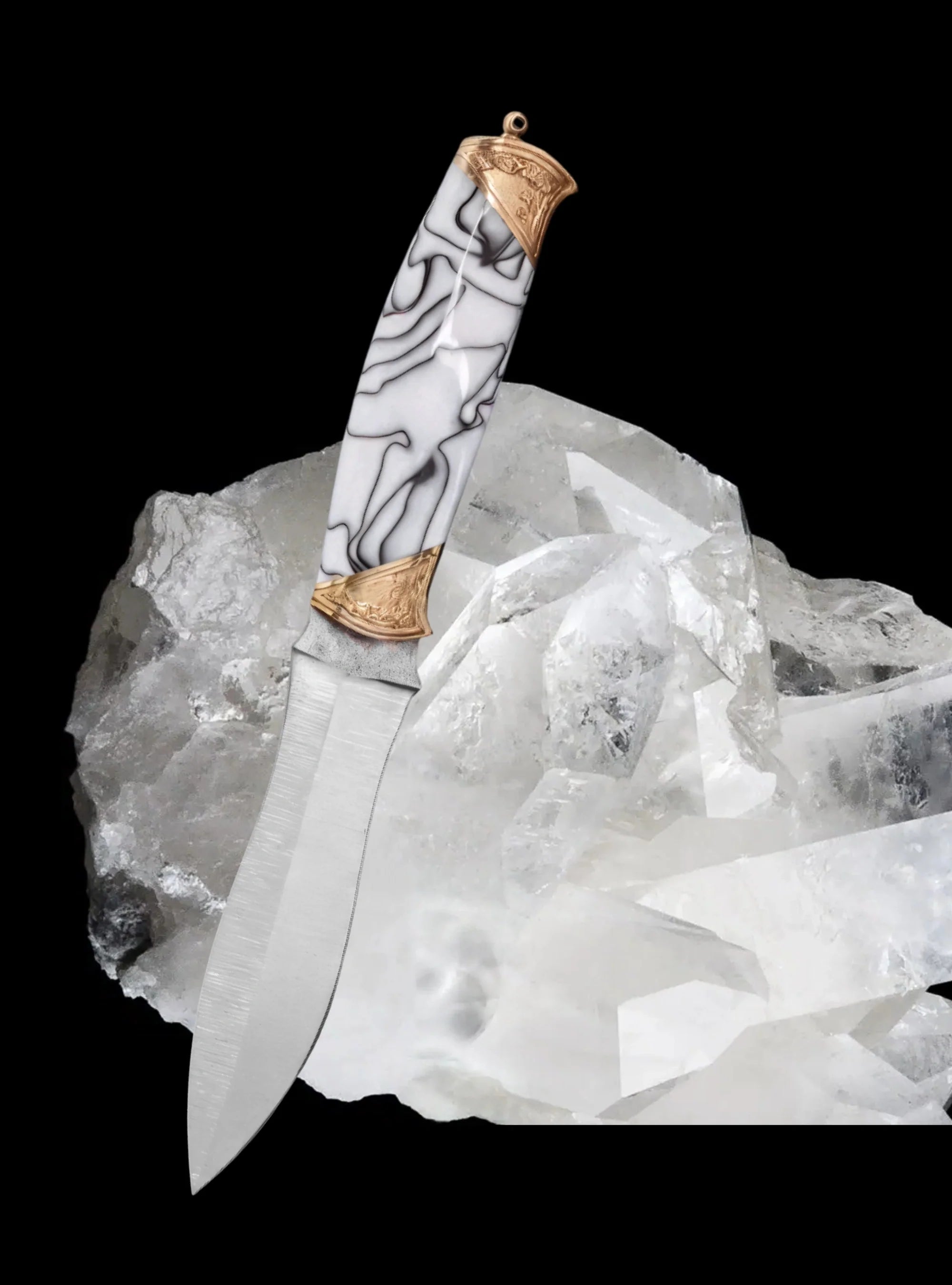
Natural horn, bone, or rare composites
-
Brass, bronze, or stainless fittings
Each material is chosen for durability, beauty, and tactile experience.
3. Forging or Stock Removal
The blade is shaped using one of two primary methods:
-
Forging: Heating and hammering steel to shape
-
Stock removal: Precision cutting and grinding from a steel billet
Both methods require skill, accuracy, and deep material knowledge.
4. Heat Treatment and Hardening
Heat treatment determines blade performance.
This critical step:
-
Hardens the steel
-
Improves edge retention
-
Enhances strength and resilience
Precise temperature control ensures durability without brittleness.

5. Grinding and Refining the Blade
After hardening, the blade is carefully ground to its final profile.
This stage includes:
-
Establishing bevels
-
Refining edge geometry
-
Creating balance and symmetry
Small adjustments here dramatically affect cutting performance.
6. Crafting the Handle
The handle transforms the knife into a luxury object.
Artisans:
-
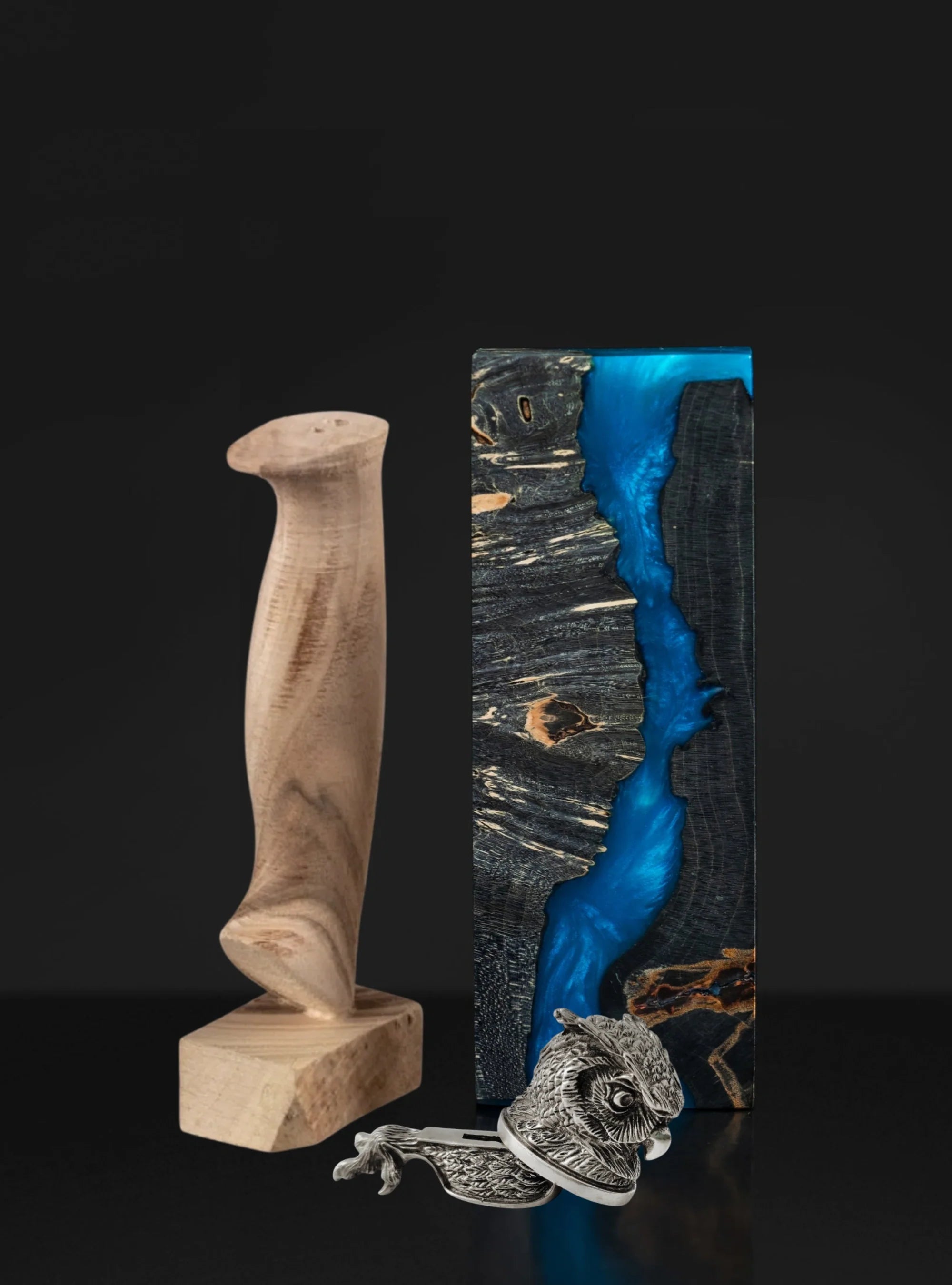
Shape handle materials by hand
-
Fit scales precisely to the tang
-
Ensure comfort, grip, and balance
-
Integrate decorative elements if desired
The handle must feel natural, secure, and refined.

7. Assembly and Fitting
Blade and handle are joined with precision.
This step involves:
-
Aligning components flawlessly
-
Securing with pins or adhesives
-
Eliminating gaps or misalignment
Luxury knives show seamless transitions between materials.

8. Hand Finishing and Polishing
Finishing defines the knife’s final character.
Processes may include:
-
Hand sanding
-
Polishing or satin finishing
-
Detailing metal components
-
Surface protection treatments
This stage reveals craftsmanship and attention to detail.
9. Sharpening and Performance Testing
A luxury knife must perform as beautifully as it looks.
Artisans:
-
Sharpen edges by hand
-
Test cutting performance
-
Adjust balance and grip
Only knives meeting high standards move forward.
10. Final Inspection and Presentation
Before completion, the knife undergoes final review.
This includes:
-
Visual inspection
-
Functional testing
-
Cleaning and packaging
Luxury knives are often presented in custom boxes or cases.
Why This Process Defines Luxury?
Each stage reflects:
-
Time investment
-
Human skill
-
Precision and patience
-
Respect for materials
These qualities separate handmade luxury knives from mass-produced tools.
Final Thoughts
Creating a luxury handmade knife is a journey of craftsmanship—from design to final polish. Each step adds value, character, and meaning, resulting in a knife that transcends utility and becomes a lasting expression of artistry.
Share:
Knife Stands for Handmade Knives: Why They Matter and How to Choose the Right One?
Essential Care Tips for Luxury Handle Collectible Knives