



Luxury collectible knives are more than functional tools. They are art objects, investment pieces, and reflections of craftsmanship at its highest level. However, even experienced collectors can unknowingly make mistakes that reduce a knife’s aesthetic value, longevity, or collectibility.
Understanding these mistakes is essential if you want your handcrafted knife to remain timeless, pristine, and valuable for decades.
Below, we break down the most common collector mistakes — and how true connoisseurs avoid them.
Common Mistakes Collectors Make with Exclusive Luxury Knives
1. Treating a Luxury Knife Like a Regular Tool
One of the most frequent mistakes is using a luxury handmade knife as if it were a mass-produced kitchen or utility knife.
Exclusive knives are often crafted with:
-
Hand-forged or mirror-polished blades
-
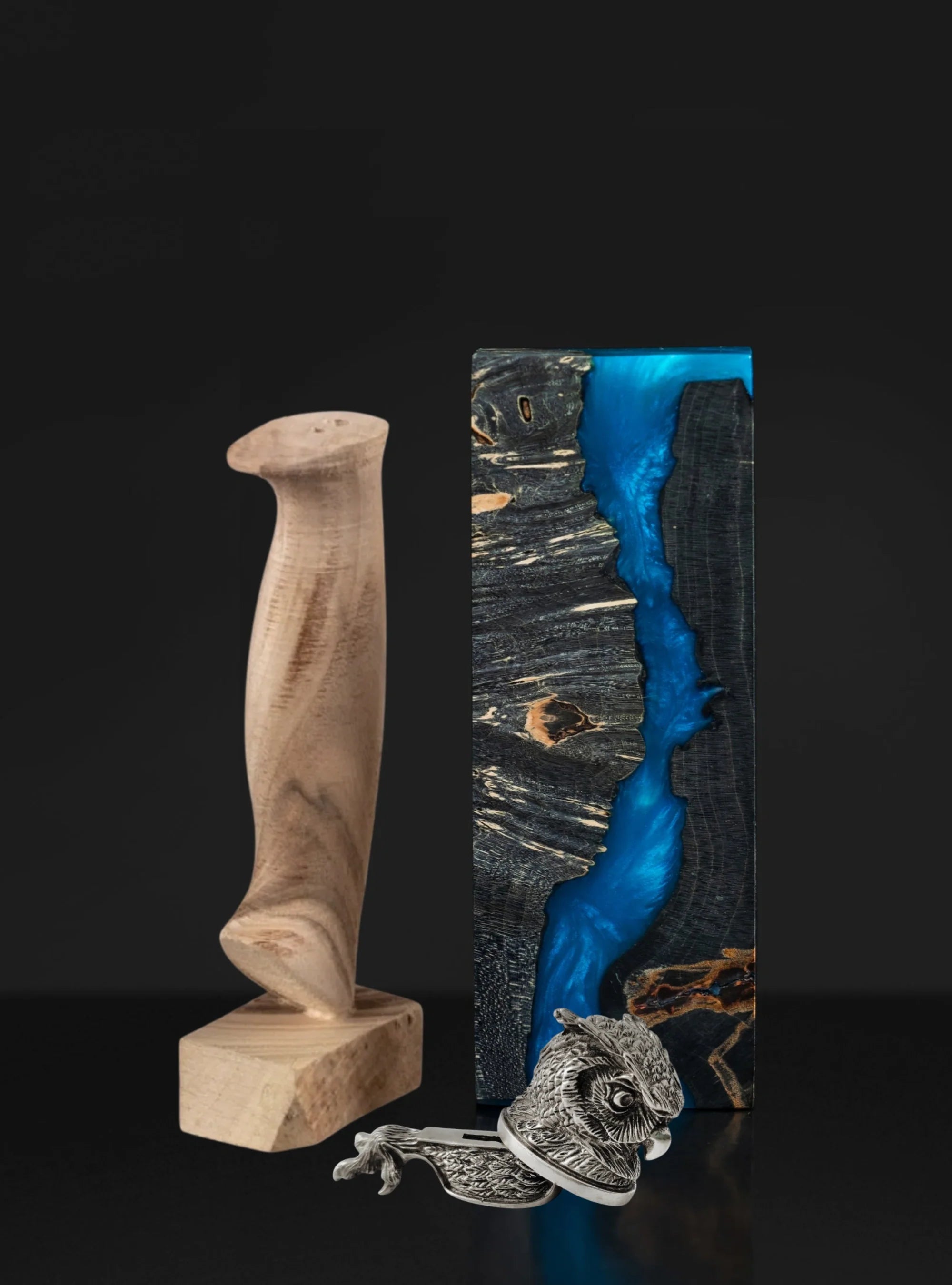
Natural handle materials such as wood, horn, or bone
-
Finishes designed for aesthetics, not heavy daily wear
While many collectible knives can function, frequent practical use leads to micro-scratches, edge wear, and handle degradation.
Expert tip:
If a knife is designed as a collectible or art piece, preserve it primarily as such. If you need a daily tool, keep a separate knife for practical tasks.

2. Improper Storage and Display
Storing a luxury knife incorrectly is one of the fastest ways to damage it.
Common mistakes include:
-
Laying the knife flat on hard surfaces
-
Storing it loosely in drawers
-
Allowing the blade to touch metal or abrasive materials
This often results in scratched blades, dulled edges, or damaged handles.
Best practice:
Display or store collectible knives using:
-
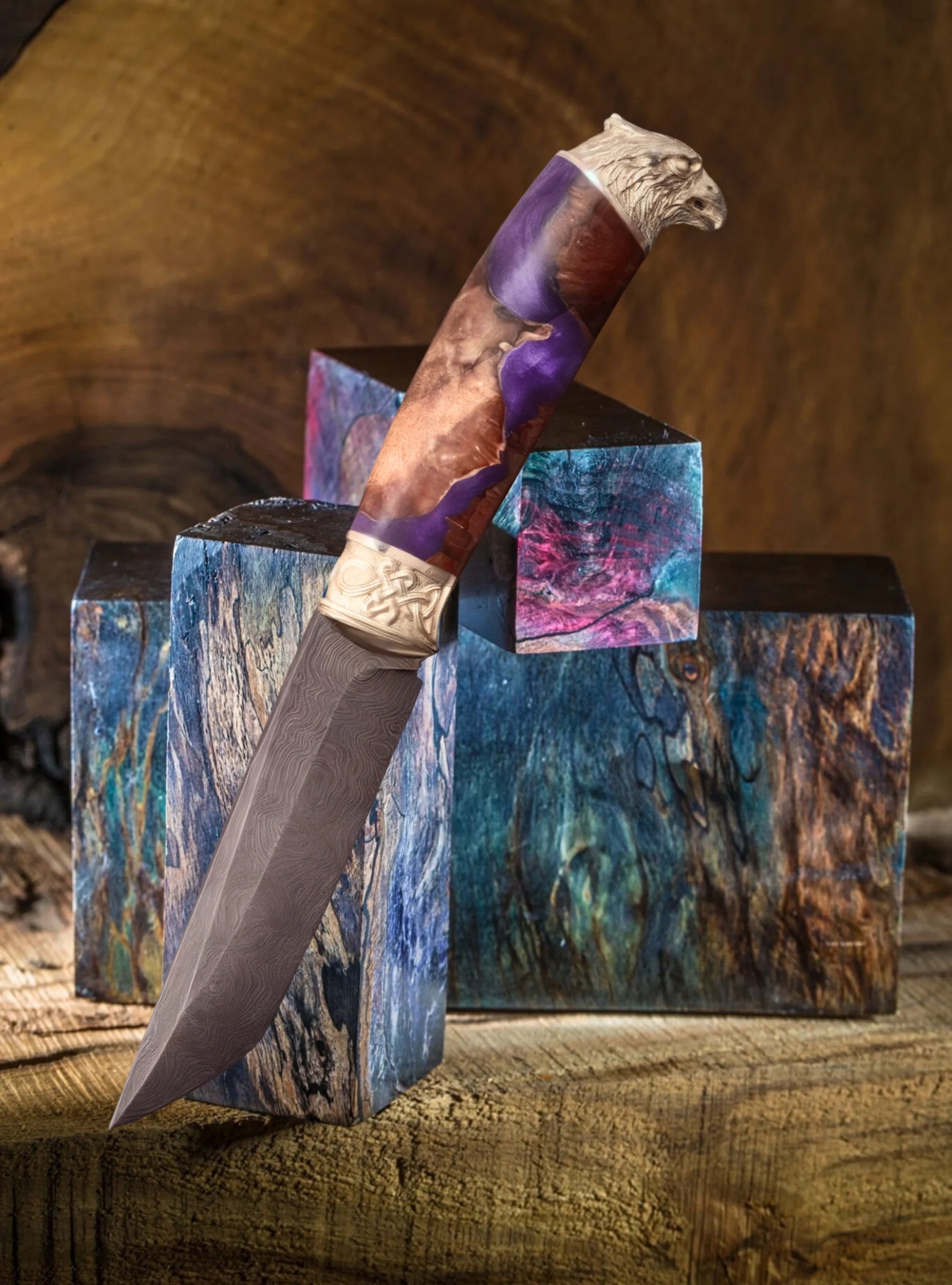
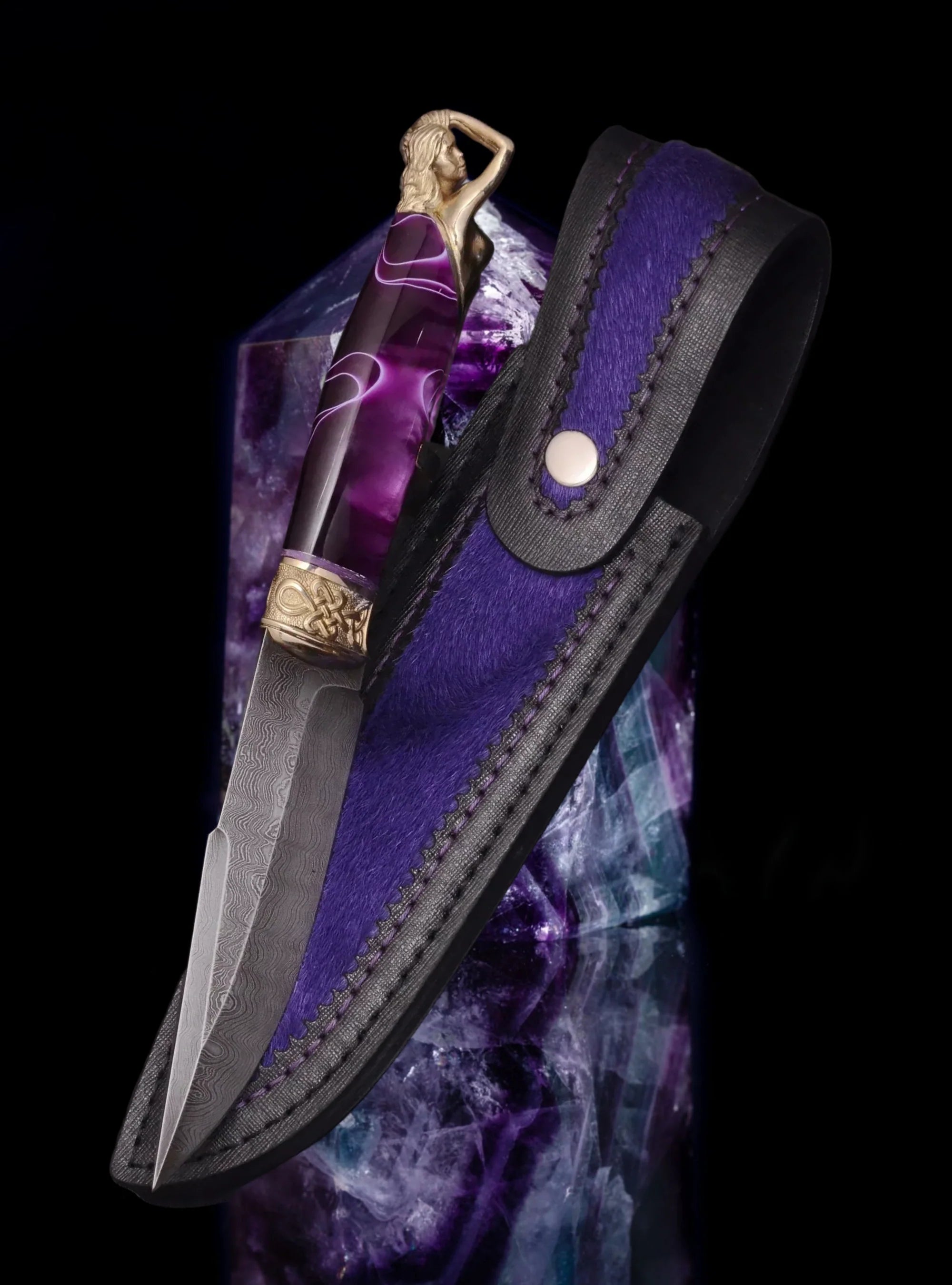
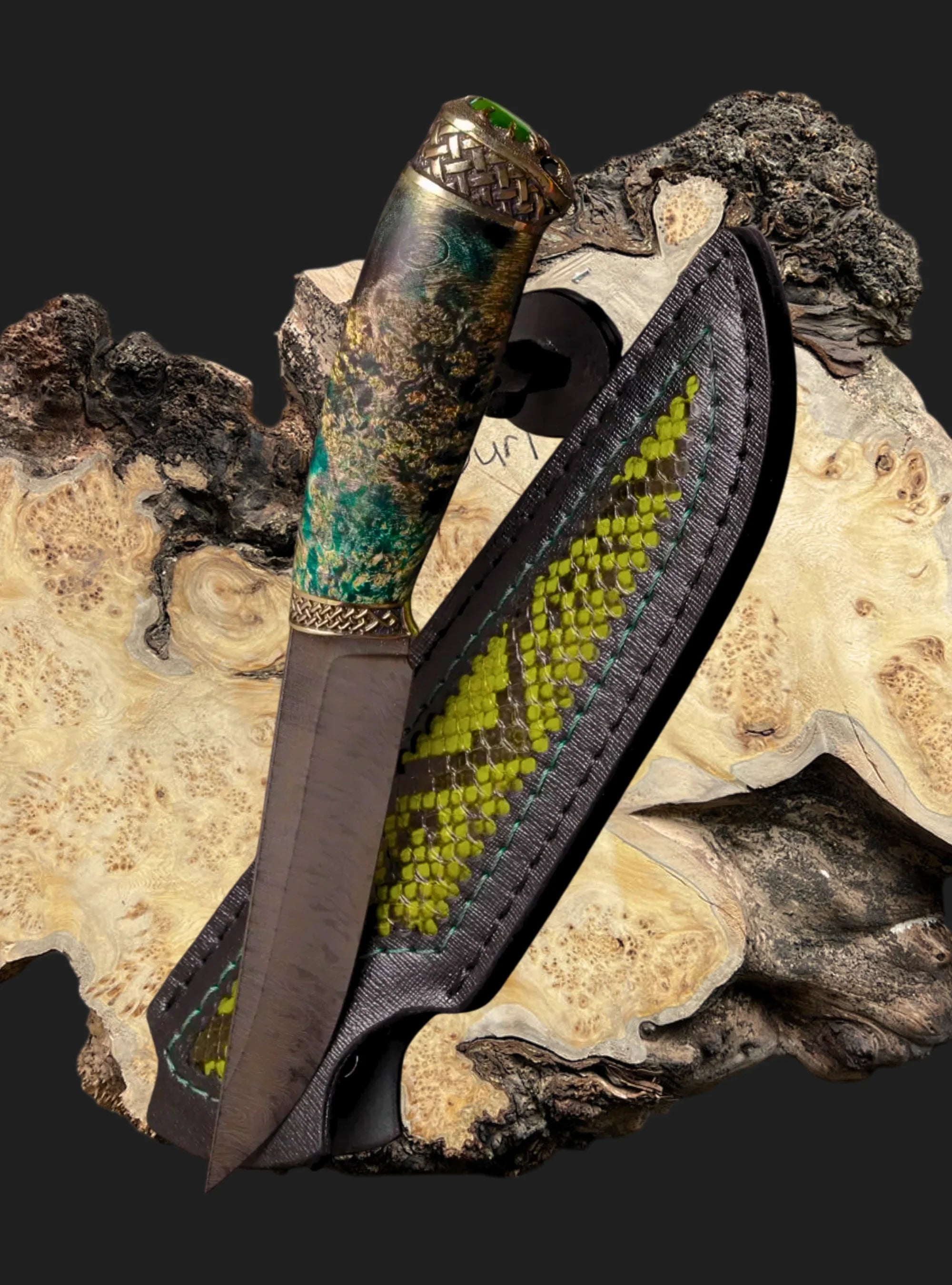
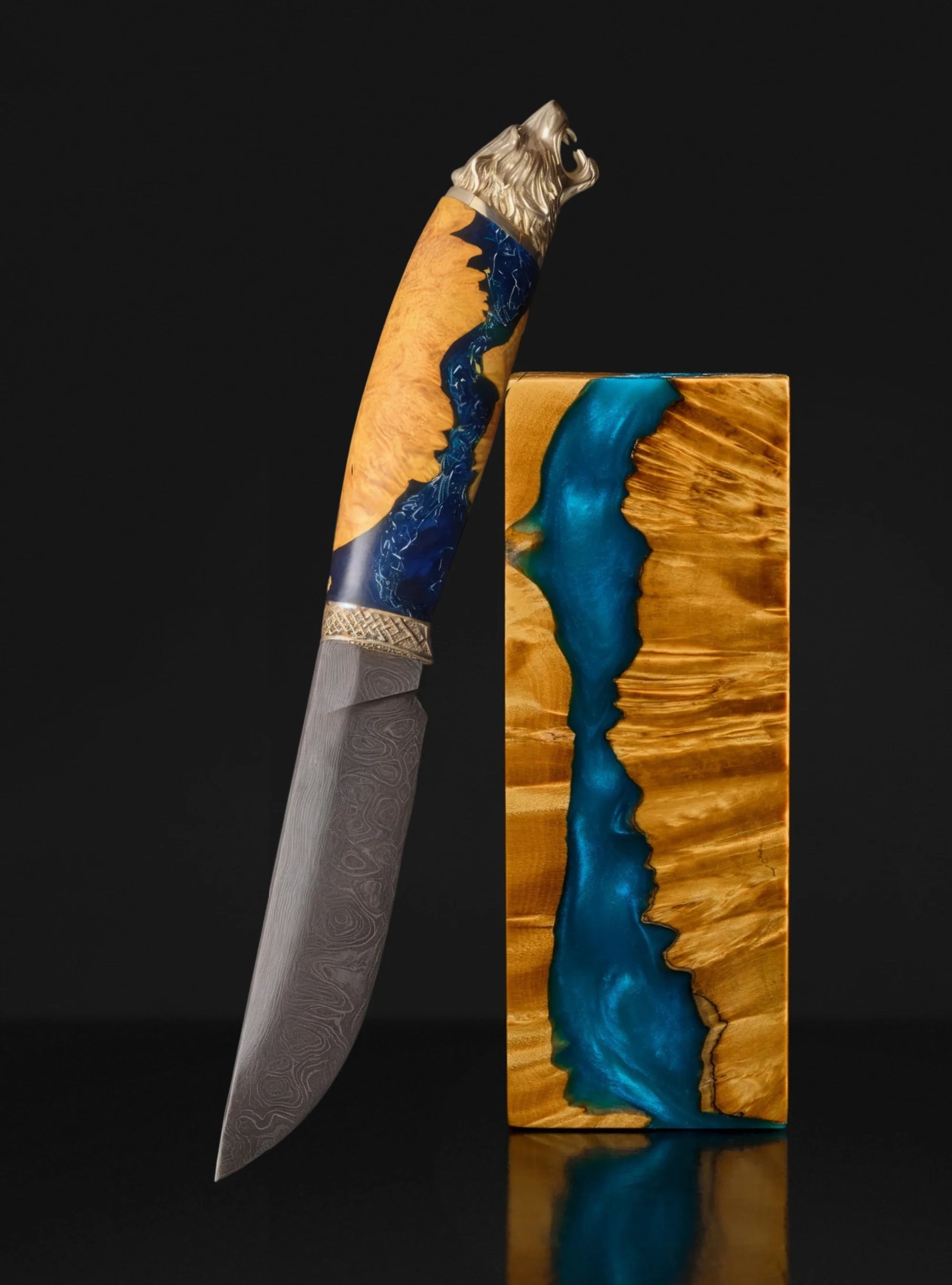
Handcrafted knife stands
-
Felt-lined or wood display cases
-
Climate-controlled environments
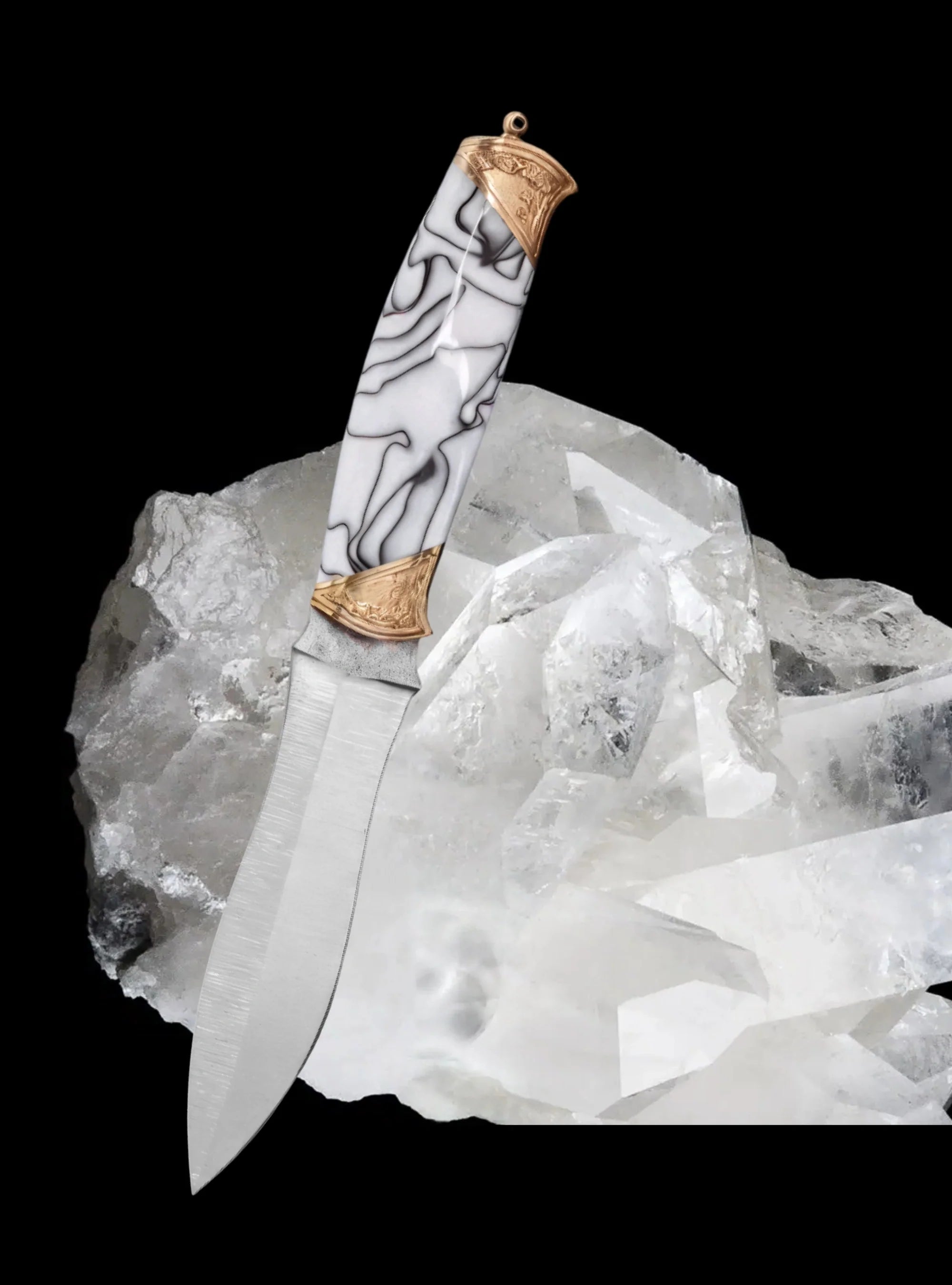
A proper stand not only protects the knife but elevates it visually, transforming it into a true decor object.
3. Neglecting Handle Material Care
Luxury knife handles often use organic, natural materials that require care:
-
Exotic woods
-
Horn or bone
-
Leather-wrapped or mixed materials
Collectors sometimes focus entirely on the blade and forget the handle — a critical mistake.
Without proper care:
-
Wood can dry, crack, or fade
-
Horn can lose luster
-
Leather can stiffen or discolor
Expert tip:
Use appropriate conditioning oils or waxes recommended for the specific handle material, and avoid excessive dryness or humidity.

4. Exposure to Sunlight and Moisture
Direct sunlight and moisture are silent enemies of luxury knives.
Mistakes include:
-
Displaying knives near windows
-
Storing them in damp environments
-
Not drying the knife properly after handling
Over time, UV exposure can fade handle materials, while moisture can lead to corrosion or structural damage.
Best practice:
Store knives in shaded areas with stable humidity. After handling, gently wipe the blade with a soft cloth before returning it to its stand or case.
5. Over-Cleaning or Using the Wrong Products
More care does not always mean better care.
Collectors sometimes:
-
Use harsh chemical cleaners
-
Over-polish blades
-
Apply unsuitable oils
This can strip protective finishes or damage delicate surfaces.
Expert advice:
Minimal, informed maintenance is best. Use only products designed for high-end blades and natural materials, and clean only when necessary.

6. Ignoring the Knife’s Artistic and Decorative Value
A luxury collectible knife is not only an object to own — it is an object to experience visually.
Many collectors store knives away, missing their role as:
-
Interior decor accents
-
Conversation pieces
-
Expressions of personal taste
Displayed correctly, a handmade knife becomes a sculptural element that enhances a space.
Design insight:
In minimalist or modern interiors, a luxury knife on a refined stand functions like functional art, blending craftsmanship with lifestyle design.

Final Thoughts: Collect with Intention
True collectors understand that luxury knives demand:
-
Respect for craftsmanship
-
Knowledge of materials
-
Thoughtful presentation
Avoiding these common mistakes ensures that your collectible knife remains beautiful, valuable, and meaningful — not just today, but for generations.
A well-kept handmade knife is not merely owned.
It is curated.
Share:
How to Spot Poor Craftsmanship in High-End Knives?
Why Handle Comfort Matters in Designer Knives?