



When people talk about designer knives, the conversation often centers on blade steel, sharpness, or visual appeal. Yet one of the most critical — and frequently overlooked — elements is handle comfort.
In true luxury and designer knives, the handle is not an afterthought. It defines how the knife feels, how it performs, and how it’s experienced over time. Comfort is not only about usability — it’s about respecting craftsmanship and the user’s relationship with the object.
Why Handle Comfort Matters in Designer Knives?
1. The Handle Is the Primary Point of Contact
No matter how refined the blade is, the handle is the part you interact with most.
A well-designed handle:
-
Fits naturally into the hand
-
Distributes pressure evenly
-
Reduces strain during use or handling
Poor handle comfort can make even the most visually stunning knife feel awkward or fatiguing.
In designer knives, comfort is a sign of intentional design, not compromise.
2. Ergonomics Enhance Control and Precision
Handle comfort directly affects control.
An ergonomic handle:
-
Improves grip stability
-
Allows more precise movement
-
Reduces the risk of slipping
This is especially important for collectible or artisan knives that may be handled carefully, displayed, or used occasionally. Comfort ensures that every interaction feels confident and refined.

3. Material Choice Influences Comfort
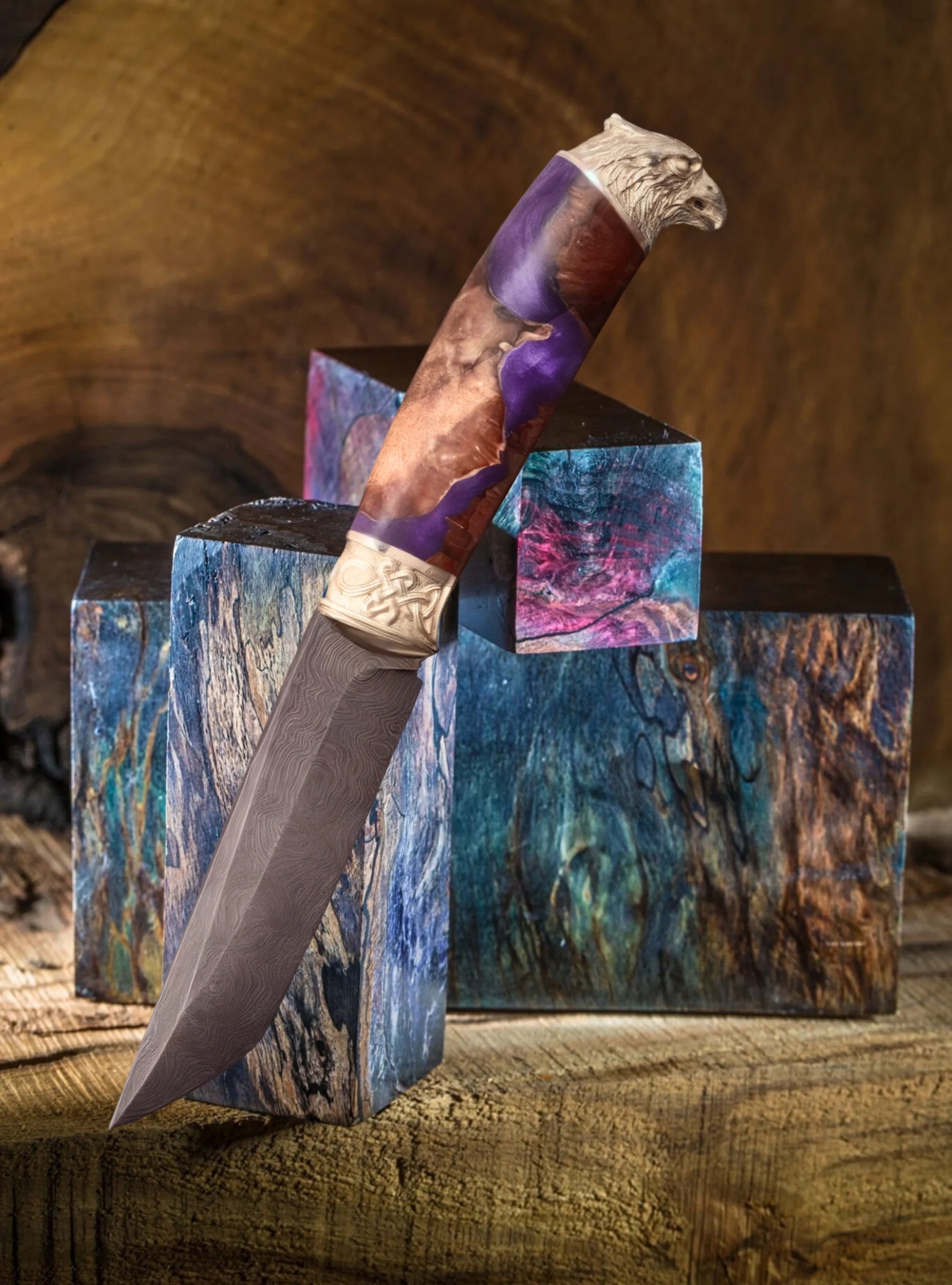
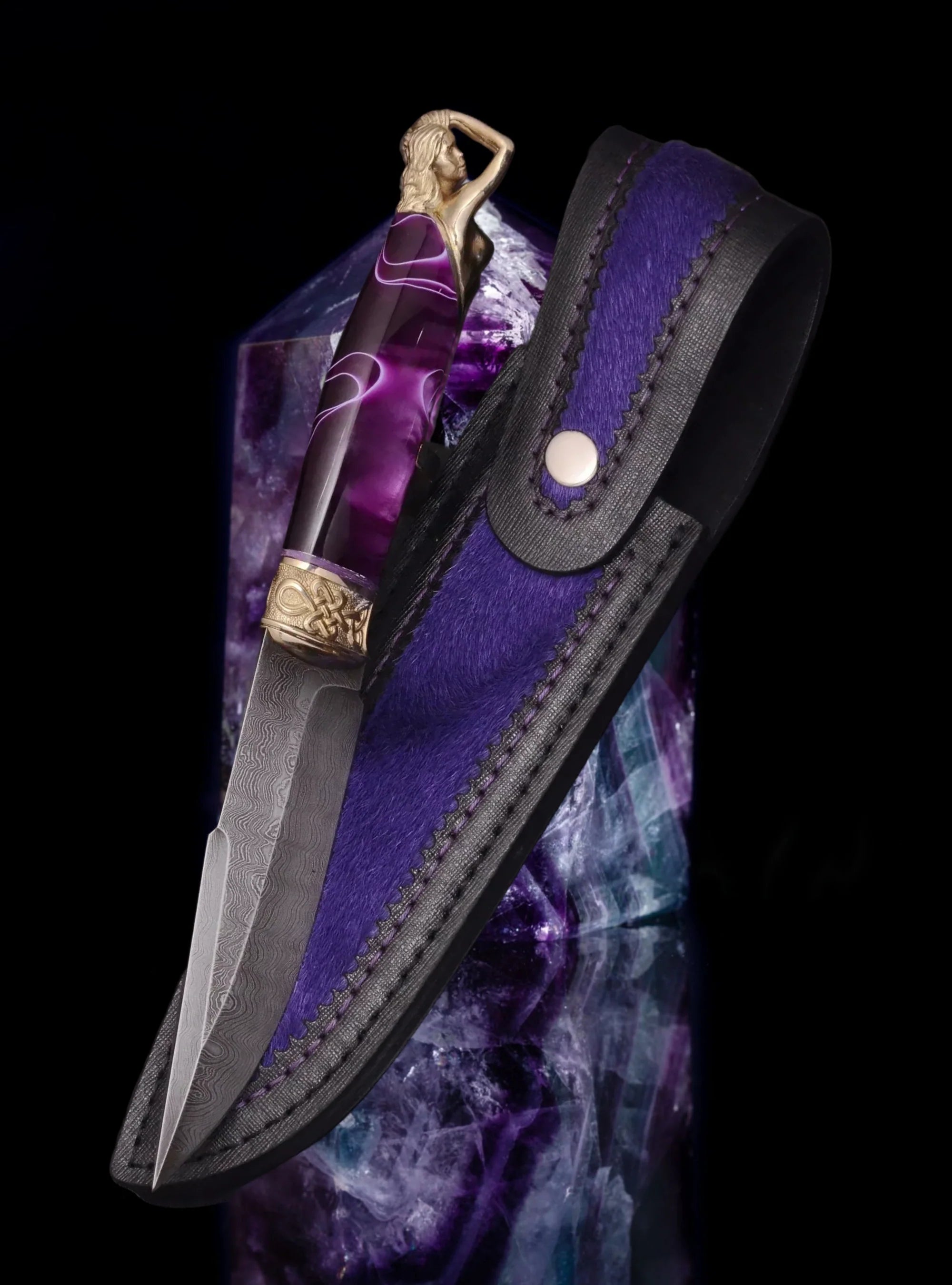
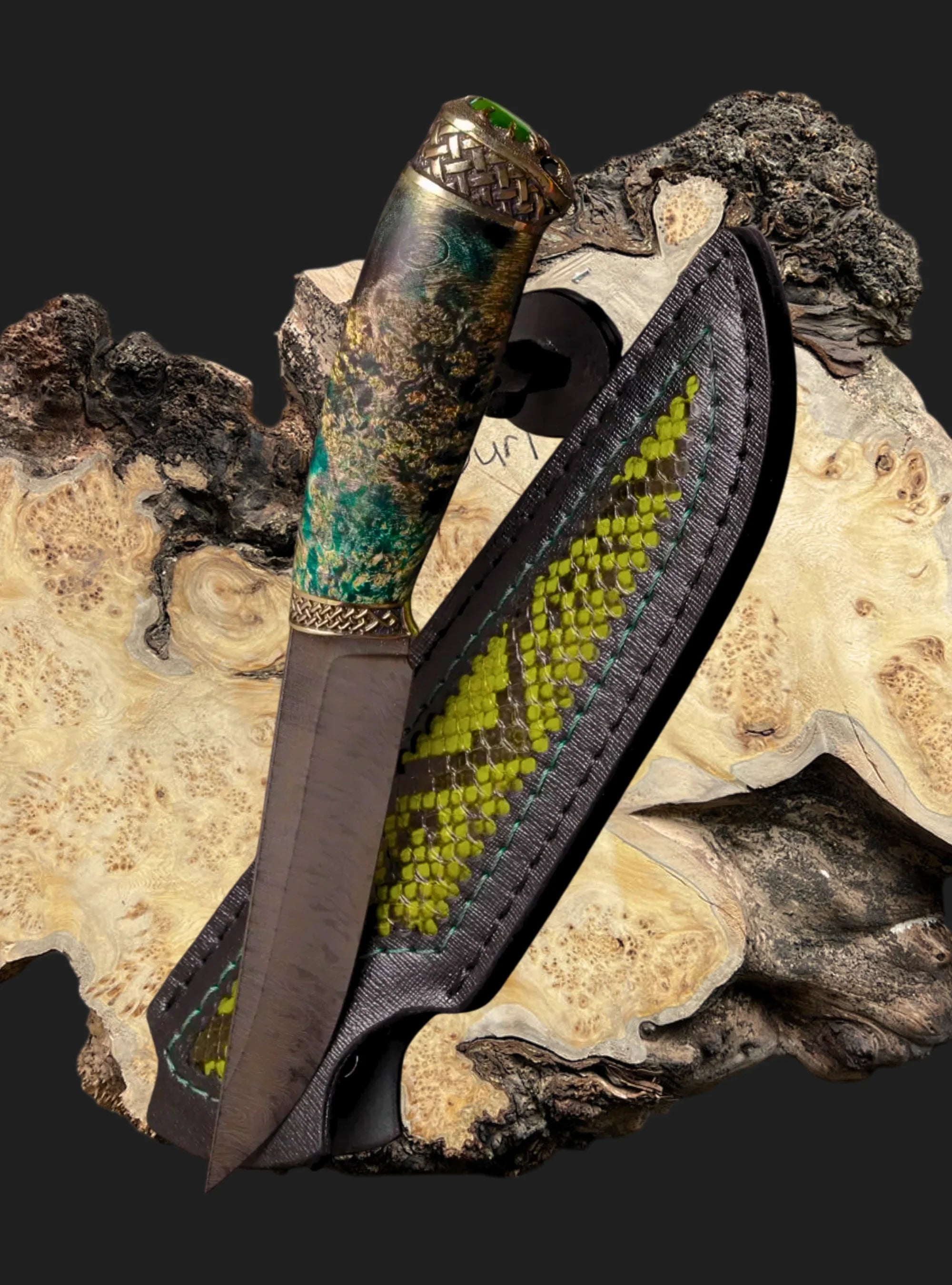
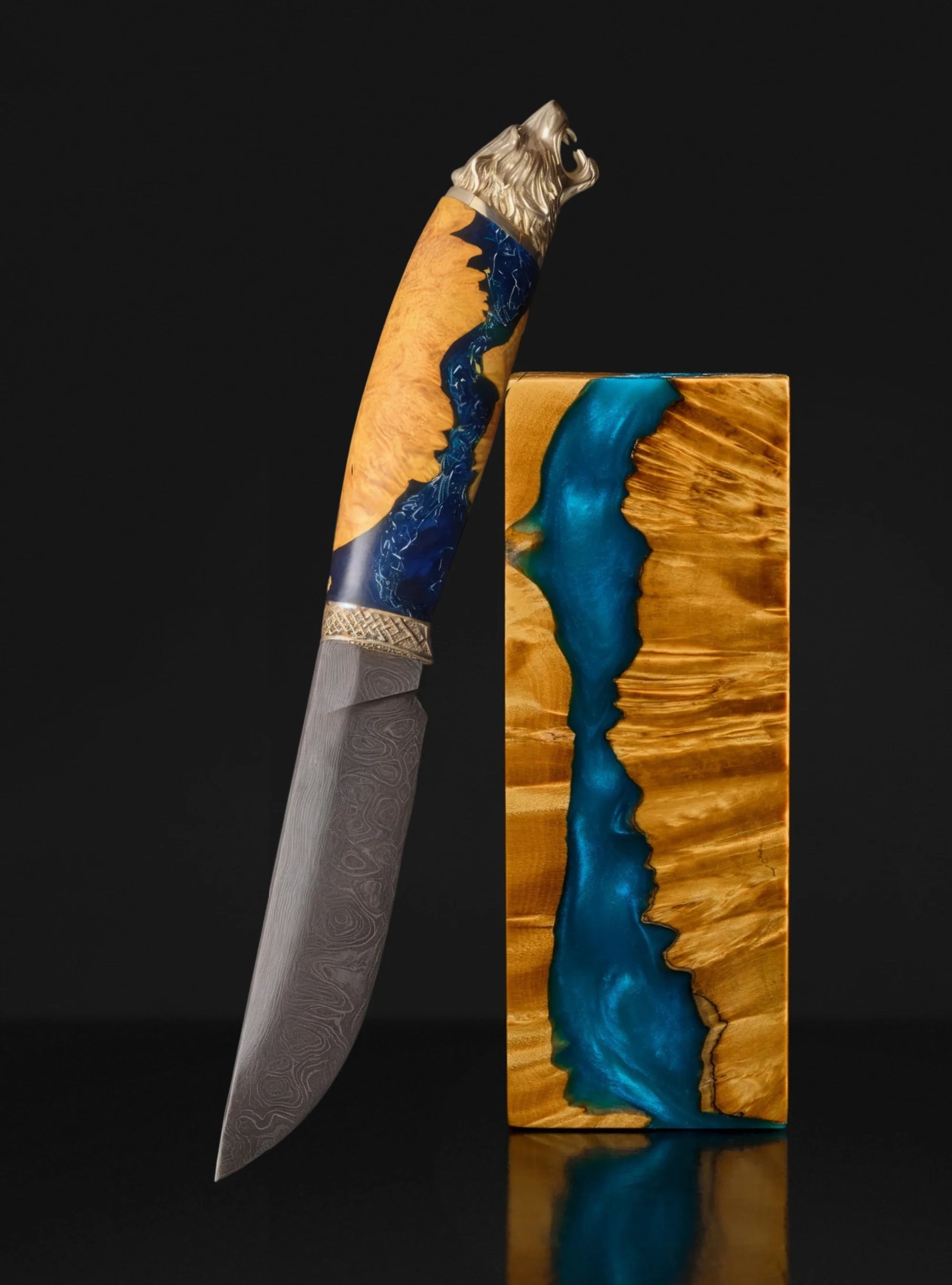
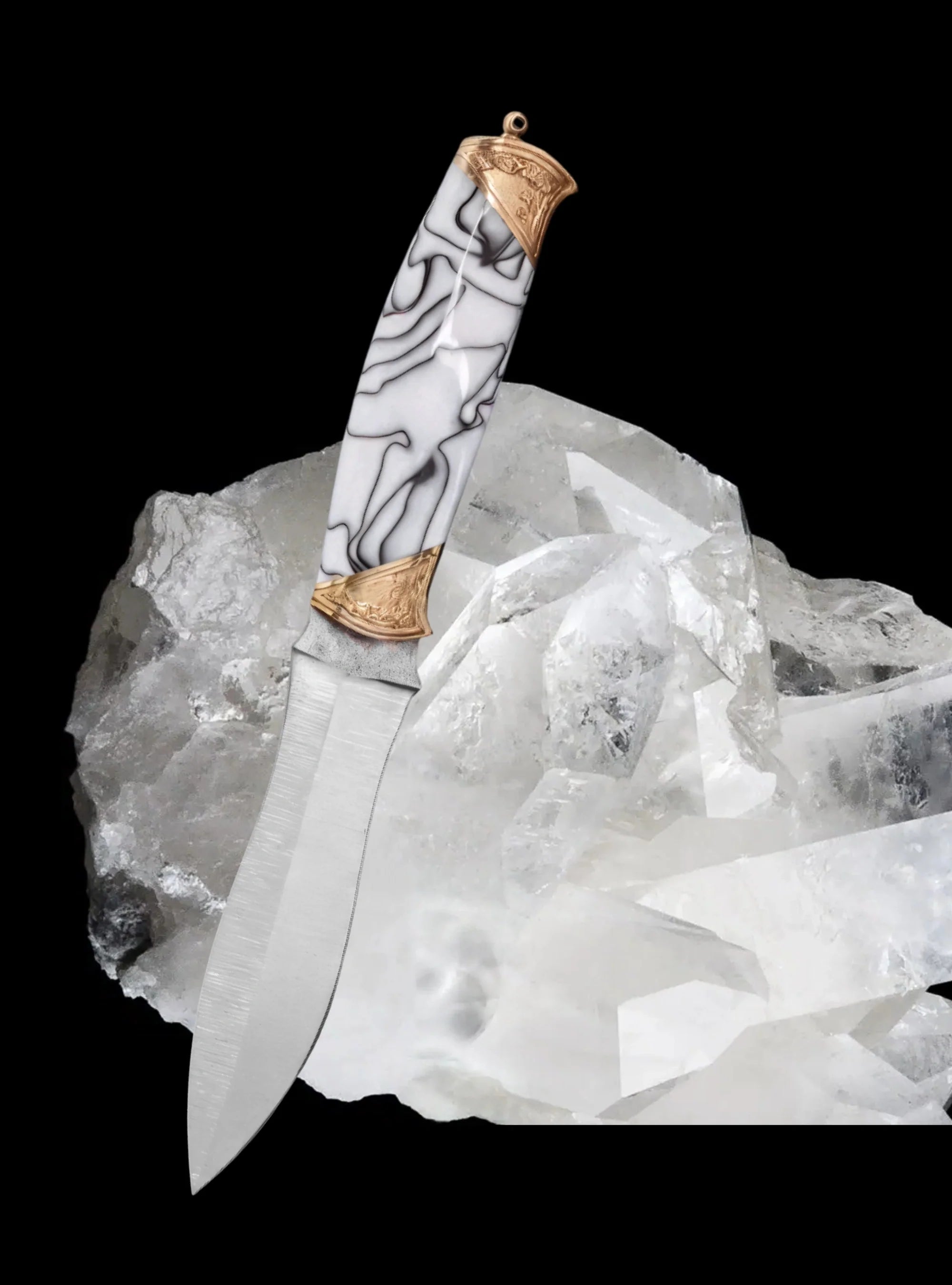
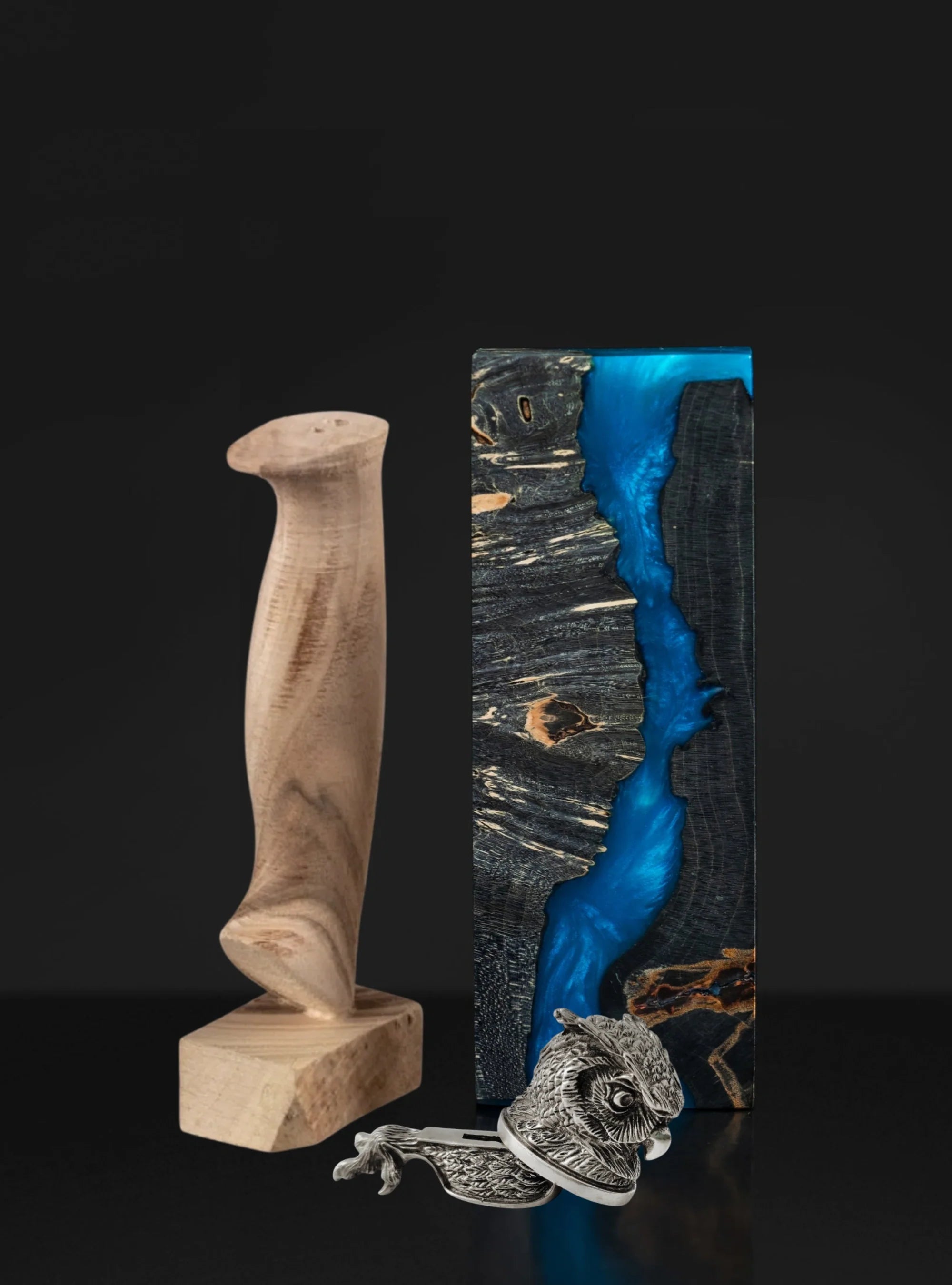
Designer knives often feature natural, premium materials — each with distinct tactile qualities.
Common luxury handle materials include:
-
Wood: Warm, balanced, and organic
-
Horn: Smooth, naturally contoured, and unique
-
Bone or composite materials: Structured yet elegant
-
Leather or wrapped finishes: Soft, ergonomic, and secure
Comfort is not just visual — it’s sensory. Texture, temperature, and grip all matter.
4. Balance Is Closely Tied to Handle Design
A knife’s balance point is strongly influenced by the handle.
A comfortable handle:
-
Helps counterbalance the blade
-
Prevents wrist fatigue
-
Makes the knife feel lighter and more controlled
In high-end knives, balance is carefully calibrated so the knife feels harmonious rather than blade-heavy or awkward.

5. Comfort Reflects Craftsmanship Quality
In luxury knives, comfort is often a marker of true craftsmanship.
Well-crafted handles show:
-
Smooth transitions and seamless joins
-
Thoughtful shaping rather than generic forms
-
Hand-finishing that removes sharp edges and pressure points
Mass-produced knives may look impressive but often lack this level of refinement.
6. Comfort Matters Even for Display and Collecting
Even when a knife is primarily a collectible or decorative piece, handle comfort still matters.
Why?
-
Collectors handle and admire their knives
-
Comfort enhances emotional connection
-
A knife that feels good reinforces its perceived value
A designer knife should feel as intentional as it looks.
7. Long-Term Satisfaction Comes from Comfort
Visual appeal may attract attention initially, but comfort determines long-term appreciation.
Over time:
-
An uncomfortable handle becomes noticeable
-
A comfortable handle becomes invisible — it simply works
True luxury is when design disappears into effortless use.

Final Thoughts
Handle comfort is not a secondary detail — it’s a defining feature of a well-designed knife. In designer and luxury knives, comfort reflects ergonomics, balance, material choice, and craftsmanship working together.
A great handle doesn’t demand attention.
It earns trust, enhances experience, and completes the knife.
That’s why, in designer knives, handle comfort truly matters.
Share:
Common Mistakes Collectors Make with Exclusive Luxury Knives
How To Avoid Scratching Luxury Knife Handles?