

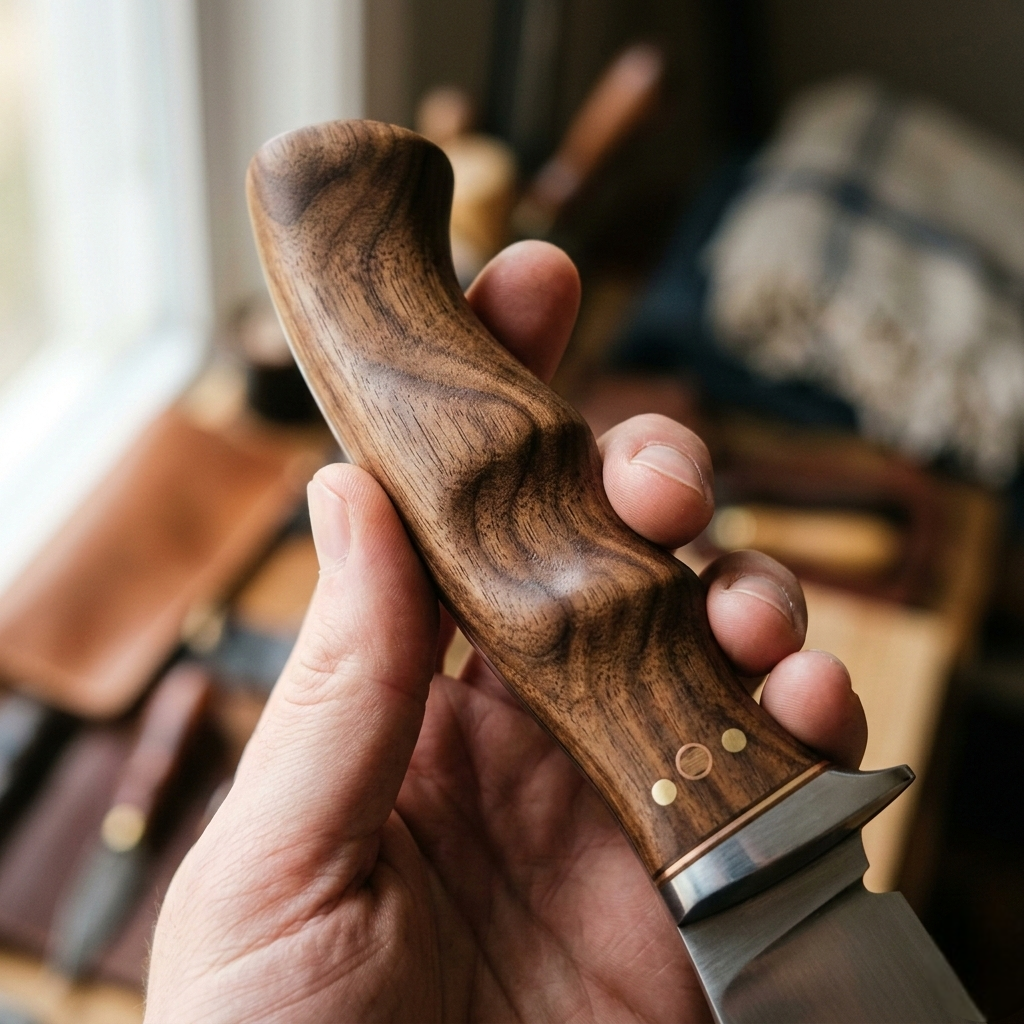
Before a blade ever touches material, the experience has already begun. The first impression of a knife is not the sharpness of its edge — it is the feel of the handle in the hand.
Grip, balance, texture, and contour all communicate quality instantly. In premium craftsmanship, the handle is not secondary. It is foundational.
The Handle Determines How The Knife Feels Before It Cuts
The Psychology of First Contact
When someone picks up a knife, the brain evaluates comfort and control within seconds. A well-designed handle signals stability. A poorly designed one creates hesitation.
This moment determines:
-
Confidence in handling
-
Perceived balance
-
Sense of precision
-
Overall trust in the tool
If the grip feels natural, the user anticipates performance before any cutting begins.

Ergonomics: Where Craft Meets Function
Ergonomics is more than shape. It involves proportion, weight distribution, and surface finish.
A properly contoured handle:
-
Aligns naturally with finger placement
-
Reduces hand fatigue
-
Supports controlled pressure
-
Prevents slipping during use
Even subtle curves influence how securely the knife rests in the palm. Premium makers invest heavily in testing these dimensions because small refinements create noticeable differences.
Balance Starts at the Handle
True balance is not accidental. It is engineered.
In many high-quality knives, the balance point sits near the junction of blade and handle. This positioning allows for:
-
Controlled slicing
-
Smoother motion
-
Reduced wrist strain
-
Greater precision
If the handle is too heavy, the knife feels back-weighted. If too light, the blade may feel unstable. The right equilibrium enhances control before cutting even begins.

Material Matters
The handle material significantly affects tactile perception.
Solid Wood
Offers warmth and natural grip. Over time, it develops character and subtle surface refinement through use.
Micarta or Composite
Provides durability and moisture resistance while maintaining textured traction.
Metal
Delivers a clean, modern feel but requires careful shaping to ensure comfort.
Each material sends a different sensory message. Premium craftsmanship ensures the chosen material supports both aesthetics and performance.
Texture and Surface Finish
Surface treatment influences grip confidence.
-
Smooth polished finishes feel refined and elegant
-
Light texturing enhances control
-
Subtle matte treatments reduce slippage
The right finish depends on the knife’s intended purpose. A culinary tool may prioritize hygiene and balance, while an outdoor knife may emphasize grip security in varying conditions.

Craftsmanship in the Details
The transition between blade tang and handle should feel seamless. Gaps, rough edges, or uneven alignment disrupt the tactile experience.
Precision finishing ensures:
-
Structural integrity
-
Long-term durability
-
Comfort during extended use
-
A refined, premium feel
These details often go unnoticed visually, yet they are immediately detected by touch.
Why the Handle Influences Perceived Quality?
Consumers often evaluate craftsmanship subconsciously through handling. A comfortable, balanced grip suggests thoughtful design and careful manufacturing.
From a positioning standpoint, emphasizing handle design in product storytelling strengthens value perception. Highlighting ergonomics, material selection, and balance reinforces the idea that the knife is built for long-term performance.
The Beginning of Performance
Sharpness can be measured. Comfort is felt.
Before the blade performs, the handle sets expectations. It communicates whether the knife will feel like an extension of the hand or simply a tool being held.
In premium craftsmanship, that distinction defines the experience.

Final Thoughts
A knife’s edge may define its function, but the handle defines its relationship with the user.
When ergonomics, material quality, and balance align, the tool inspires confidence before it ever makes contact. That first impression — the weight, the contour, the grip — determines how the knife feels long before it cuts.
Share:
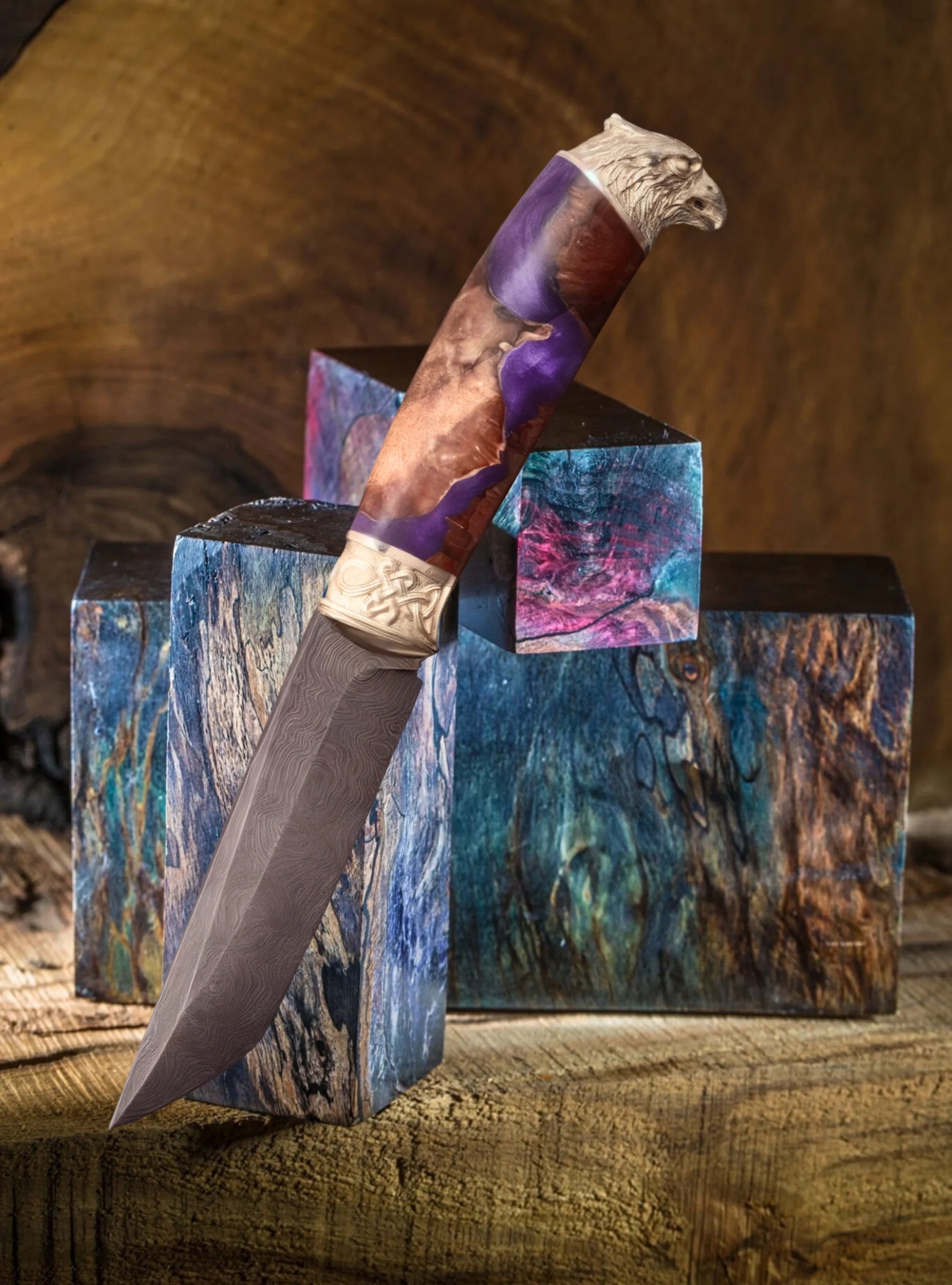
Crafted Handles Of Luxury Knives Reflect The Maker’s Signature Style
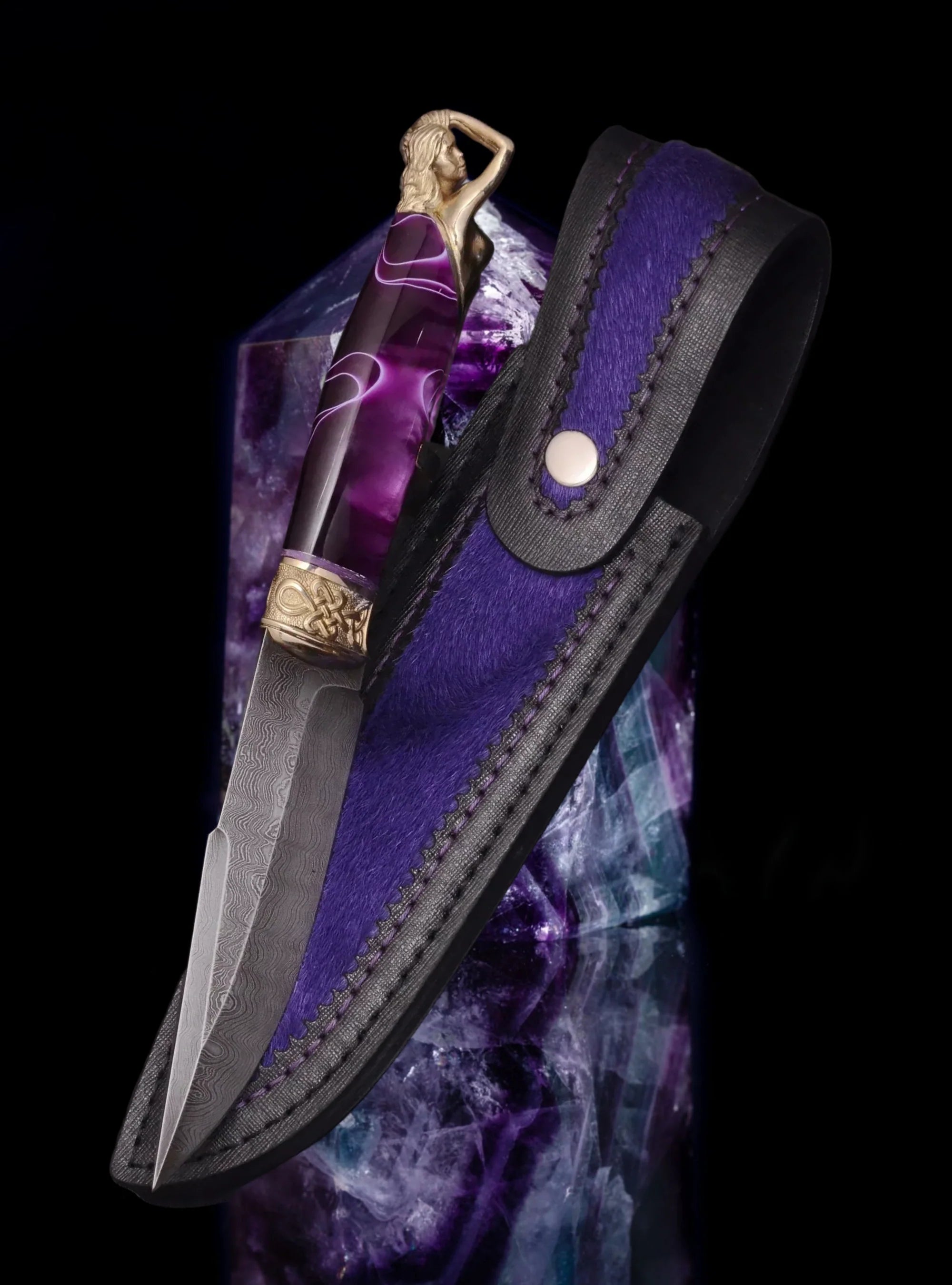
Each Artisan Handle Of Luxury Knives Reflects Individual Workshop Skill