

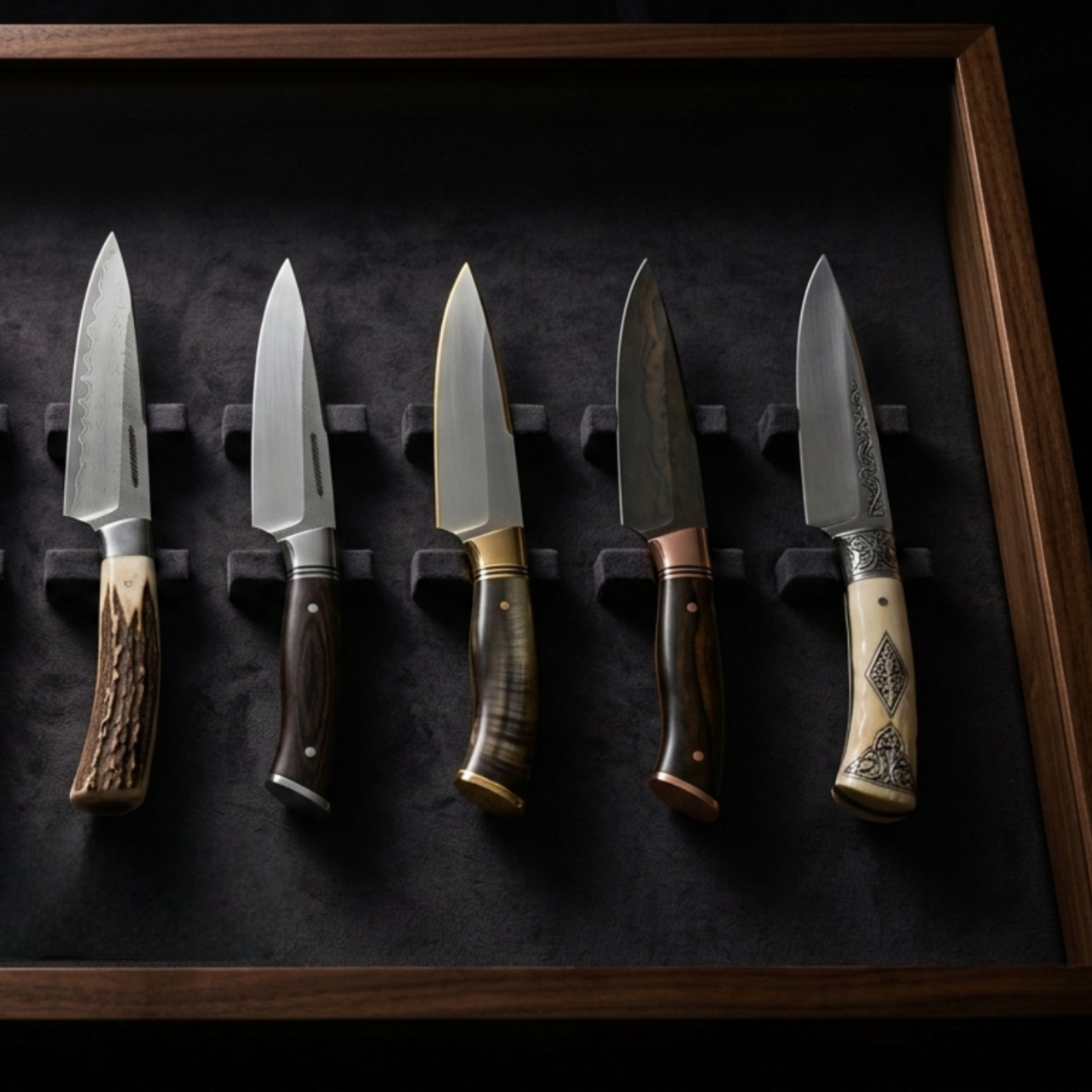
In the world of collectible and luxury knives, the handle is far more than a functional necessity—it is a canvas for artistry. While the blade determines cutting performance, the handle communicates identity, skill, and the personal signature of the maker. A crafted handle transforms a tool into a work of art, offering tactile satisfaction, visual intrigue, and lasting value.
For collectors, understanding handle design is key to appreciating craftsmanship and selecting pieces that are both beautiful and enduring.
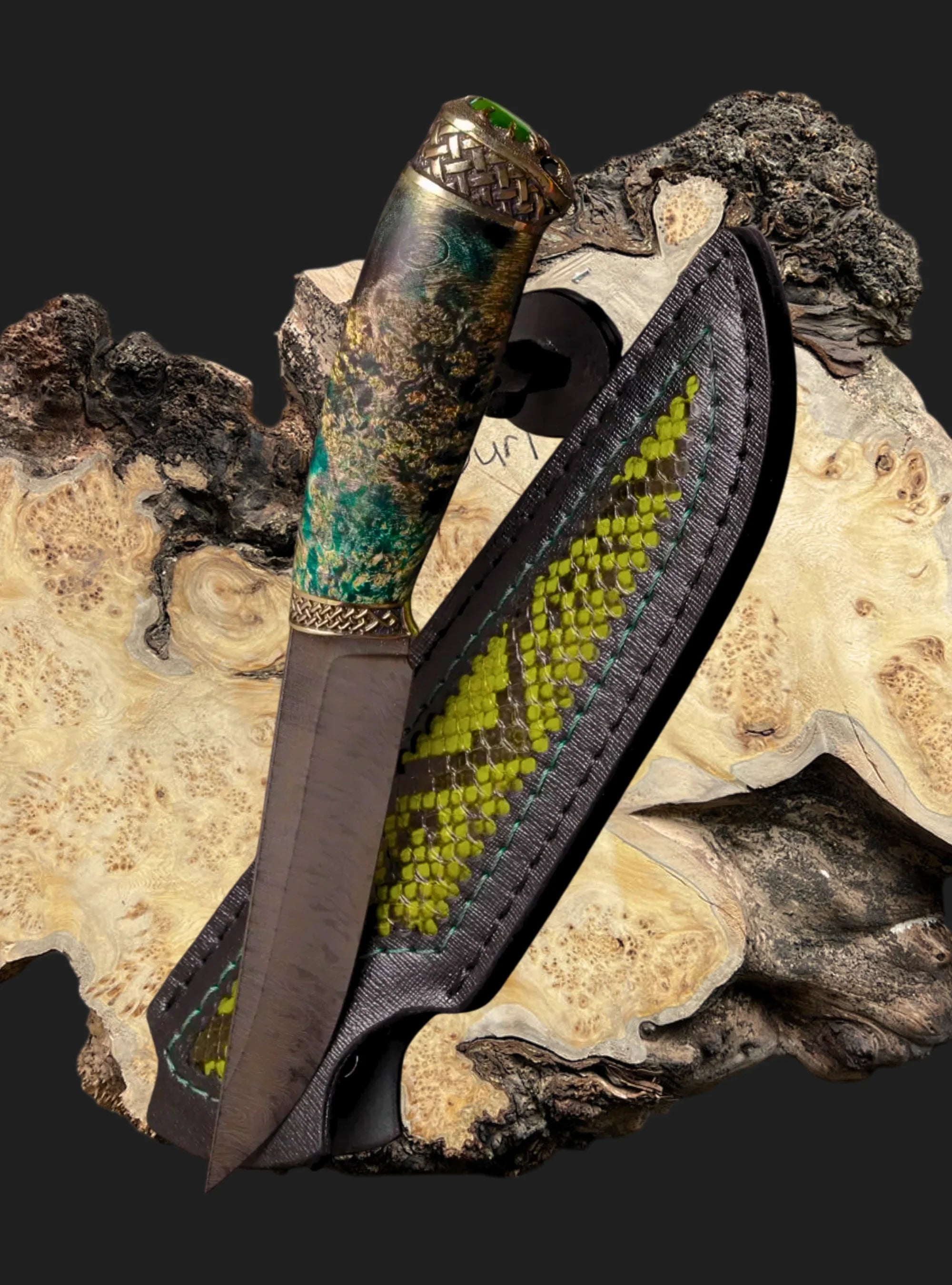
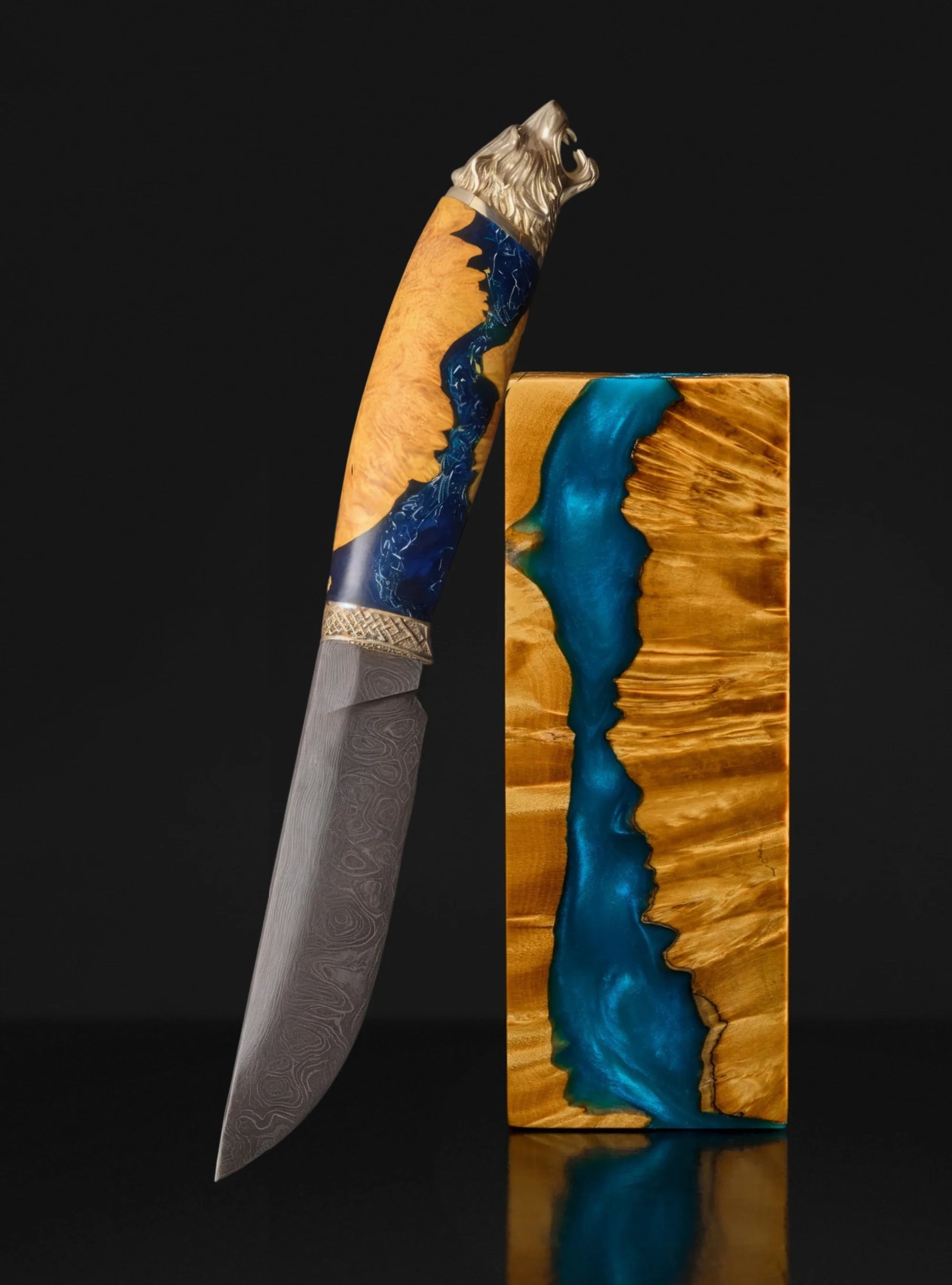
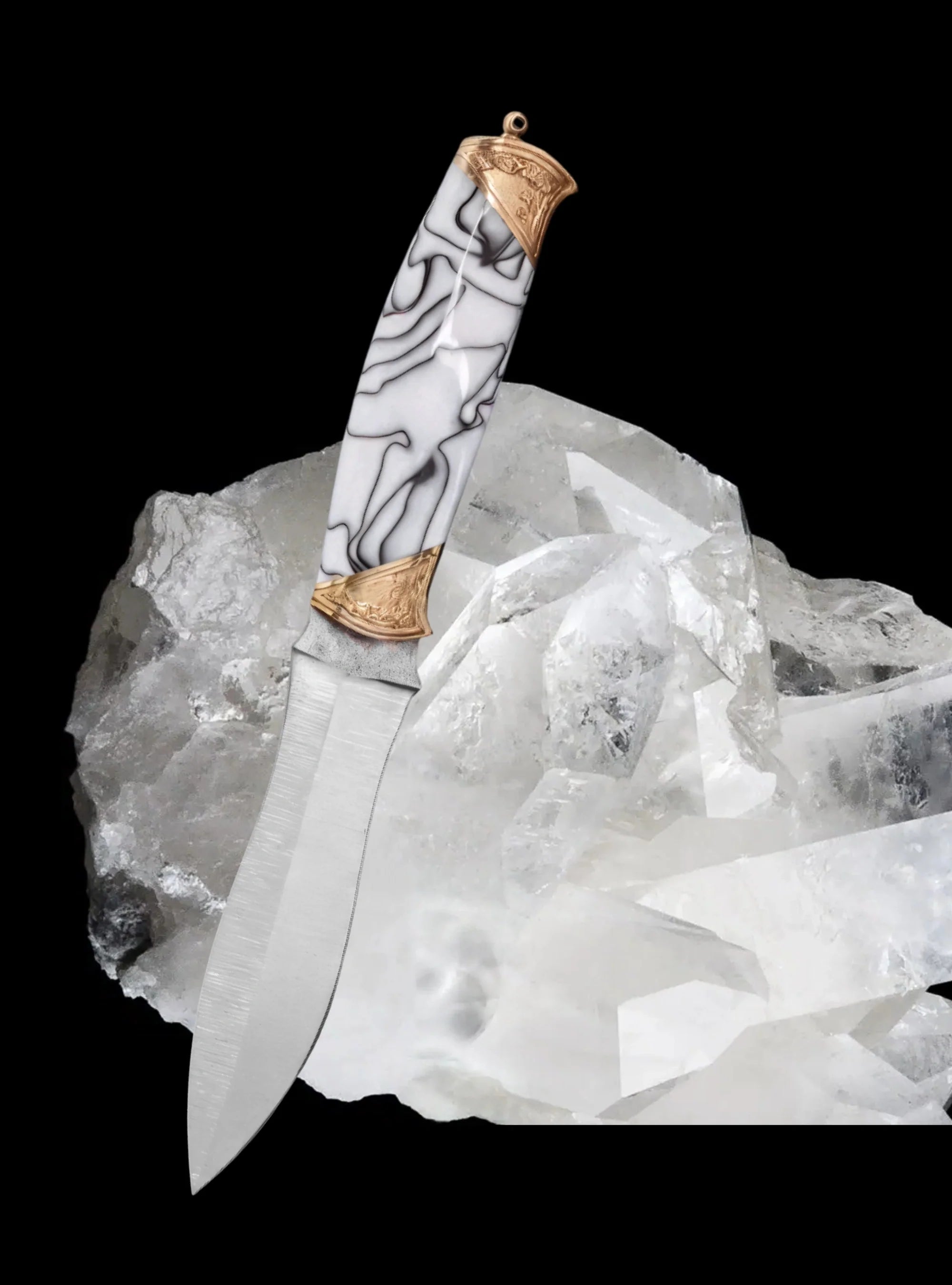
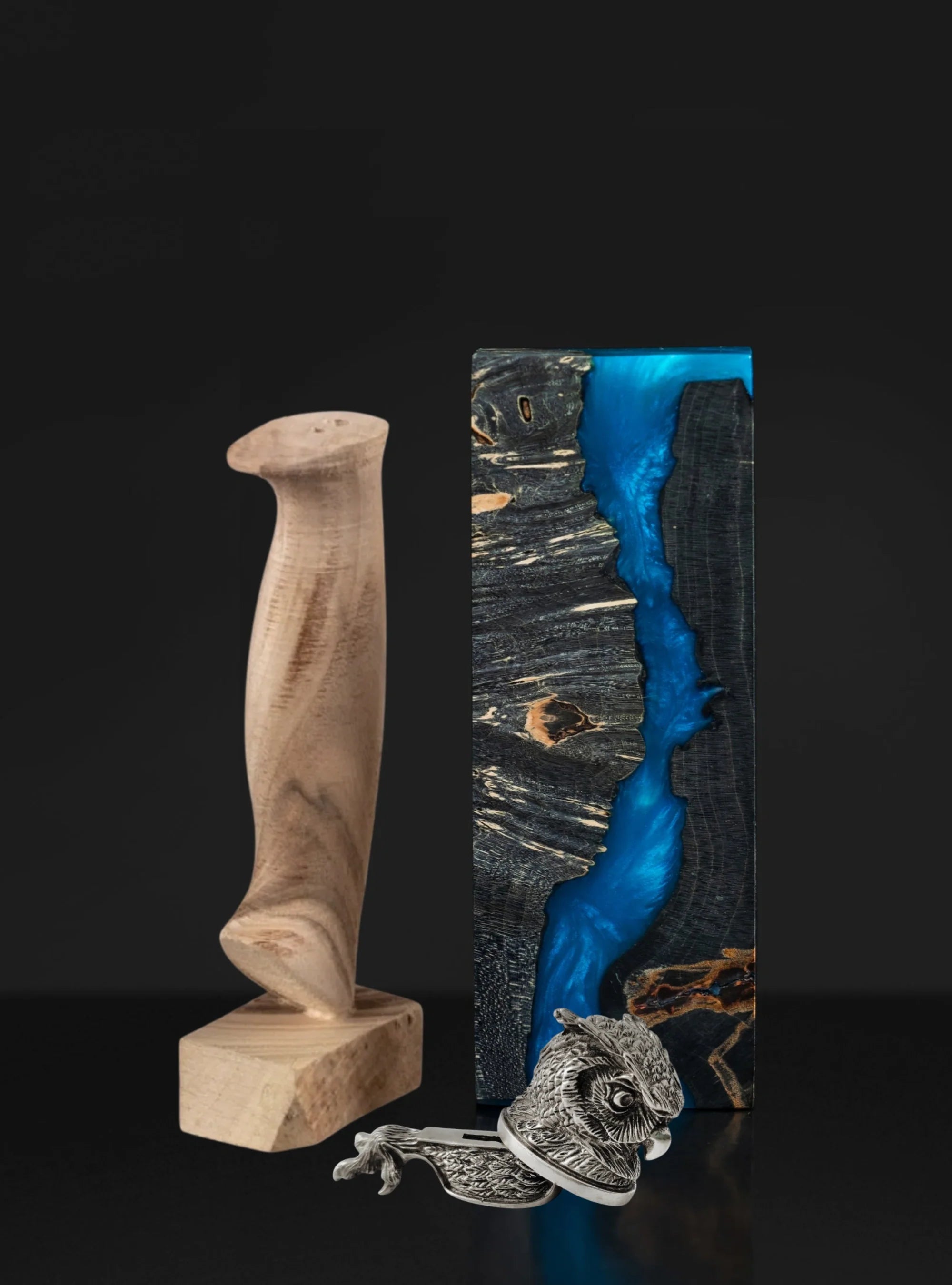
Crafted Handles Of Luxury Knives Reflect The Maker’s Signature Style
Why Handles Matter?
The handle serves multiple roles in a luxury knife:
-
Ergonomic Function: Properly shaped handles improve grip, balance, and control.
-
Aesthetic Identity: Materials, contours, and finish showcase the artisan’s style.
-
Collectible Appeal: Signature handles often increase desirability and long-term value.
Unlike mass-produced knives, handcrafted handles embody intention in every curve and transition.

Signature Styles in Handle Crafting
Every knife maker develops a recognizable approach. This signature style can include:
1. Material Choice
-
Horn or Bone: Offers organic patterns and unique coloration.
-
Exotic Woods: Maple, walnut, or rosewood add depth and warmth.
-
Metal or Composite Accents: Enhance durability and sophistication.
Material selection often reflects the artisan’s philosophy: bold contrasts, subtle harmonies, or minimalist elegance.
2. Shape and Contour
-
Tapered, flared, or palm-swollen handles communicate personality.
-
Curvature and finger grooves guide the hand intuitively.
-
Balanced proportions ensure visual harmony with the blade.
The contour is as much an aesthetic statement as it is functional design.
3. Finishing Techniques
-
Polishing to a high sheen emphasizes grain and natural depth.
-
Matte or satin finishes create understated elegance.
-
Carved motifs, inlays, or engraving add individuality.
The finishing style often becomes a hallmark, recognizable across a maker’s collection.
How Signature Handles Elevate Collectibility?
Collectors value handles that reveal a maker’s hand and creative philosophy. Features that enhance collectible appeal include:
-
Unique Material Patterns: No two horn or bone handles are identical.
-
Artisan-Specific Shaping: Recognizable curves, finger guides, and proportions.
-
Integrated Design: Seamless transitions between blade and handle highlight precision.
Signature handles turn knives into objects of admiration, not just utility.

Practical Considerations
When evaluating a signature handle:
-
Check Balance and Comfort: It should feel natural in hand.
-
Inspect Craftsmanship: Smooth surfaces, clean joints, and precise symmetry indicate quality.
-
Assess Materials: Authentic horn, bone, or premium wood reflects commitment to craftsmanship.
-
Consider Longevity: Properly stabilized and finished materials ensure durability.
A well-crafted handle preserves both tactile satisfaction and aesthetic appeal over decades.
Care Tips for Signature Handles
-
Keep dry and avoid prolonged moisture exposure.
-
Clean gently with a soft cloth to maintain polish.
-
Store in stable temperature conditions.
-
For wood or bone, occasionally apply a recommended conditioner to maintain luster.
Proper maintenance ensures the handle retains its signature beauty and functional integrity.
Final Thoughts
The handle of a luxury knife is a testament to the maker’s identity. It communicates craftsmanship, intentional design, and artistic vision in a way the blade alone cannot. Collectors and enthusiasts recognize the subtle cues in material, shape, and finish that signal authenticity and skill.
Signature handles transform knives into timeless works of art—where every curve, grain, and finish tells the story of the artisan who created it.
Frequently Asked Questions (FAQ)
1. What makes a handle “signature”?
A signature handle reflects the maker’s unique combination of material, shape, contour, and finishing style, making it recognizable across their work.
2. Are horn and bone handles durable?
Yes, when properly stabilized and finished, these natural materials are long-lasting and age gracefully.
3. How do you identify authentic handcrafted handles?
Look for smooth transitions, precise joints, subtle asymmetries indicating handcrafting, and high-quality natural materials.
4. Does the handle affect knife performance?
Absolutely. Ergonomic shape and weight distribution influence comfort, grip, and balance, which are critical for both utility and display.
5. Can signature handles increase collectible value?
Yes. Unique design, quality materials, and recognizable artisan style often enhance long-term desirability and market value.
Share:
Horn, Bone, Or Rare Materials Of Elegant Knives Elevate Collectible Appeal
The Handle Determines How The Knife Feels Before It Cuts