


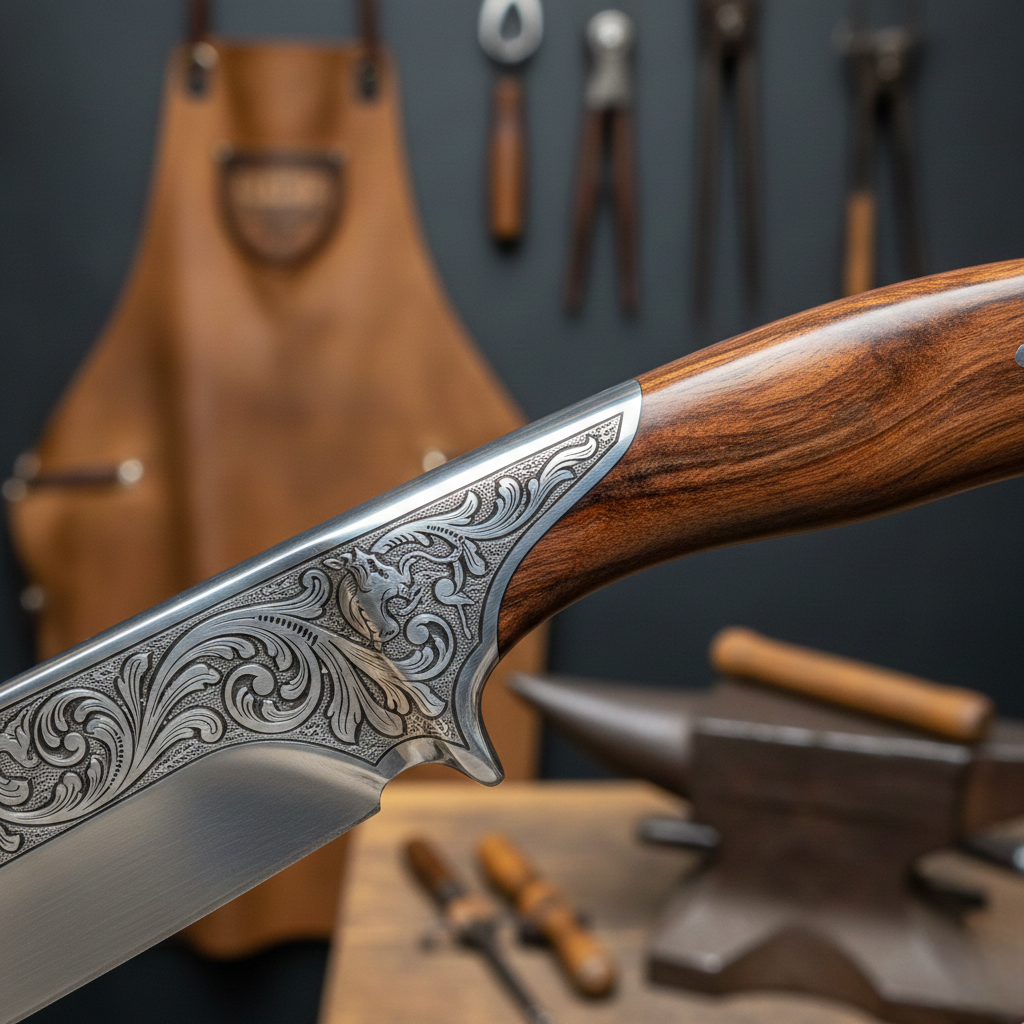
In premium cutlery, refinement is revealed in the details. While blade steel and sharpness often dominate marketing discussions, seasoned buyers understand that one of the clearest indicators of craftsmanship is the transition between blade and handle. A seamless integration signals precision engineering, durability, and intentional design.
In luxury knives, nothing should feel accidental — especially where metal meets material.
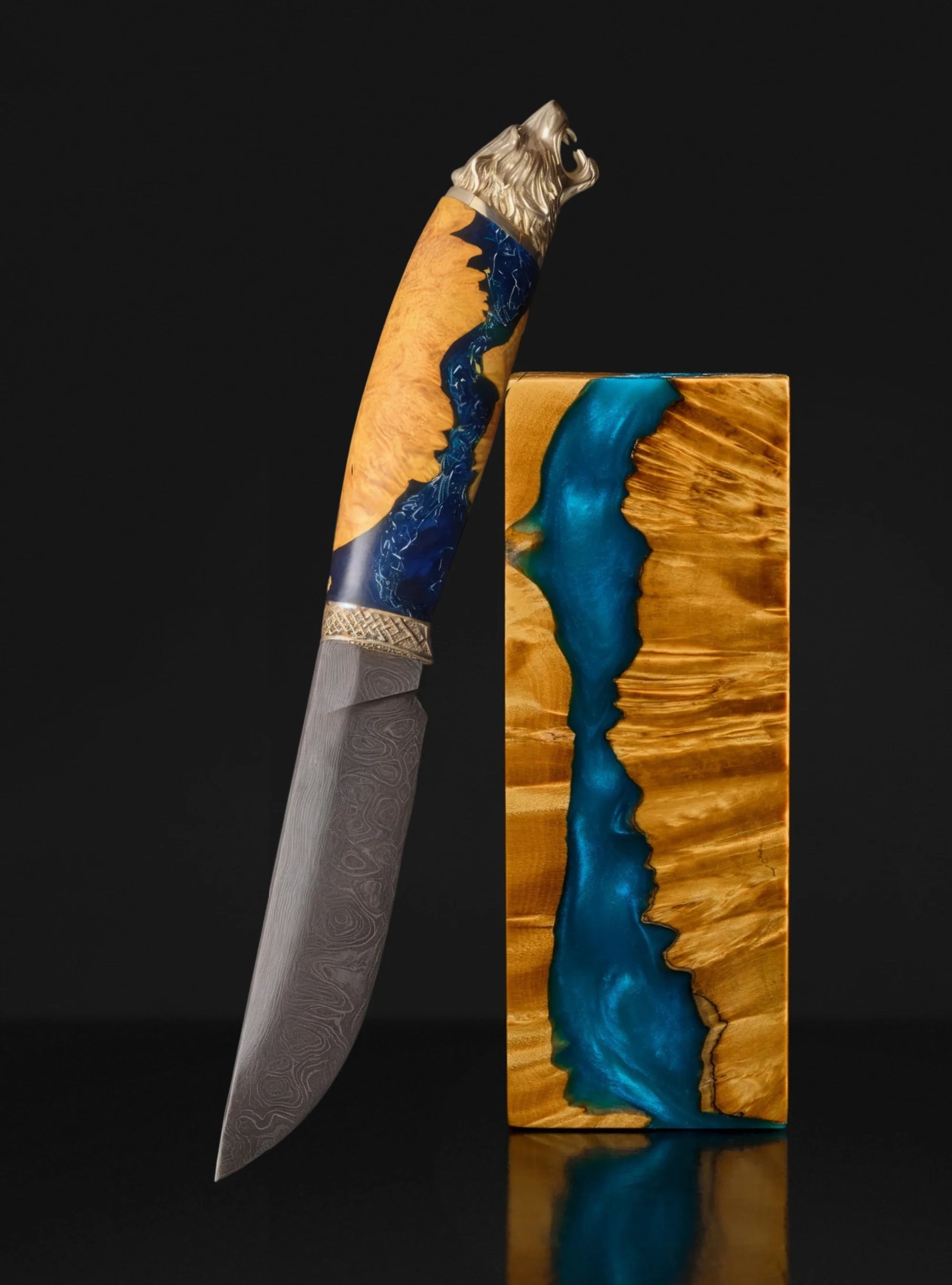
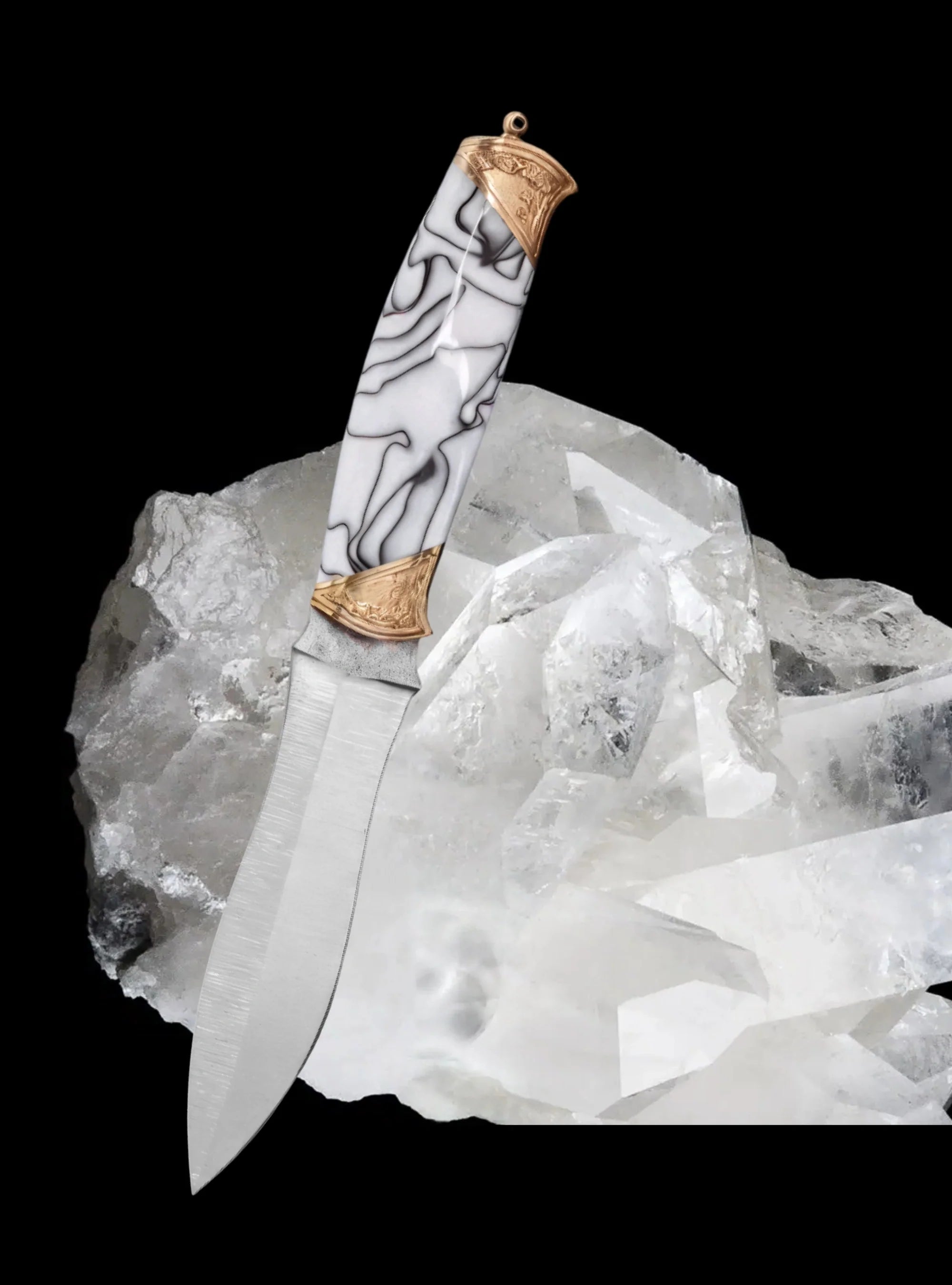
Seamless Transitions Between Blade And Handle of Luxury Knife Signal Quality
Why the Blade-to-Handle Transition Matters?
The junction between blade and handle affects:
-
Structural strength
-
Long-term durability
-
Balance and weight distribution
-
Comfort during extended use
-
Hygiene and ease of cleaning
A poorly finished transition may create visible gaps, uneven surfaces, or imbalance. A seamless one communicates mastery.

Hallmarks of a Premium Transition
1. Precision Fitting
High-end knives are assembled with tight tolerances. There should be no visible separation between tang and handle scales.
Japanese makers such as Shun Cutlery and German manufacturers like Wüsthof are known for meticulous handle integration in forged lines.
2. Full Tang Construction
A full tang — where the blade steel extends through the entire handle — improves strength and balance. When properly finished, the tang aligns flush with handle scales.
3. Smooth Bolster Integration
Forged knives often feature a bolster (the thick junction between blade and handle). In premium models, the bolster transitions smoothly without sharp edges or misalignment.
4. Ergonomic Contouring
Luxury knives are hand-finished to ensure no uncomfortable edges interrupt the grip. The transition should feel continuous in the hand.

Materials That Elevate Craftsmanship
High-end knives use materials that complement precision construction:
-
Stabilized hardwood
-
Micarta
-
G10 composite
-
Polished pakkawood
-
Riveted stainless steel
The finishing process ensures the materials meet the blade without irregular seams.
Functional Advantages of Seamless Construction
Improved Hygiene
Fewer gaps reduce places where moisture and food particles can accumulate.
Enhanced Balance
Precise transitions improve weight distribution, reducing fatigue during extended prep work.
Long-Term Durability
Even pressure distribution across the junction prevents handle loosening over time.
Visual Indicators of Quality
When evaluating a knife:
-
Run your finger across the tang and handle — it should feel flush.
-
Inspect for uniform polish and clean lines.
-
Check rivet alignment and symmetry.
-
Observe the consistency of finishing along the spine.
Luxury craftsmanship feels intentional before it even cuts.
Beyond Aesthetics: A Marker of Brand Standards
Brands that invest in seamless blade-to-handle integration typically apply the same precision to heat treatment, edge geometry, and finishing.
The detail reflects internal standards, not decorative marketing.

A Signal to Discerning Buyers
For serious home chefs and culinary professionals, a seamless transition is not cosmetic — it is structural evidence of quality control and manufacturing discipline.
In high-end knives, excellence is not just sharpness. It is alignment, balance, and refinement at every junction.
Share:
Exotic Inlays Elevate Visual Complexity of Designer Knives
Artisan Craftsmanship of Luxury Knives Preserves Traditional Techniques