


In an era of automation and mass production, artisan-crafted luxury knives stand apart as enduring symbols of heritage and precision. Beyond their function, these pieces represent generations of accumulated knowledge — forging methods, material selection, and finishing techniques passed from master to apprentice.
Artisan Craftsmanship of Luxury Knives Preserves Traditional Techniques
The Value of Traditional Blade Forging
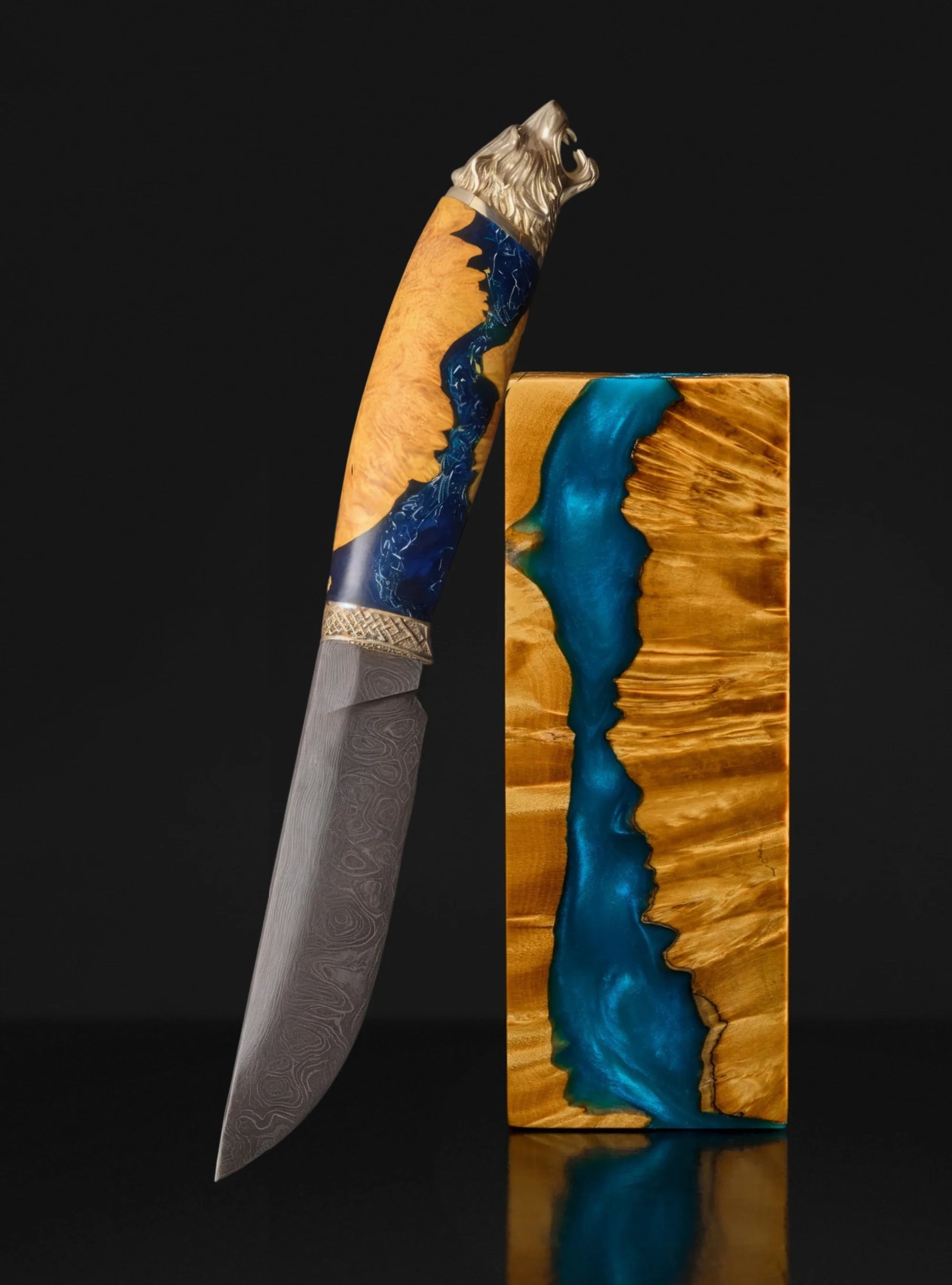
Artisan knife production often begins with time-honored forging techniques rather than industrial stamping. Skilled makers carefully heat, shape, and temper steel to enhance structural integrity and longevity.
Traditional forging offers several advantages:
-
Enhanced grain structure in the steel
-
Balanced weight distribution
-
Superior edge retention when properly maintained
-
Distinct visual character in the blade finish
Rather than uniform mass output, each blade carries subtle individuality — a hallmark of true craftsmanship.

Hand-Finishing: Where Detail Defines Luxury
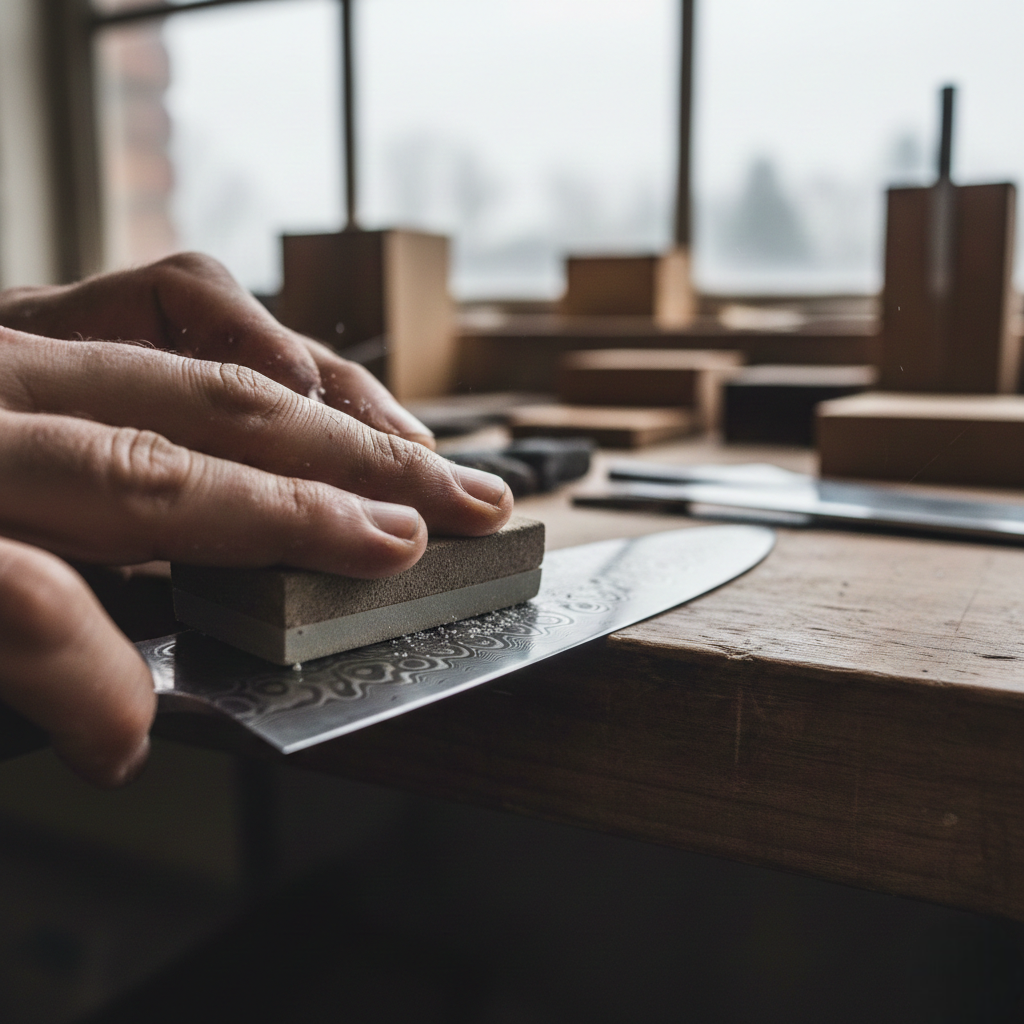
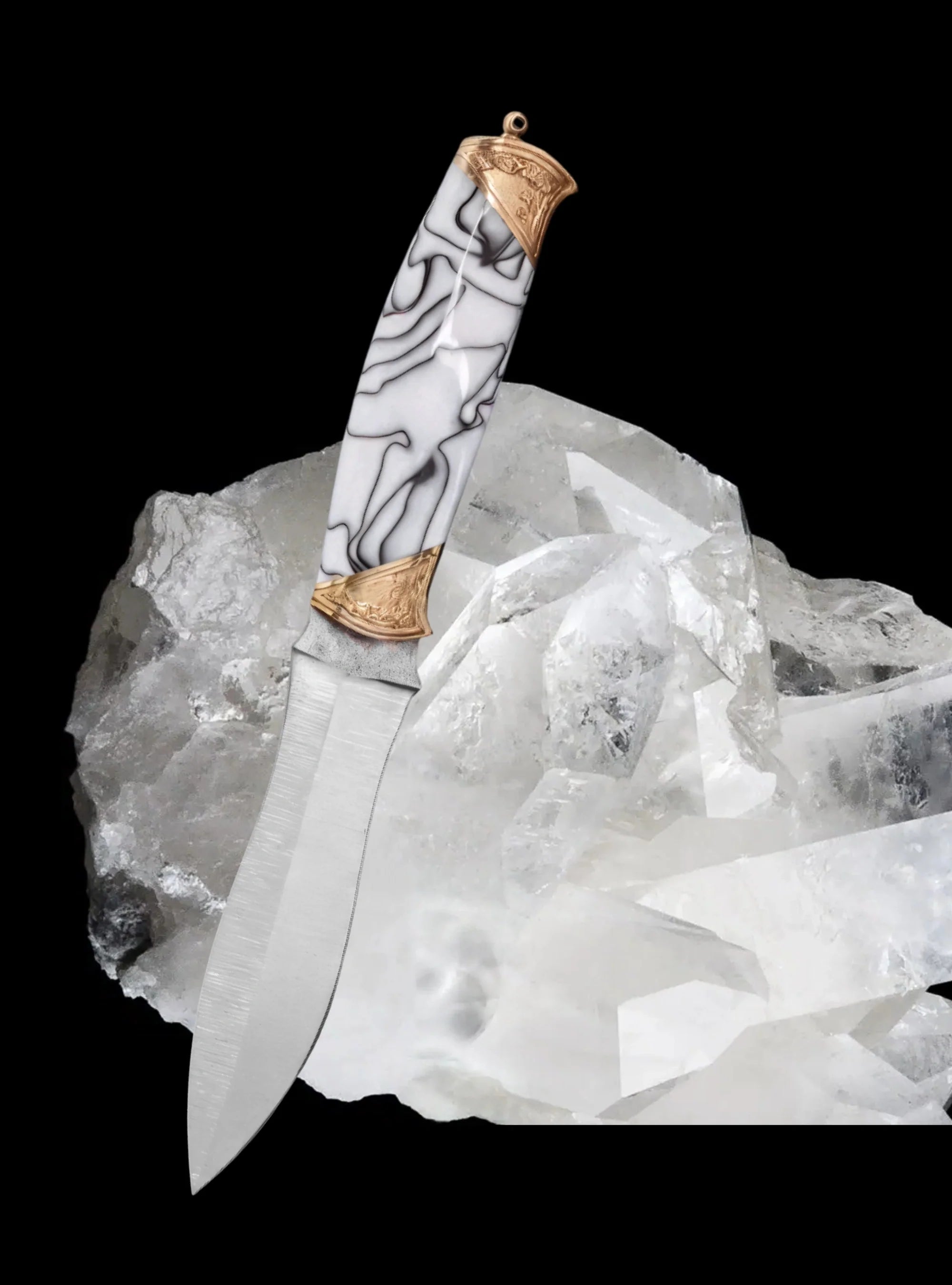
Machine polishing can produce smooth surfaces, but artisan hand-finishing introduces nuance. Craftsmen carefully refine the blade’s surface, bevel, and spine, ensuring harmony between aesthetics and ergonomics.
Common hand-applied techniques include:
-
Fine stone finishing for controlled texture
-
Hand-satin polishing for understated elegance
-
Precision edge shaping for refined balance
These processes require patience and skill — qualities that distinguish luxury knives from factory-made alternatives.
The Role of Natural Materials
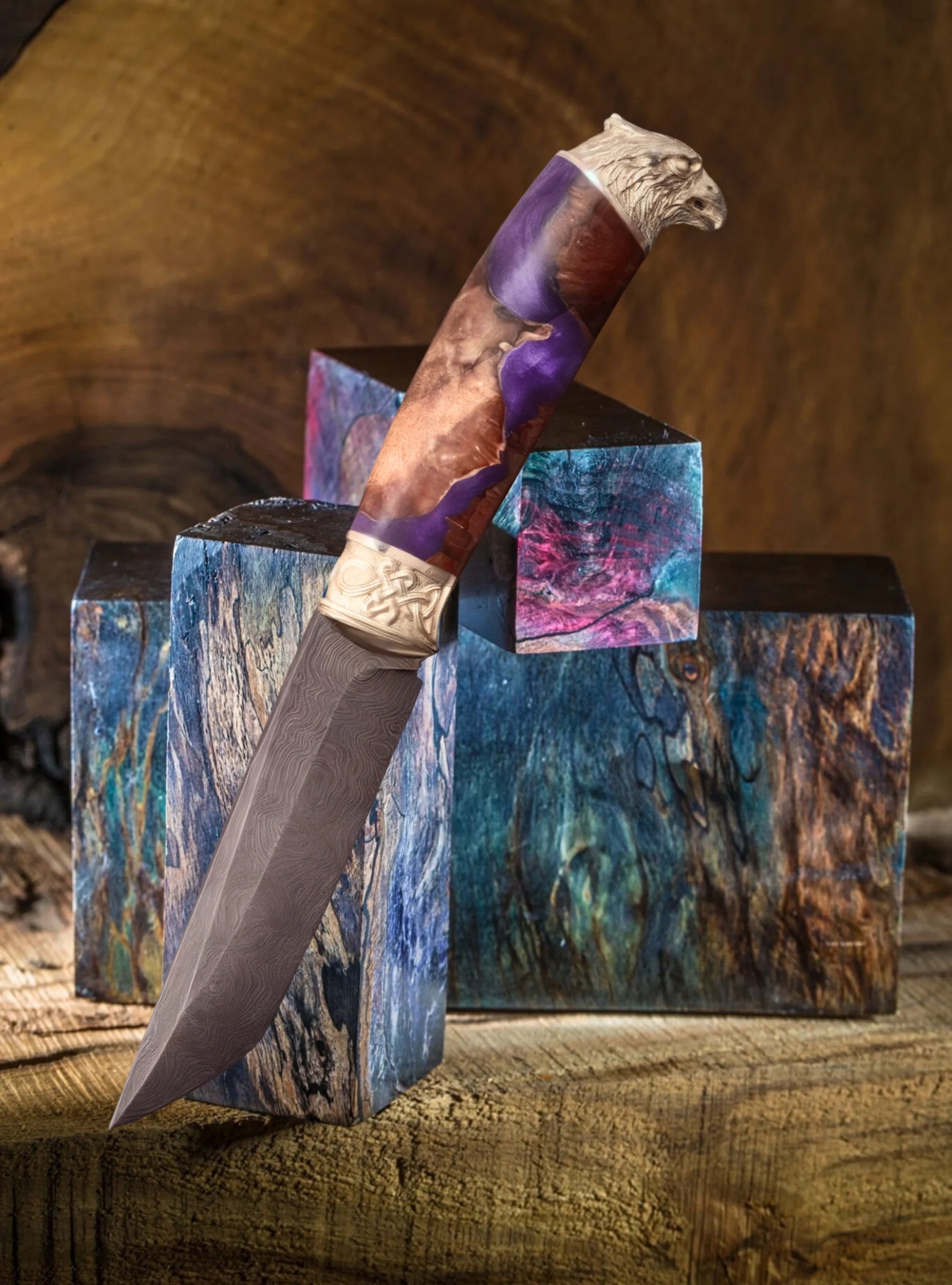
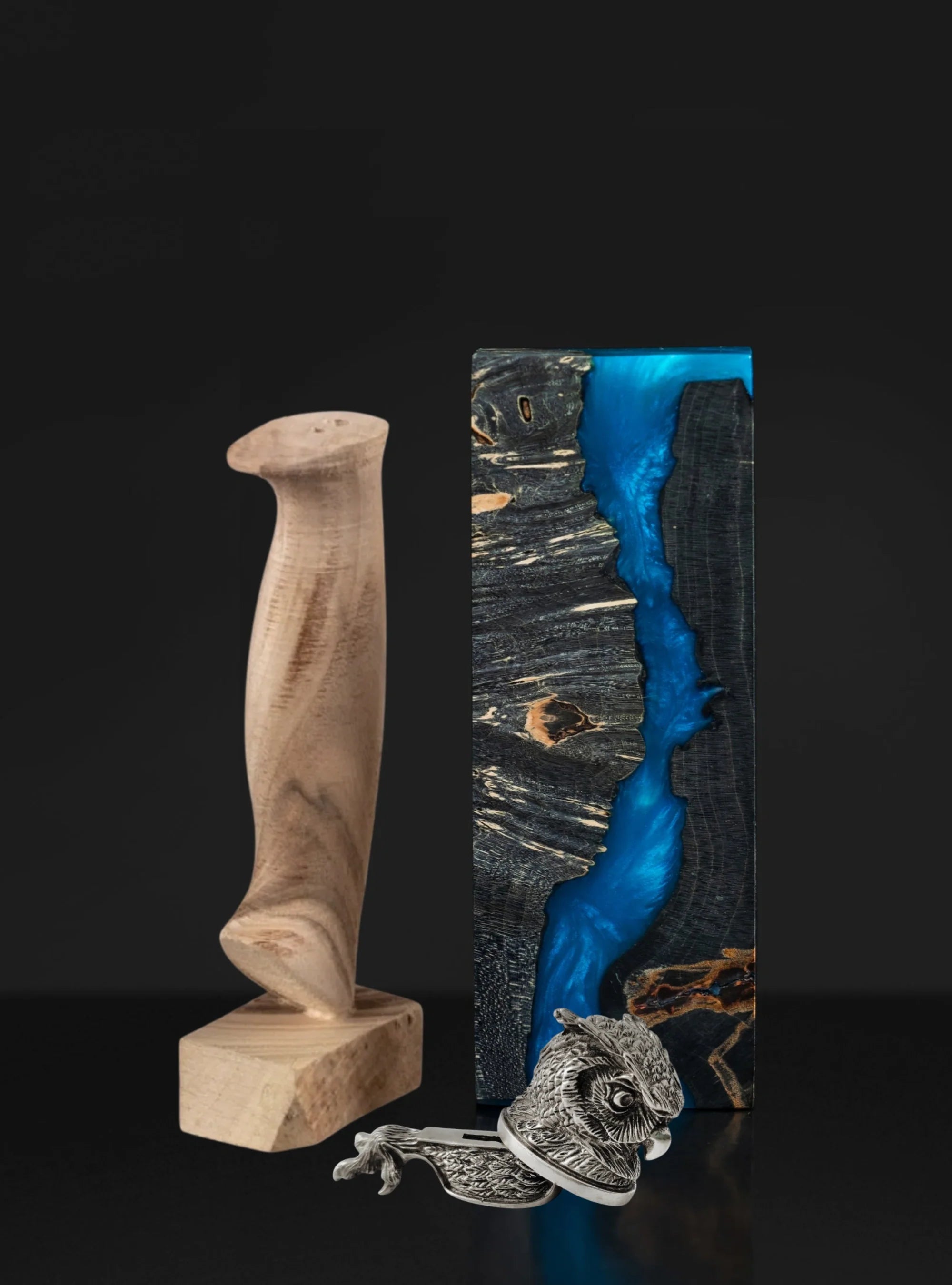
Traditional craftsmanship often extends beyond the blade itself. Luxury knife handles frequently incorporate natural materials such as stabilized wood, horn, or bone. These materials:
-
Offer unique grain patterns
-
Develop character over time
-
Provide tactile warmth and comfort
Each handle becomes one-of-a-kind, reinforcing the collectible nature of artisan knives.

Apprenticeship and Knowledge Transfer
The preservation of traditional techniques depends on mentorship. Many respected workshops maintain apprenticeship systems where younger artisans learn through hands-on practice under master guidance.
This structured transmission of knowledge ensures:
-
Continuity of forging methods
-
Refinement of finishing standards
-
Respect for historical design principles
Without this generational exchange, centuries-old blade-making traditions could fade into obscurity.
Modern Refinement Meets Heritage
While rooted in tradition, contemporary luxury knife makers integrate controlled heat treatment technologies and quality testing standards. The result is a balance between:
-
Historical technique
-
Precision engineering
-
Aesthetic sophistication
-
Long-term durability
This fusion preserves authenticity while ensuring reliability for modern collectors and enthusiasts.
Why Collectors Value Artisan Craftsmanship?
Collectors seek more than utility — they seek narrative. An artisan-crafted knife represents:
-
Hours of skilled labor
-
Cultural heritage
-
Material integrity
-
Limited production
Unlike mass-produced items, each piece carries the signature of its maker and the legacy of its region.

Final Perspective
Artisan craftsmanship in luxury knives safeguards techniques that have shaped blade-making for centuries. Through forging, hand-finishing, and mentorship, these traditions remain alive in every carefully constructed piece.
In a world driven by speed, artisan knives stand as reminders that mastery, patience, and heritage still define true luxury.
Share:
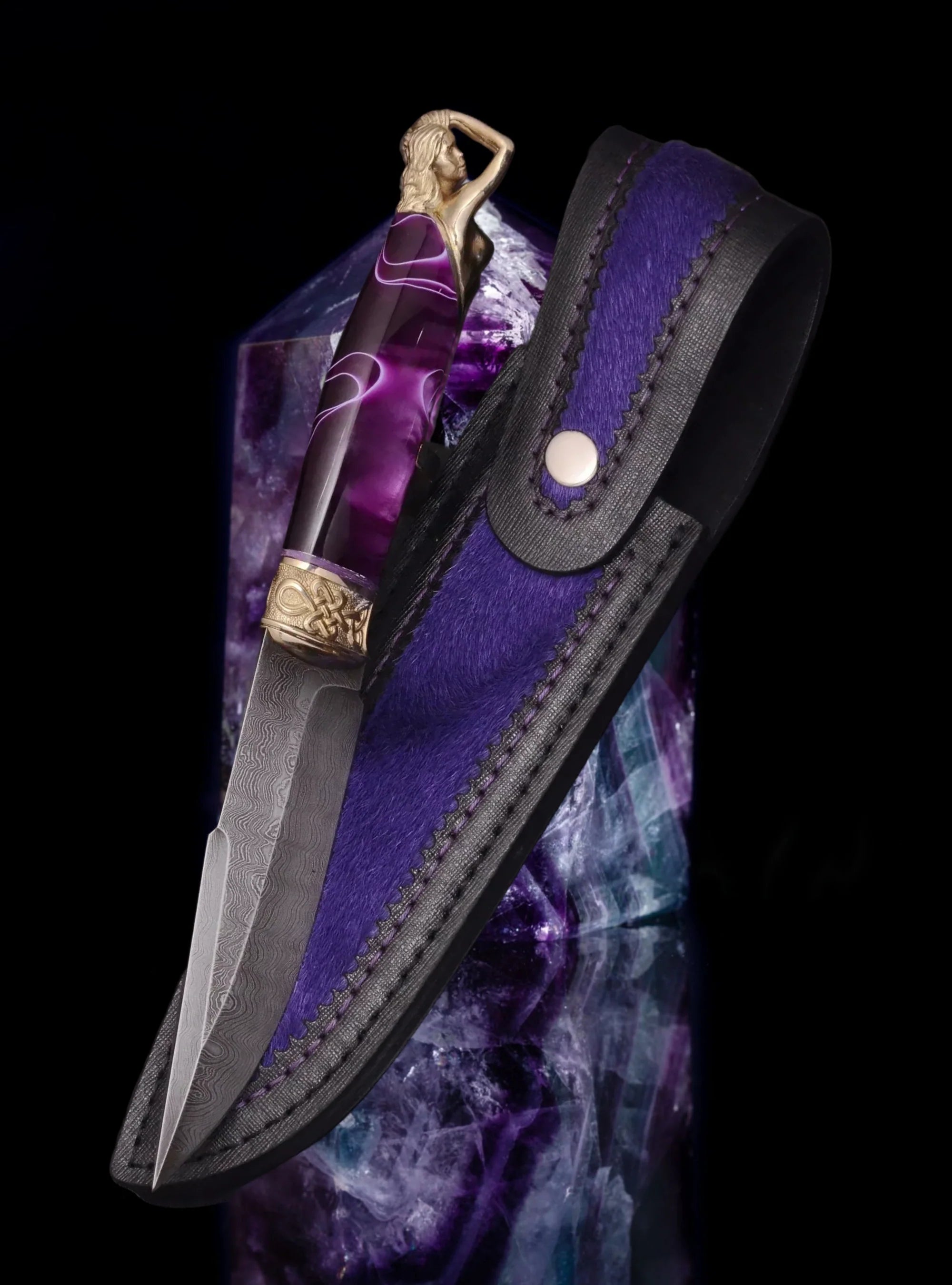
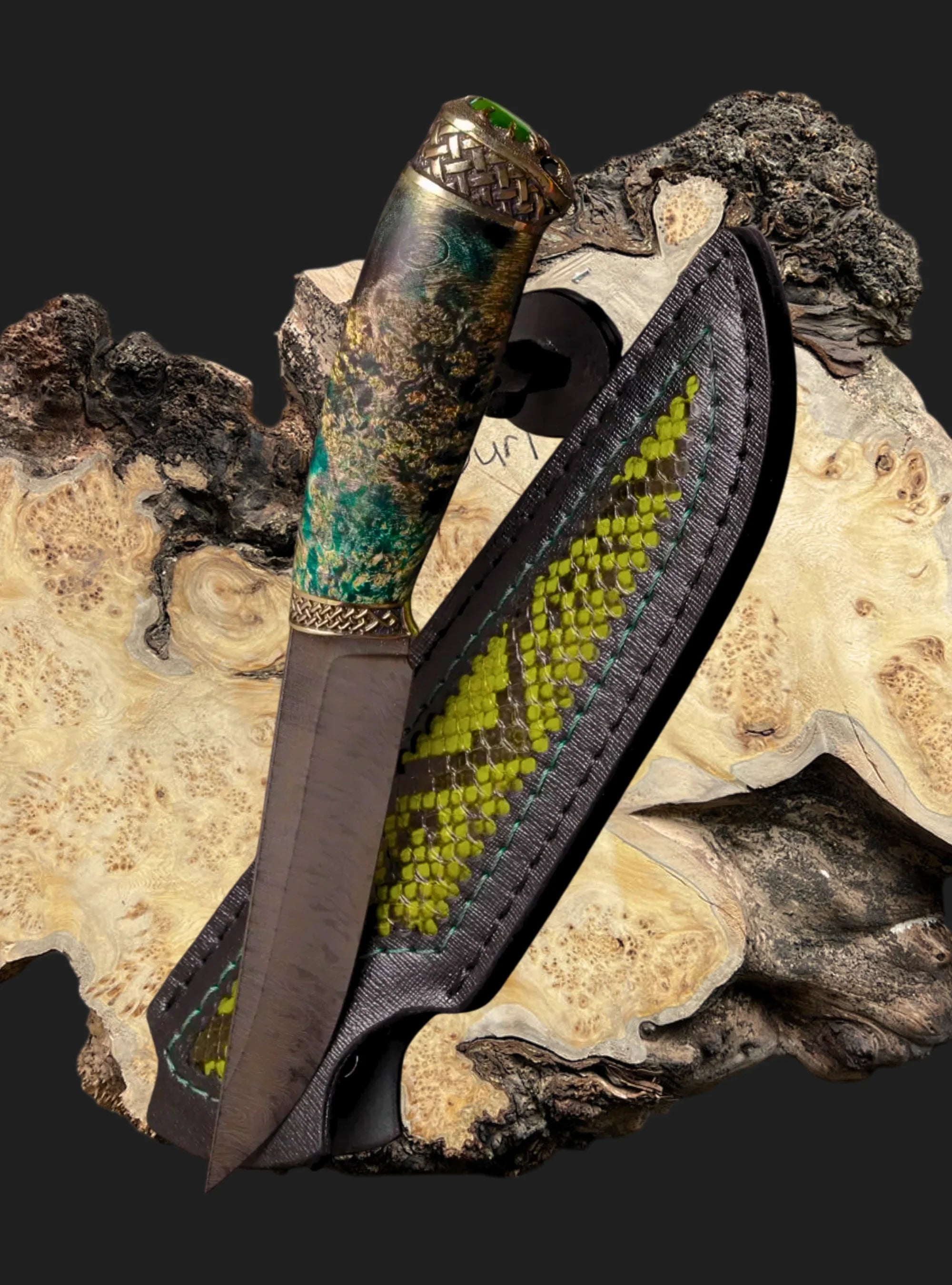
Seamless Transitions Between Blade And Handle of Luxury Knife Signal Quality
Designer Handles of Luxury Knives Complement Damascus or Patterned Steel Blades