

In luxury knife design, the handle is far more than a supporting element—it defines how the knife feels, balances, and presents itself visually. While blade quality is essential for performance, the handle’s material plays a critical role in shaping the overall experience. From weight distribution to tactile comfort and aesthetic richness, material choice directly influences how a knife performs and how it is perceived.
A thoughtfully selected handle material transforms a knife into a harmonious blend of function and artistry.
Material Choice of Luxury Knofe`s Handle Influences Balance, Feel, And Visual Depth
How Handle Materials Affect Balance?
Balance is one of the most important characteristics of a well-designed knife. The relationship between blade weight and handle weight determines how the knife feels in motion and at rest.
Different materials influence this balance:
-
Dense materials (hardwoods, metals) add weight to the handle, stabilizing heavier blades
-
Lightweight materials create a more forward-balanced knife, ideal for precision tasks
-
Balanced combinations ensure even weight distribution for controlled handling
Achieving the right balance allows the knife to feel natural and responsive in the hand.

Tactile Feel and User Comfort
The handle is the primary point of contact, making tactile experience essential. Materials differ significantly in how they feel during use.
Key tactile characteristics include:
-
Smoothness vs. texture for grip control
-
Warmth of natural materials like wood or bone
-
Firmness and density for secure handling
-
Resistance to slipping in various conditions
A well-chosen material enhances comfort, reduces fatigue, and improves overall usability.
Visual Depth and Aesthetic Appeal
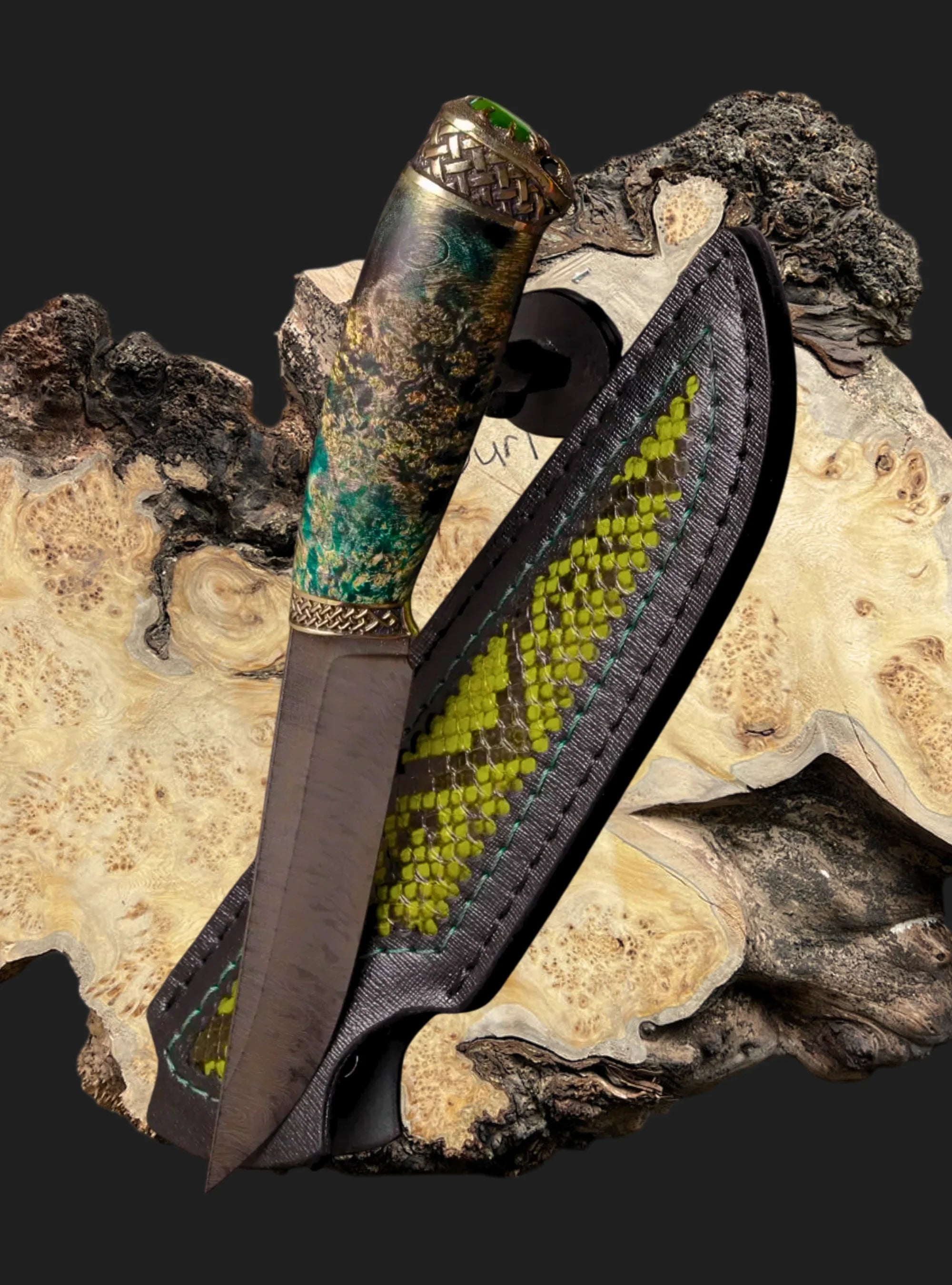
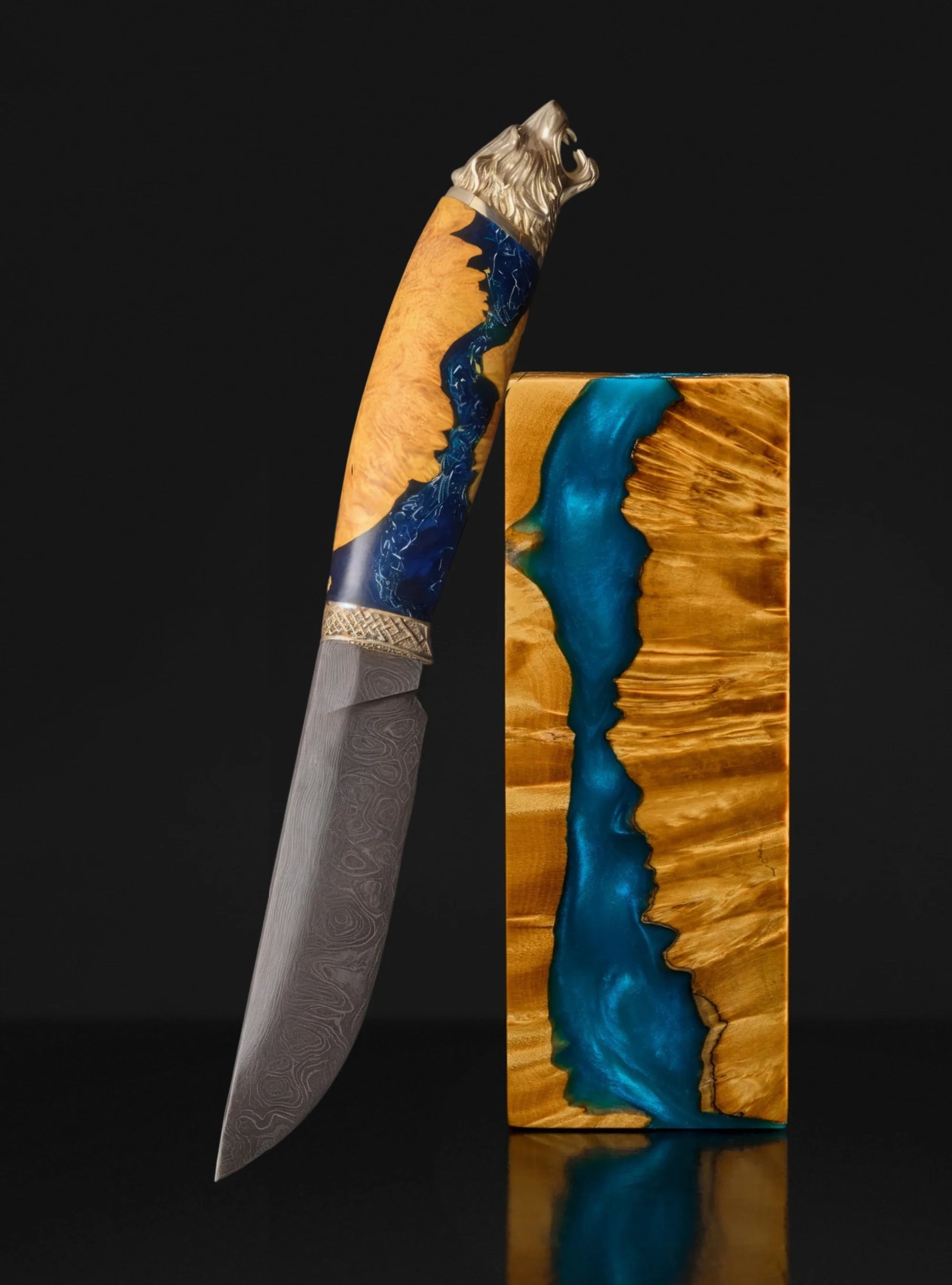
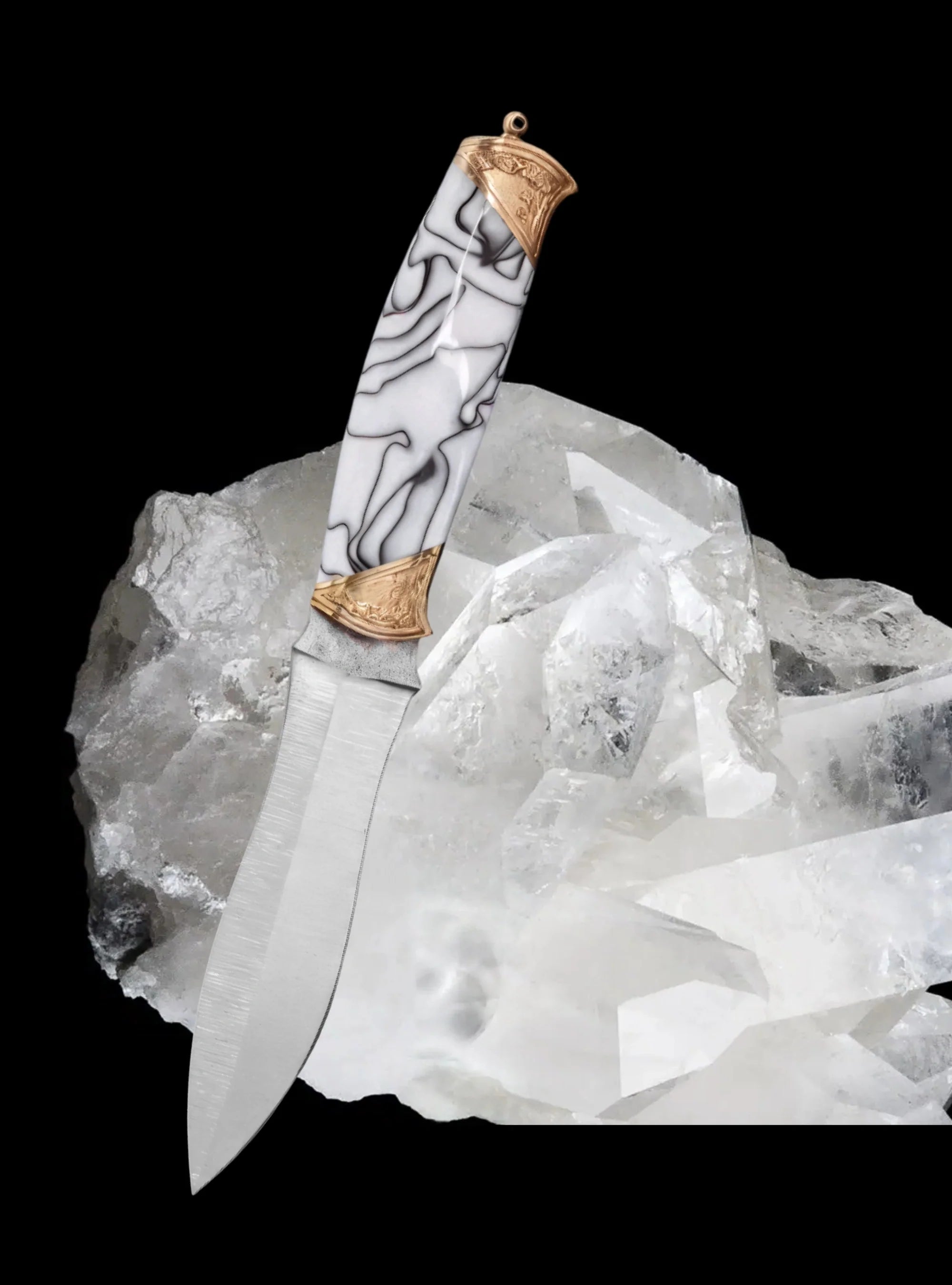
Luxury knives are often appreciated as much for their appearance as their function. Handle materials contribute significantly to visual depth and character.
Examples include:
-
Natural wood grain offering organic patterns and warmth
-
Bone or horn-like materials adding unique texture and variation
-
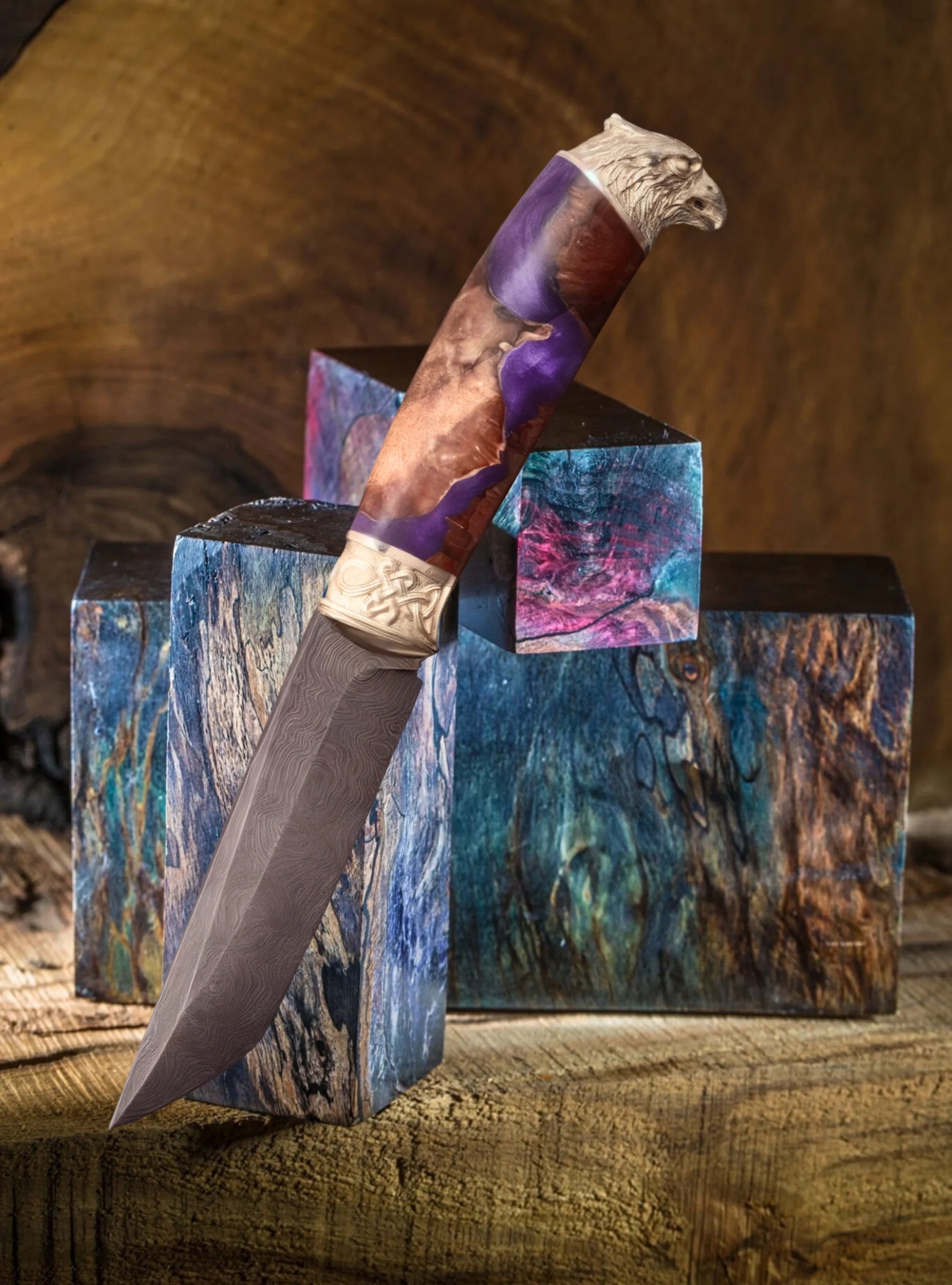
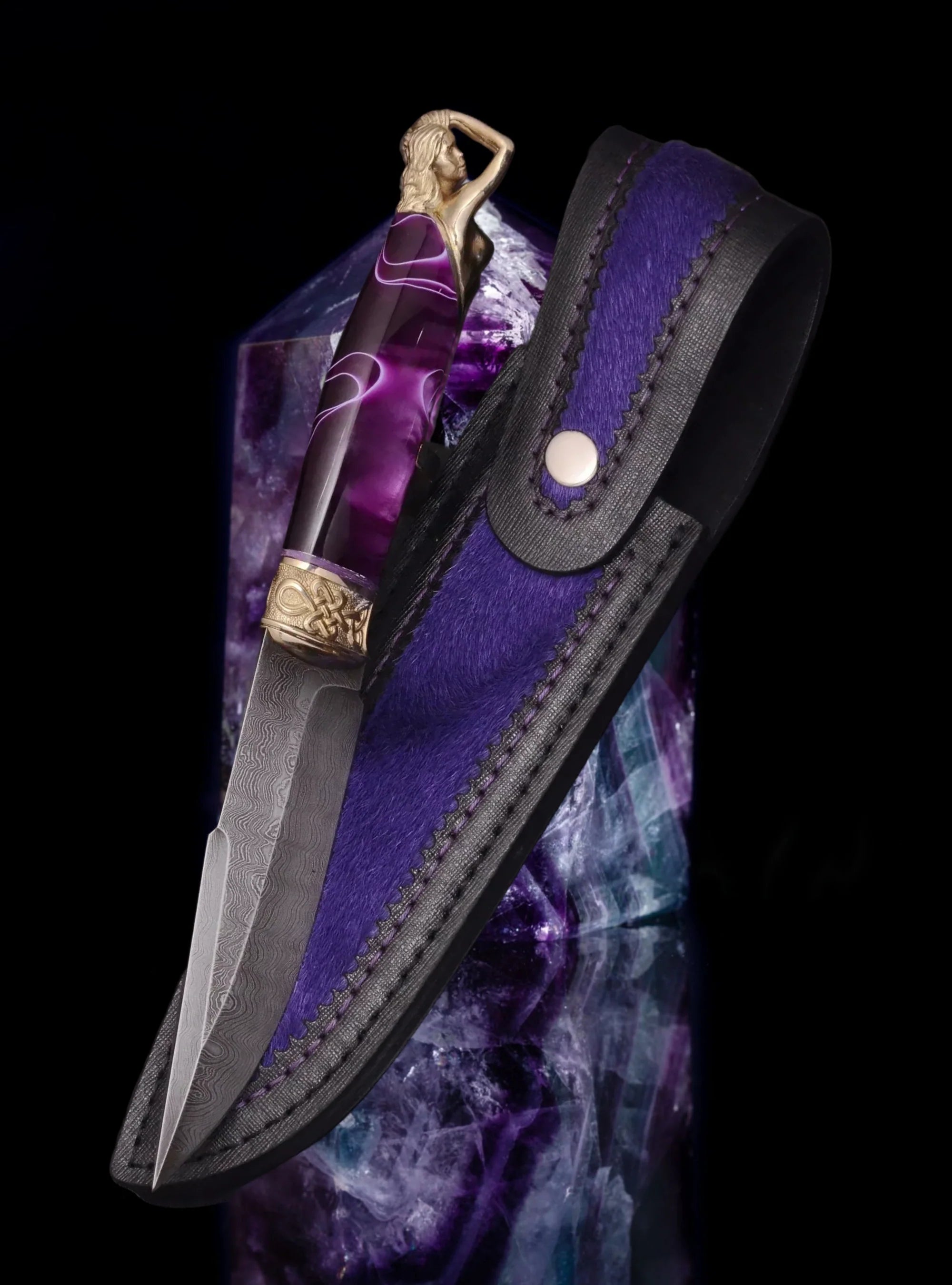
Layered composites creating intricate visual effects
-
Polished finishes enhancing light reflection and detail
These visual elements give each knife a distinct identity, making it stand out as a collectible piece.

Common Handle Materials in Luxury Knives
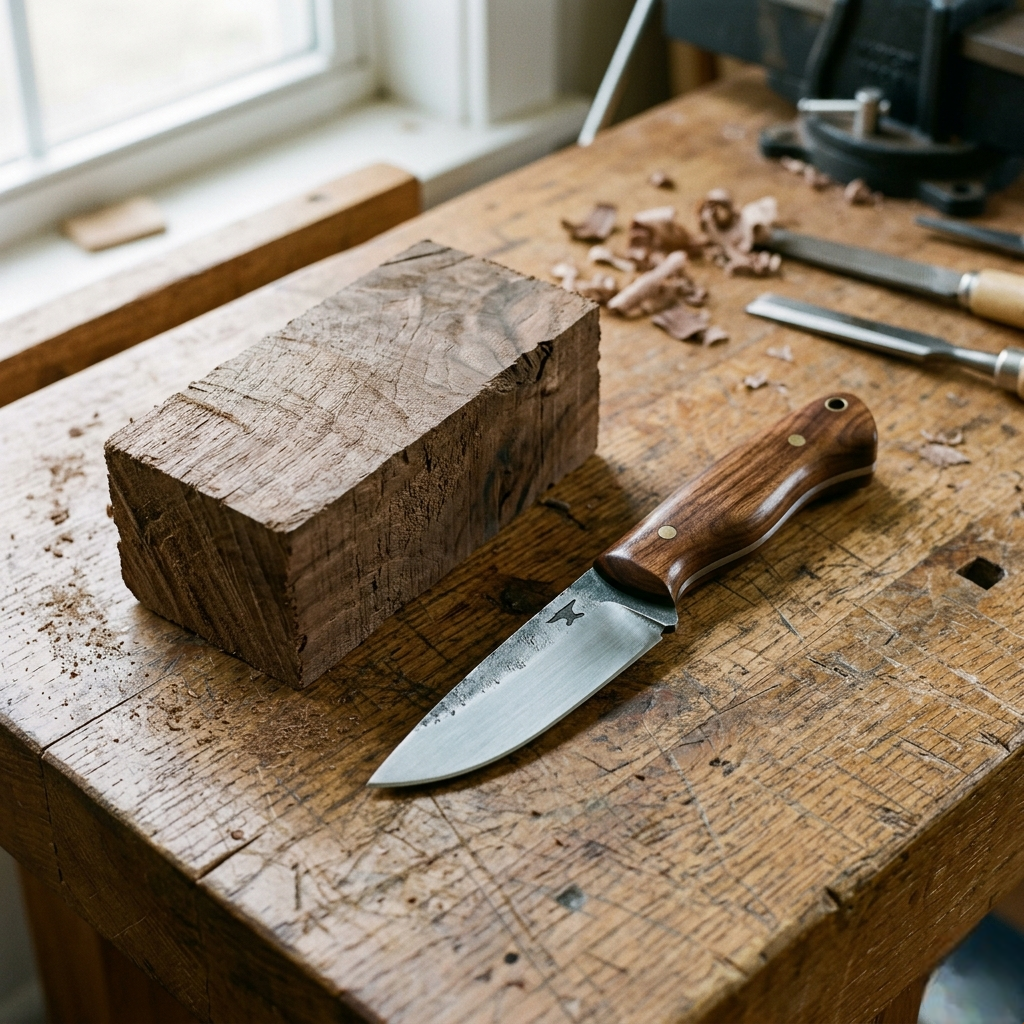
Hardwood
Rich grain patterns and natural warmth make hardwood a popular choice. It offers a balance of durability and visual appeal.
Bone and Horn
These materials provide unique textures and natural variation, often used in traditional or collectible designs.
Metal
Metal handles add strength and a modern aesthetic, though they may increase weight.
Composite Materials
Engineered materials combine durability with design flexibility, often enhancing resistance to moisture and wear.
Craftsmanship and Material Pairing
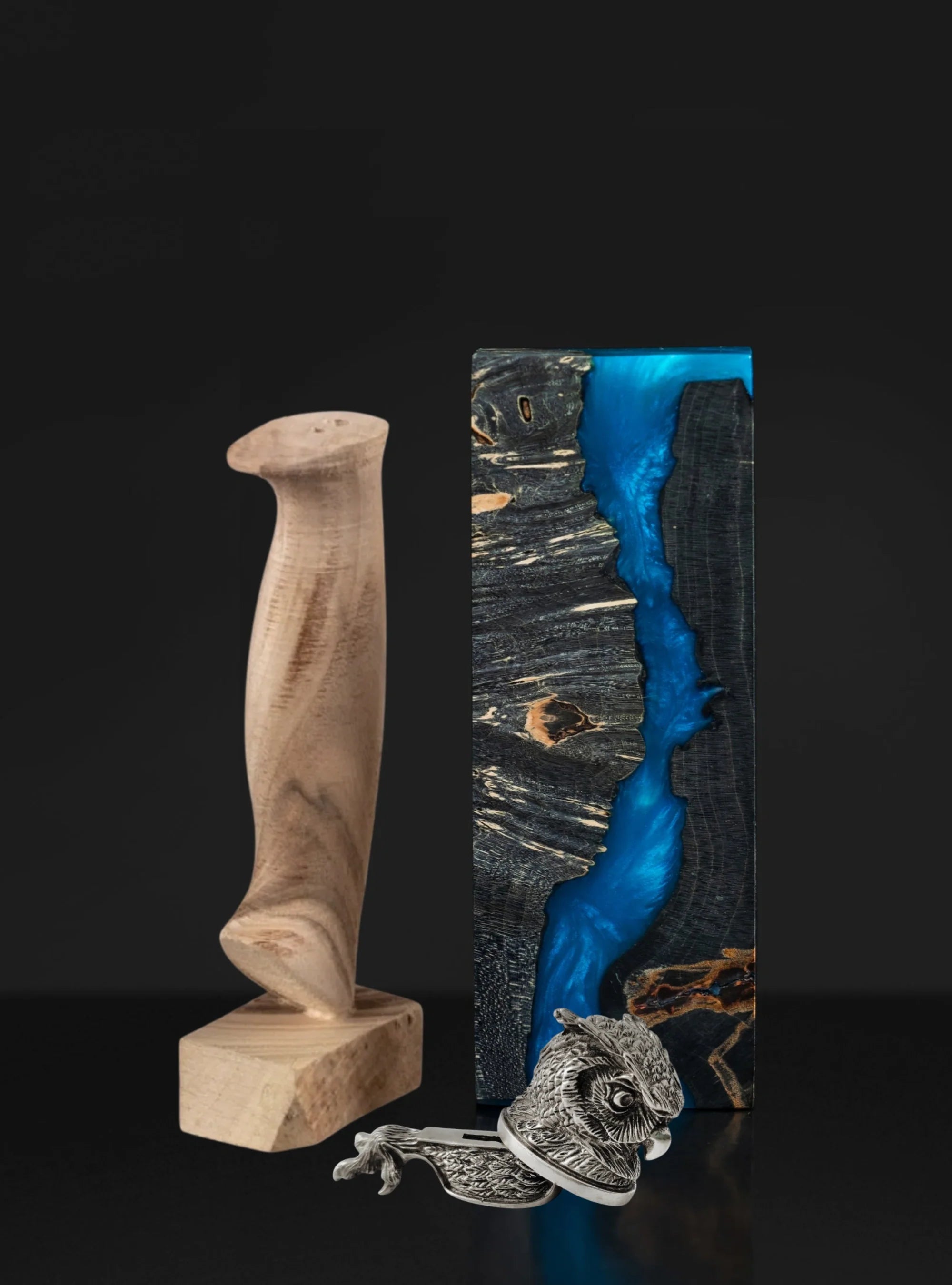
Luxury knife makers carefully match handle materials with blade design. This pairing ensures that the knife performs well while maintaining a cohesive visual style.
Craftsmanship considerations include:
-
Seamless transitions between blade and handle
-
Proper shaping for ergonomic grip
-
Finishing techniques that enhance both durability and appearance
The combination of material choice and skilled craftsmanship defines the final quality of the knife.
Longevity and Aging Characteristics
High-quality handle materials often improve with time. Natural materials may develop patina, deepening their color and character, while well-made composites maintain their structure and finish.
This aging process adds individuality and reinforces the long-term value of a luxury knife.

Conclusion
The material choice of a luxury knife’s handle plays a vital role in its balance, feel, and visual depth. By carefully selecting and crafting handle materials, designers create knives that are comfortable to use, visually striking, and built to last. This attention to detail transforms a simple tool into a refined object that reflects both functionality and artistry.
Frequently Asked Questions
Why is handle material important in a knife?
It affects balance, grip, comfort, and the overall visual appearance of the knife.
What material provides the best grip?
Textured natural materials and certain composites offer better grip, especially in varying conditions.
Do heavier handles improve performance?
They can improve balance for certain blade types, but the ideal weight depends on intended use.
Are natural materials better than synthetic ones?
Both have advantages—natural materials offer unique aesthetics, while synthetics provide durability and consistency.
Do knife handles change over time?
Yes. Natural materials may develop patina, enhancing their appearance, while high-quality synthetics maintain their original look longer.
Share:
Collectible Luxury Knives Combine Precision Engineering With Artistic Craft
How to Identify Quality Materials Of Luxury Knives?