

When it comes to luxury knives, materials are not just a detail—they define performance, durability, balance, and visual appeal. Whether you’re buying your first premium knife or expanding a collection, understanding how to identify high-quality materials is essential. It allows you to distinguish true craftsmanship from superficial design and ensures long-term value.
A well-made luxury knife reflects thoughtful material selection, where every component serves both function and aesthetics.
How to Identify Quality Materials Of Luxury Knives?
Why Material Quality Matters?
The materials used in a knife directly influence:
-
Cutting performance
-
Durability and longevity
-
Balance and handling
-
Resistance to wear and corrosion
-
Overall visual character
High-quality materials ensure the knife performs consistently while maintaining its appearance over time.

Blade Materials: What to Look For
The blade is the functional core of the knife, and its material determines cutting efficiency and edge retention.
Key Indicators of Quality:
-
Consistent finish with no visible imperfections
-
Sharp, even edge geometry
-
Good edge retention without frequent sharpening
-
Resistance to corrosion and staining
Premium blades are typically crafted from high-grade steels that balance hardness with flexibility, preventing brittleness while maintaining sharpness.
Handle Materials: The Feel of Quality
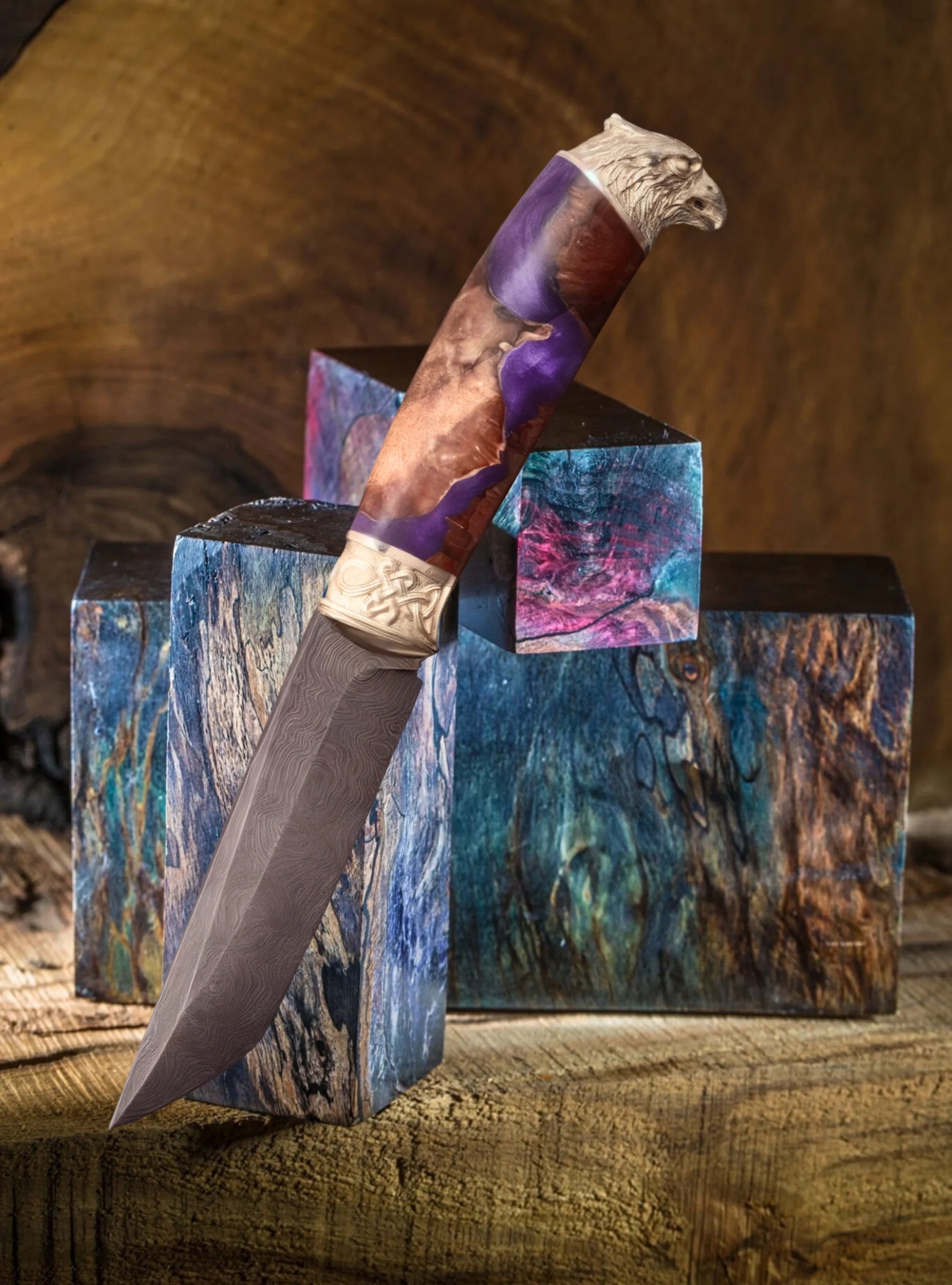
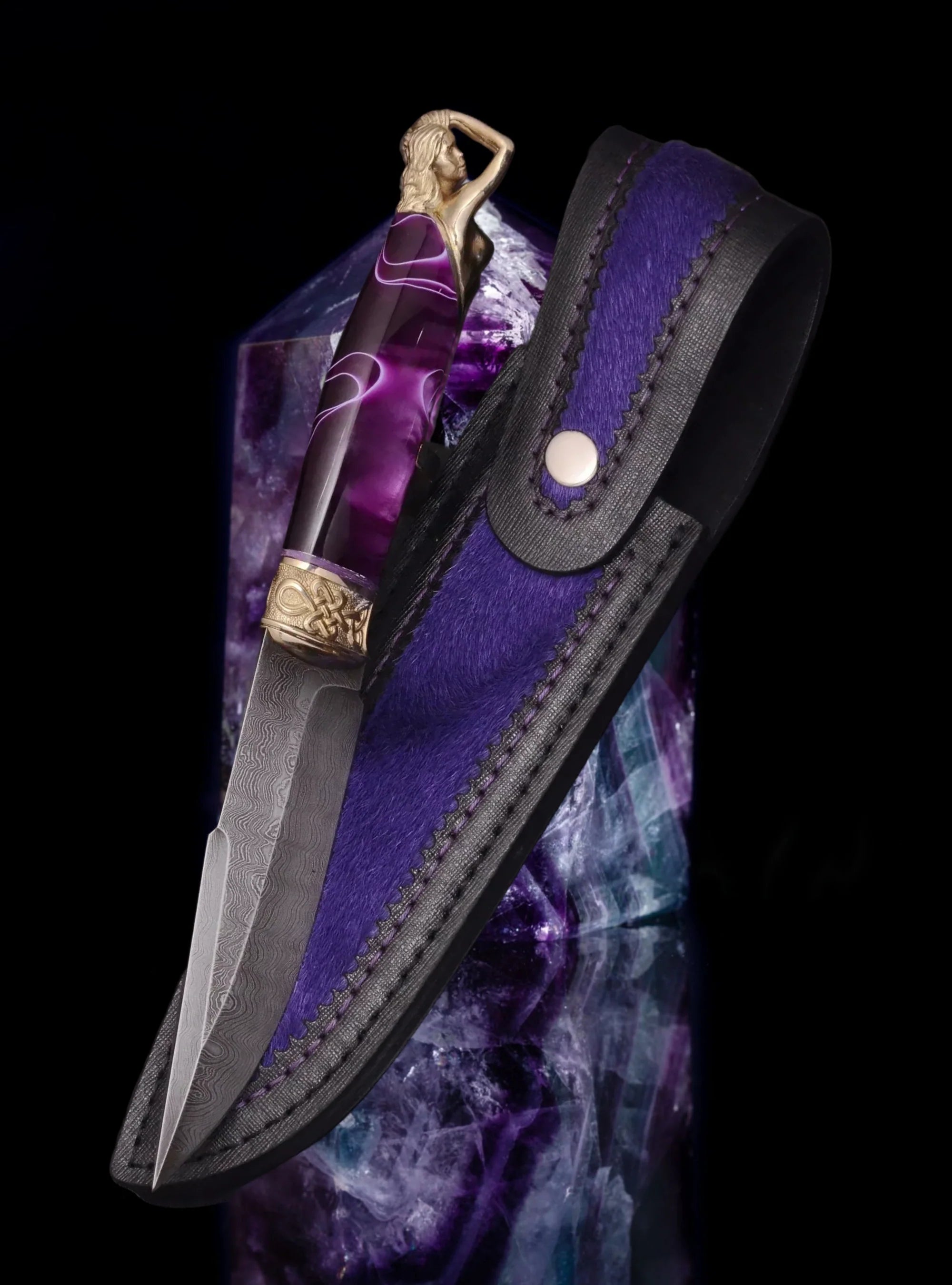
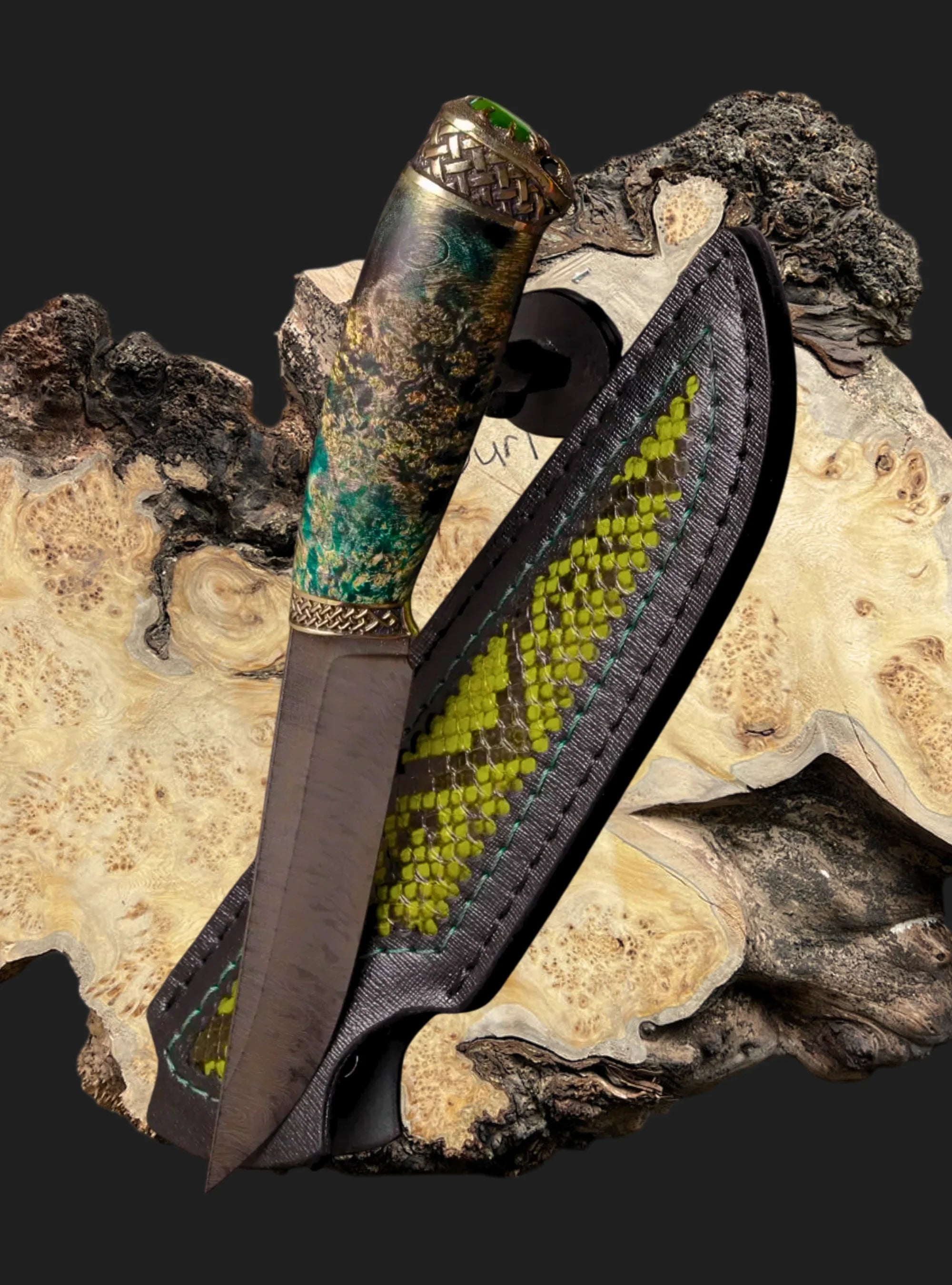
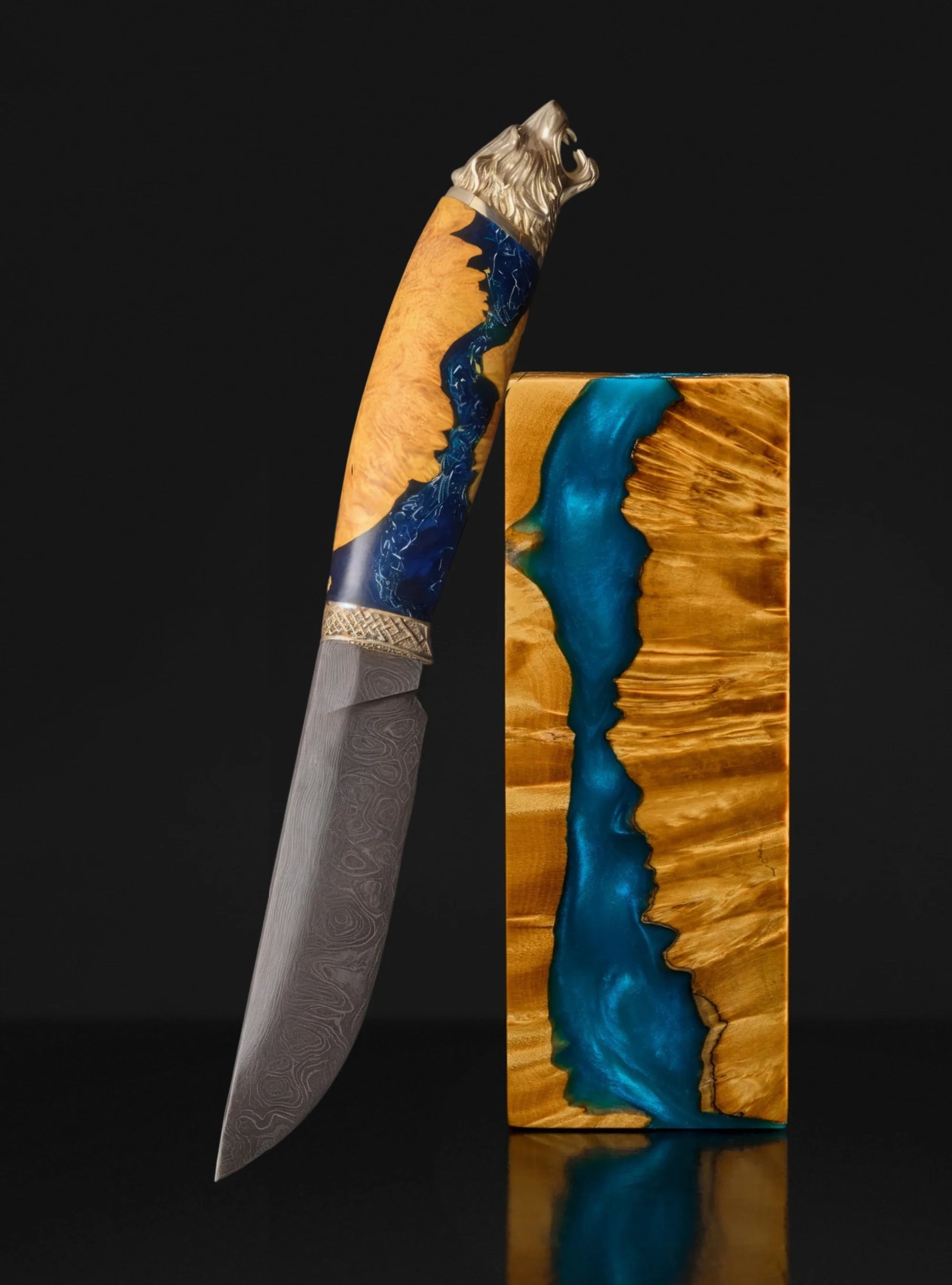
The handle defines comfort, grip, and the overall user experience. In luxury knives, handle materials are carefully selected for both tactile and visual qualities.
High-Quality Handle Characteristics:
-
Smooth but secure grip
-
Even texture and finish
-
No gaps or misalignment with the blade
-
Durability under regular use
Common Premium Materials:
-
Natural woods – valued for warmth and unique grain patterns
-
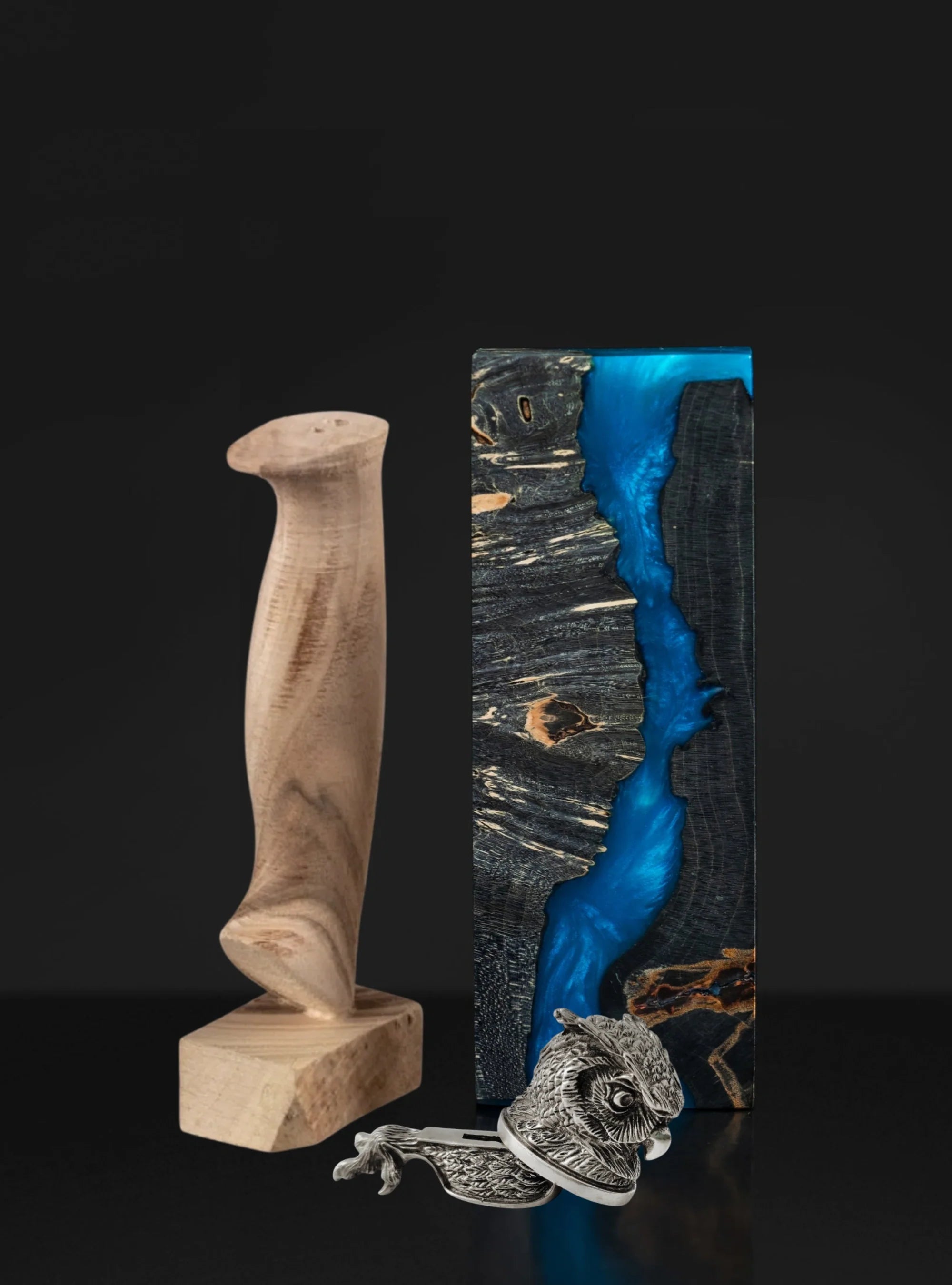
Stabilized wood – enhanced durability and resistance to moisture
-
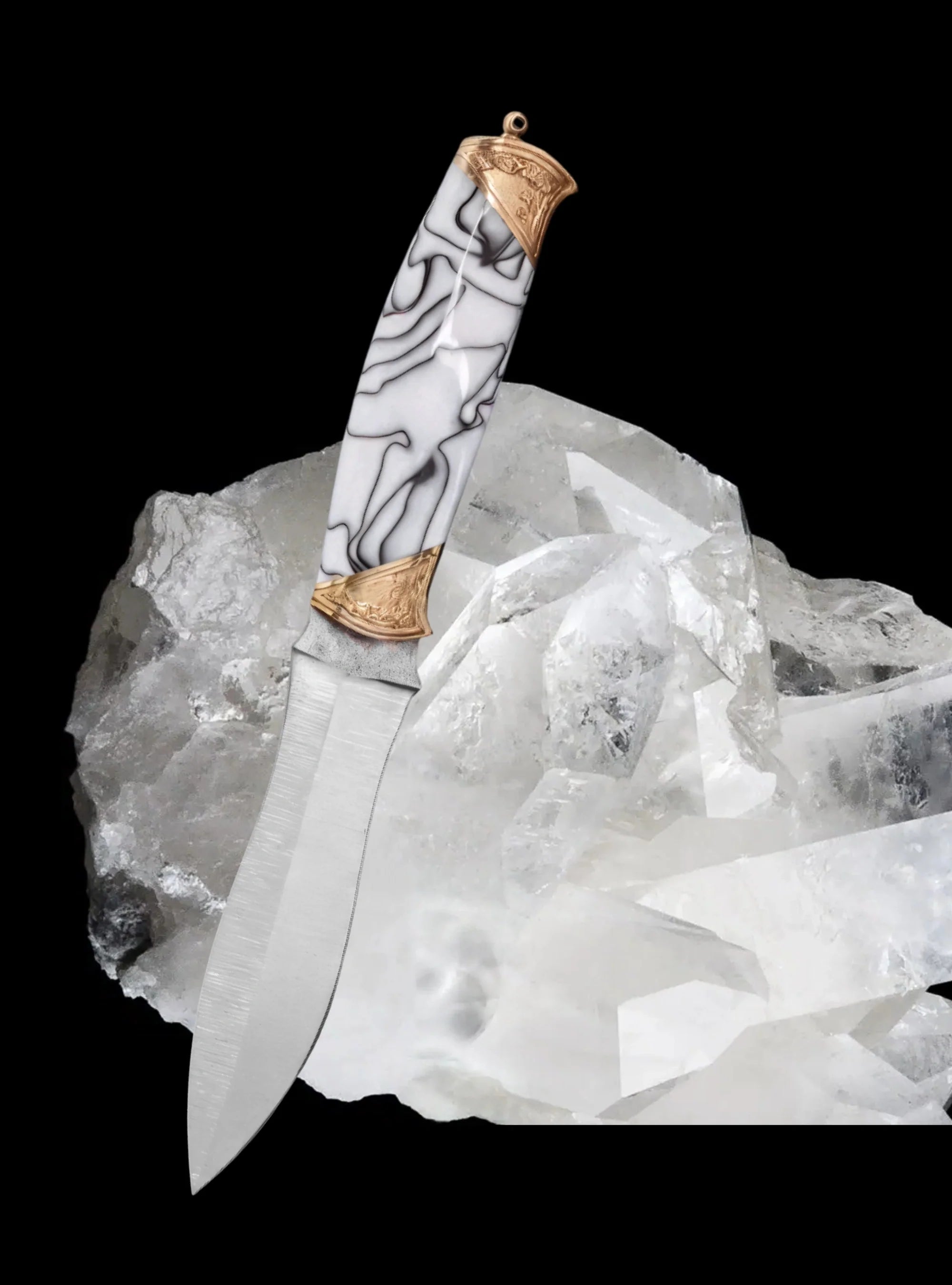
Composite materials – engineered for strength and consistency
-
Metal accents – used for structure and modern aesthetics
A quality handle feels balanced, comfortable, and refined in the hand.

Fit and Finish: The Hidden Details
One of the clearest signs of a luxury knife is the precision of its construction.
What to Check:
-
Seamless connection between blade and handle
-
Even alignment with no visible gaps
-
Smooth transitions between materials
-
Consistent polishing or finishing
Poor fit and finish often indicate lower-quality materials or rushed production.
Weight and Balance as Material Indicators
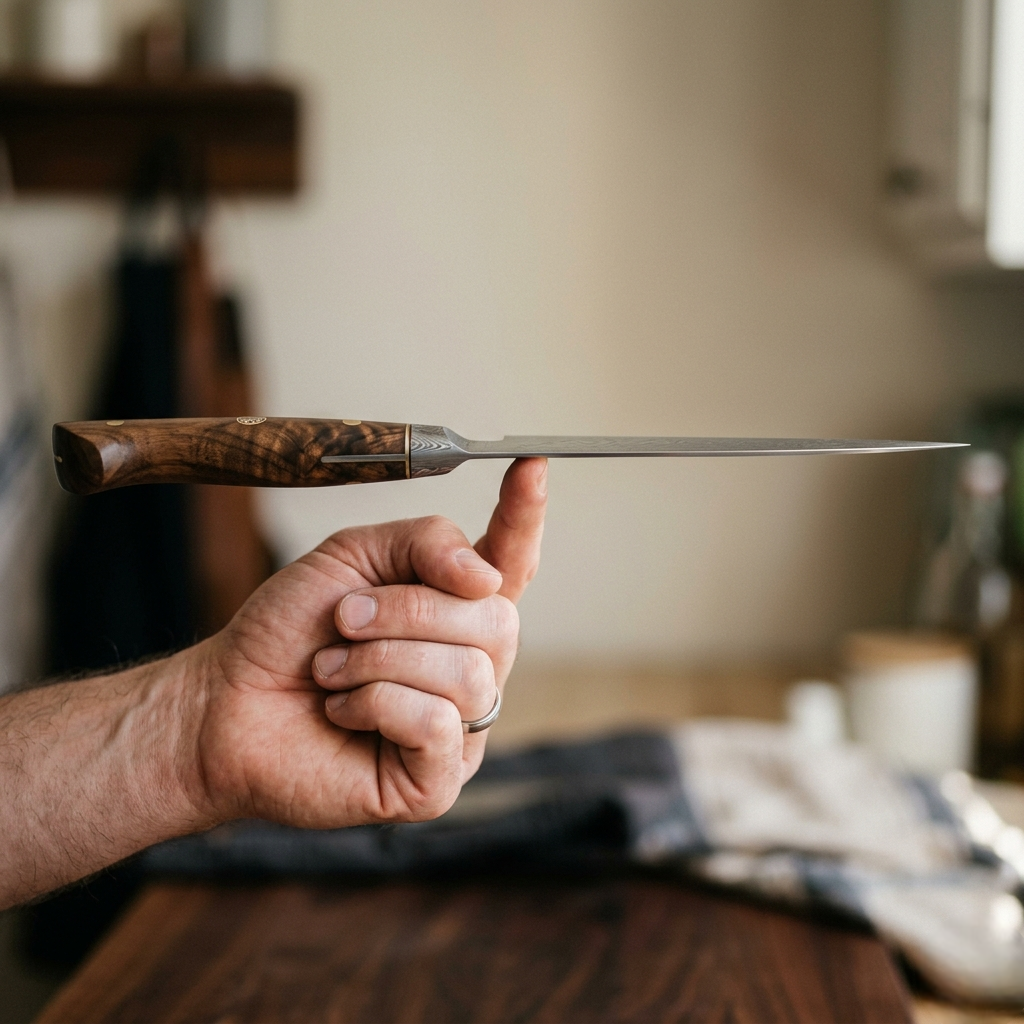
Material choice directly affects the knife’s balance. A well-balanced knife feels natural and controlled.
Signs of Good Balance:
-
Weight evenly distributed between blade and handle
-
Comfortable handling without strain
-
Stability during use
If a knife feels too heavy in one area, it may indicate poor material pairing.
Durability and Aging Characteristics
High-quality materials do not just last—they improve with time.
-
Natural materials may develop a rich patina
-
Premium metals maintain structural integrity
-
Well-treated handles resist cracking and wear
Materials that age gracefully are a hallmark of true luxury.
Red Flags to Avoid
When evaluating a knife, watch for signs of low-quality materials:
-
Uneven or rough finishes
-
Loose or poorly fitted handles
-
Overly lightweight or unbalanced feel
-
Artificial-looking textures meant to mimic natural materials
-
Visible glue lines or gaps
These issues often point to compromised quality.
Practical Evaluation Checklist
Before purchasing, use this quick checklist:
-
✔ Blade finish is smooth and consistent
-
✔ Edge appears precise and sharp
-
✔ Handle feels comfortable and secure
-
✔ Materials look authentic and well-finished
-
✔ Knife feels balanced in hand
-
✔ No visible gaps or defects
This simple evaluation can help you make a confident decision.
The Role of Craftsmanship
Even the best materials require skilled craftsmanship to reach their full potential. In luxury knives, materials and craftsmanship work together to create a product that performs beautifully and looks refined.
Attention to detail—from shaping the handle to finishing the blade—ensures that every element contributes to the overall quality.

Conclusion
Identifying quality materials in luxury knives involves more than recognizing premium components—it requires understanding how those materials are selected, combined, and finished. From blade performance to handle comfort and long-term durability, each detail plays a role in defining true quality.
By focusing on material integrity, balance, and craftsmanship, you can confidently choose knives that offer both performance and lasting value.
Frequently Asked Questions
What is the most important material in a knife?
The blade material is critical for performance, but handle materials are equally important for comfort and balance.
Are natural handle materials better than synthetic ones?
Both have advantages—natural materials offer unique aesthetics, while synthetics provide consistency and durability.
How can I tell if a knife is well-balanced?
It should feel stable in hand, with weight evenly distributed between blade and handle.
Do expensive materials always mean better quality?
Not necessarily. Quality depends on how materials are processed and assembled, not just their type.
Can low-quality materials affect safety?
Yes. Poor materials can lead to structural weakness, reduced grip, and unreliable performance.
Share:
Material Choice of Luxury Knofe`s Handle Influences Balance, Feel, And Visual Depth
Why Handmade Luxury Knives Matter?