

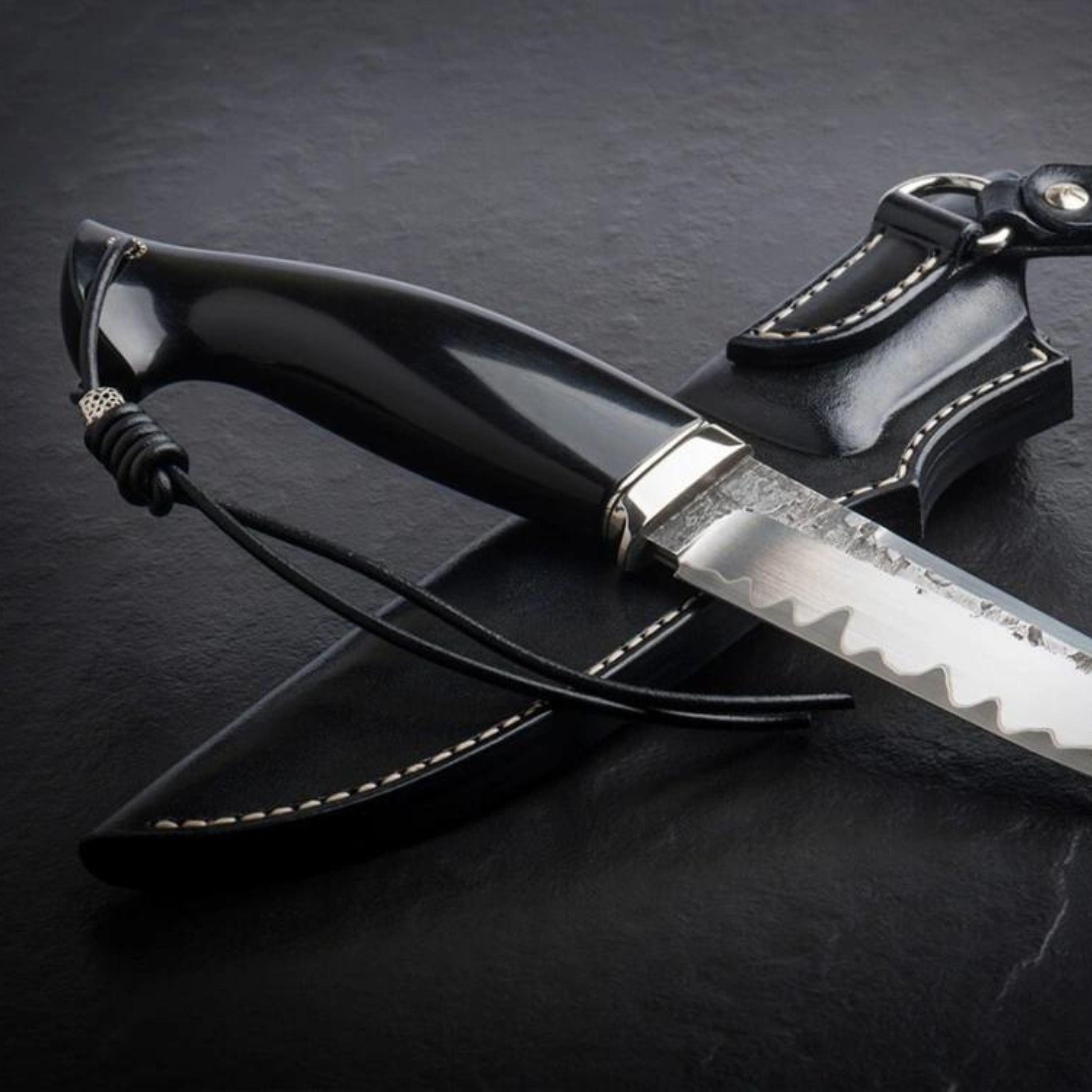
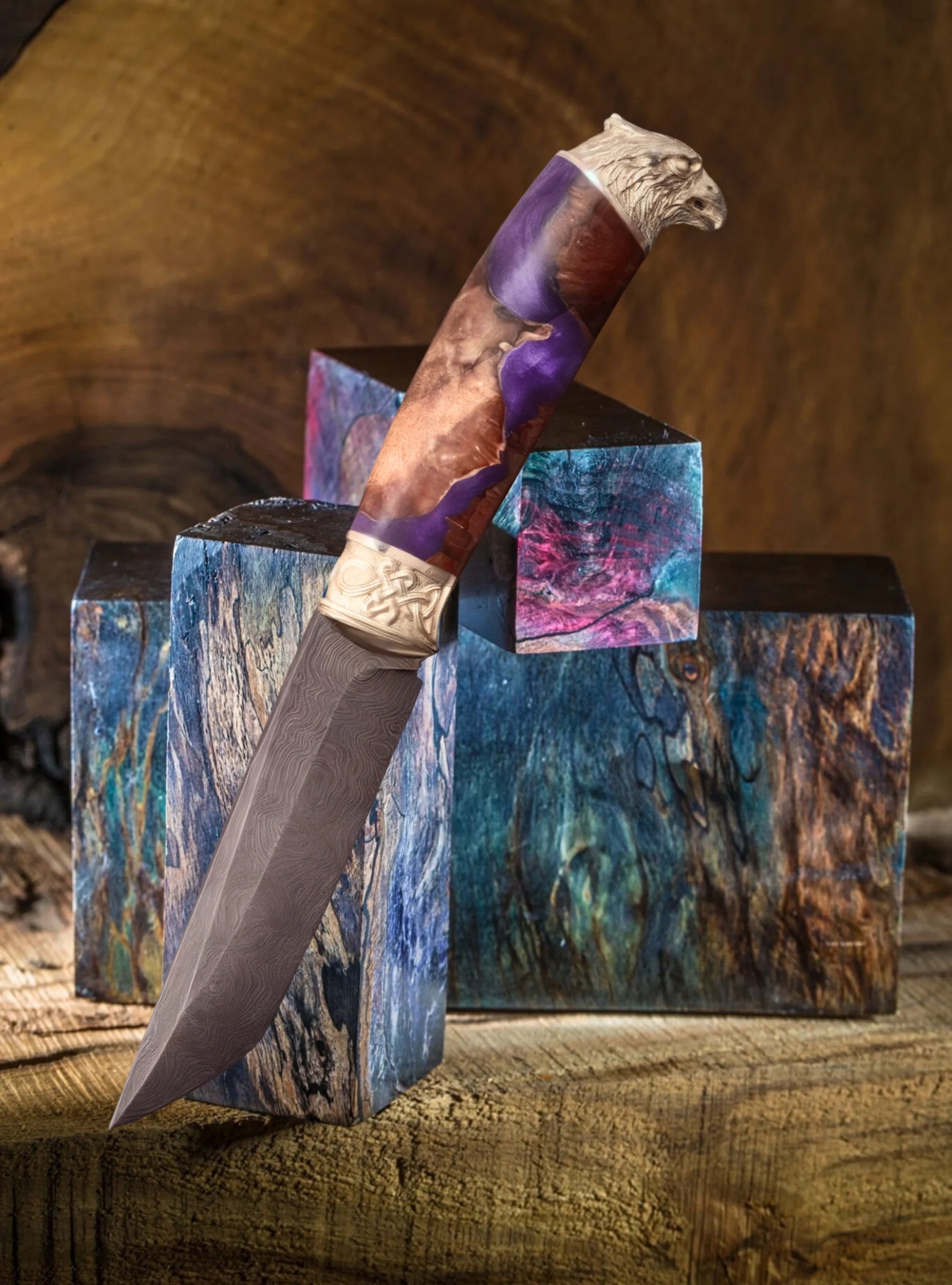
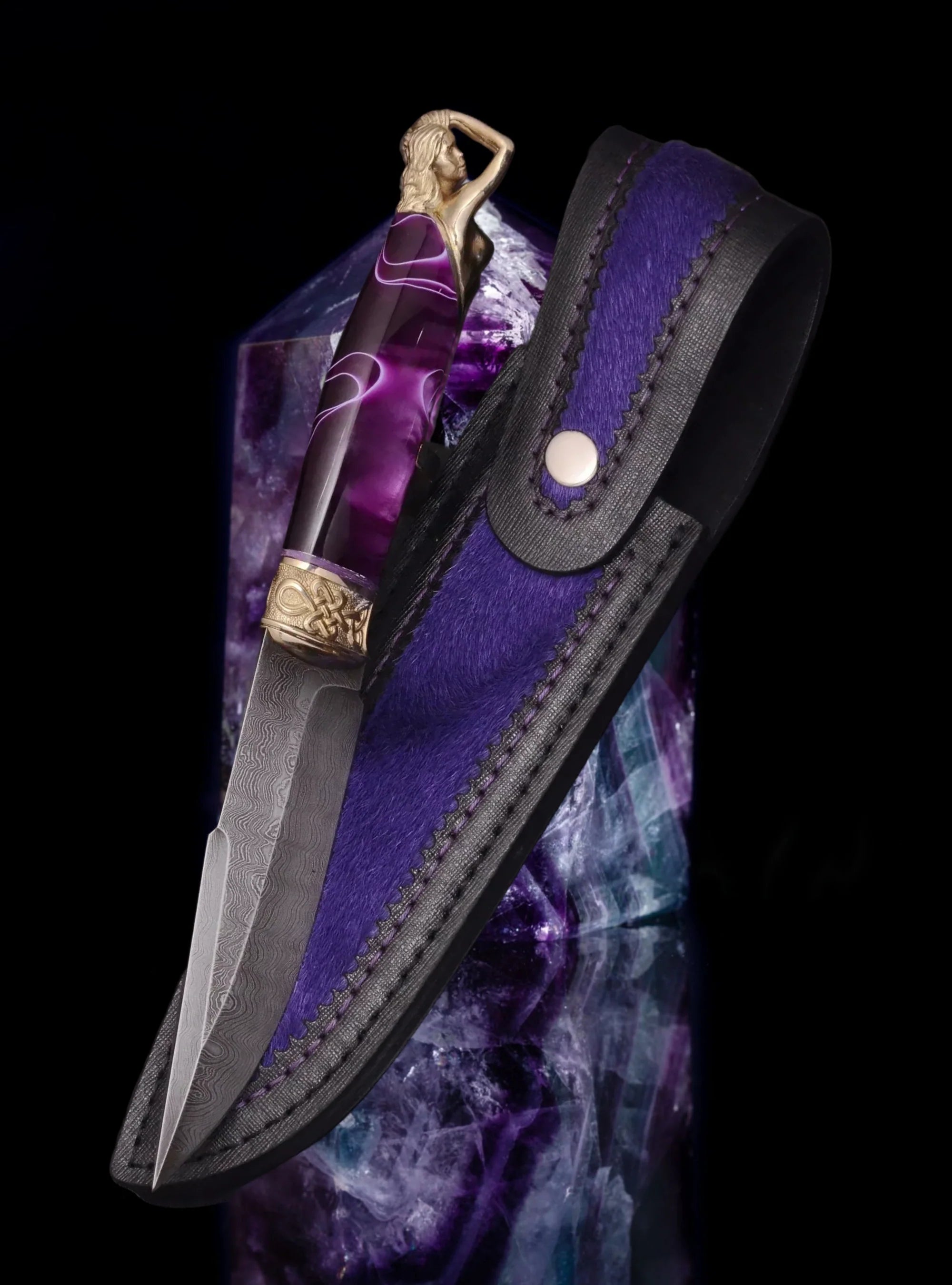
Starting a designer knife collection is less about buying “sharp objects” and more about building a curated set of functional art pieces. The best collections balance craftsmanship, materials, heritage, and personal taste. Whether you’re interested in folding knives, fixed blades, or modern custom pieces, the right approach will save you money and help you build a collection with long-term value.
Below is a structured guide to help you start the right way.
How to Start a Designer Knife Collection?
1. Define Your Collection Focus Early
The most successful collections have a clear theme. Without one, it’s easy to buy randomly and end up with mismatched pieces that lack identity.
Common directions include:
- Custom folding knives (EDC-focused)
- Tactical and modern design knives
- Traditional handcrafted blades
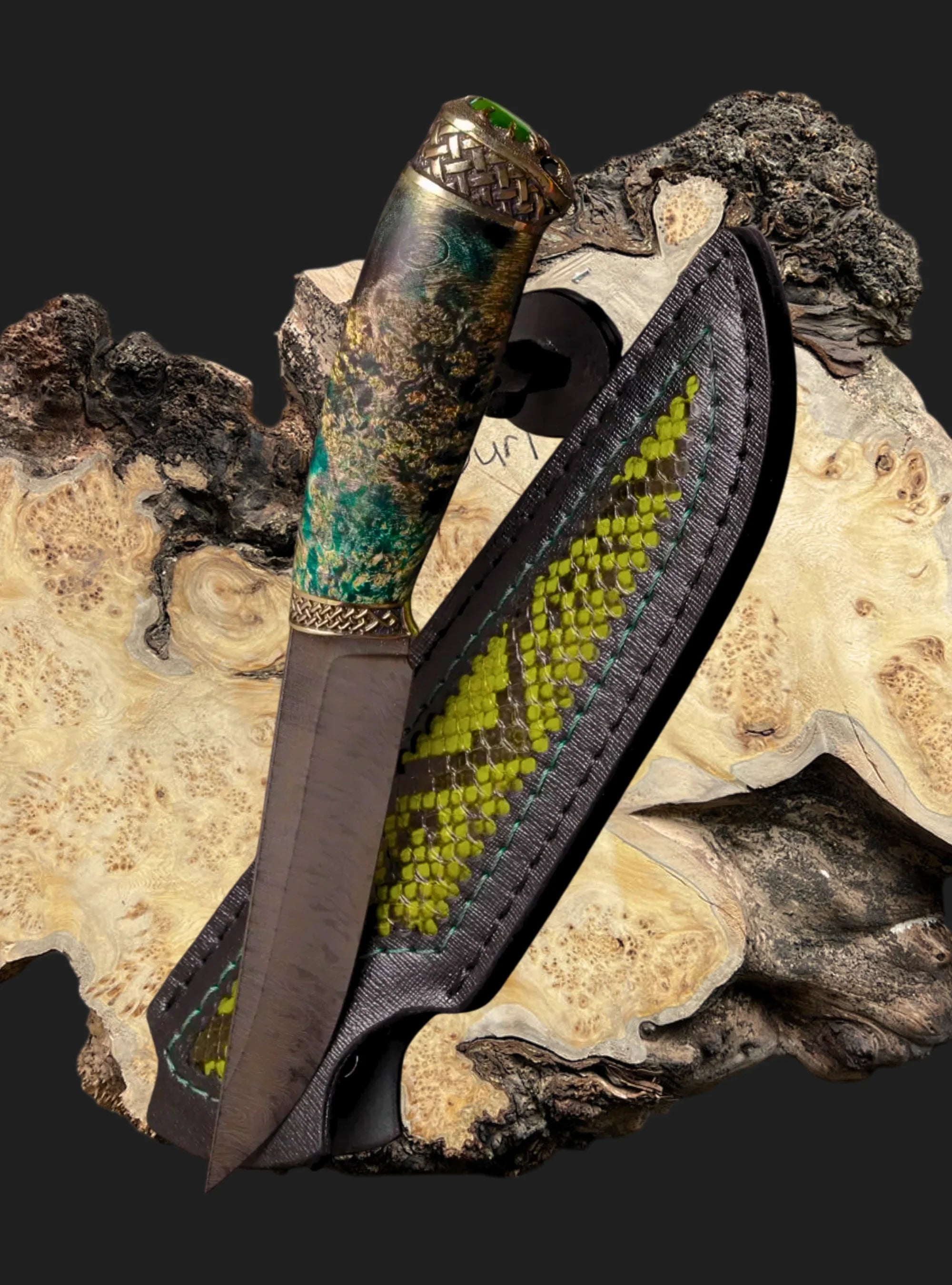
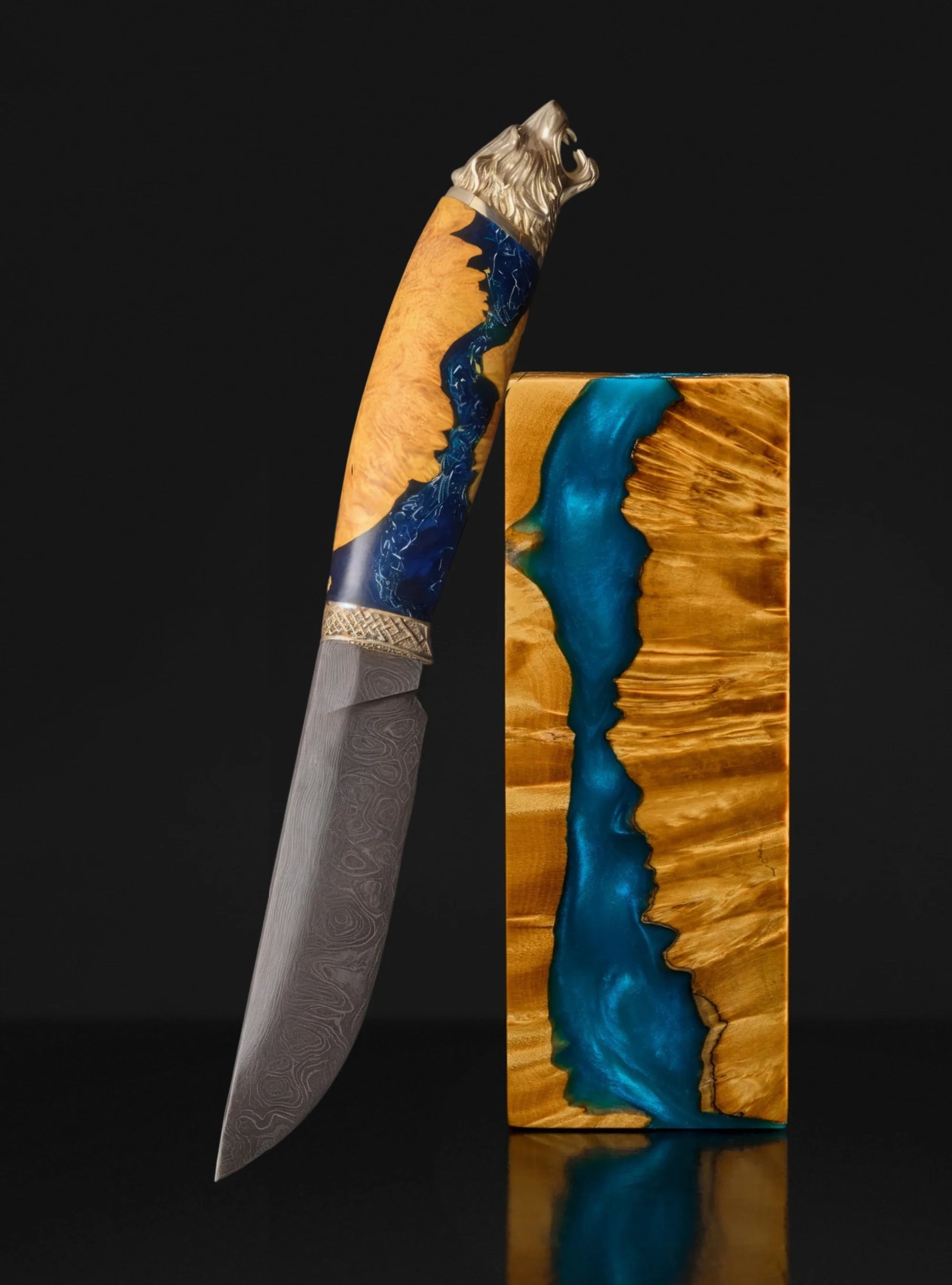
- Art knives with engraving or exotic materials
- Minimalist Scandinavian-inspired designs
A focused theme helps you develop expertise faster and makes your collection more valuable over time.

2. Learn What Makes a Knife “Designer-Level”
Not every expensive knife qualifies as a collectible. Designer knives are defined by intentional craftsmanship and design language.
Key value indicators:
- Blade steel quality (edge retention, corrosion resistance)
- Handle materials (wood, titanium, carbon fiber, micarta)
- Fit and finish precision
- Locking mechanism quality (for folding knives)
- Maker reputation or brand legacy
A strong collection is built on understanding why a knife is special, not just how it looks.
3. Start Small, but Buy Smart
A common beginner mistake is buying too many low-quality pieces early on.
Instead:
- Start with 2–4 high-quality knives
- Prioritize craftsmanship over quantity
- Avoid impulse purchases from trends
A smaller, intentional collection is easier to maintain and far more valuable long-term.
4. Study Knife Makers and Brands
Understanding the people behind the knives is a major part of collecting.
Look into:
- Independent custom makers
- Established luxury brands
- Limited production workshops
Research their design philosophy, materials, and signature styles. Over time, you’ll start recognizing craftsmanship differences instantly.
5. Learn How to Handle and Maintain Knives Properly
Collectors often overlook maintenance, but it directly affects value.
Basic care includes:
- Regular cleaning after handling
- Proper oiling for carbon steel blades
- Safe storage away from humidity
- Using protective cases or display stands
Well-maintained knives retain both performance and resale value.

6. Avoid Overpaying for Hype
Not all “limited edition” knives are worth collecting.
Be cautious of:
- Artificial scarcity marketing
- Inflated resale prices
- Influencer-driven trends without craftsmanship value
Instead, focus on design integrity and maker reputation.
7. Store Your Collection Like an Asset
Storage matters more than most beginners realize.
Good practices:
- Use padded display cases or knife rolls
- Avoid moisture exposure
- Keep blades separated to prevent scratches
- Control temperature and humidity
Proper storage protects both aesthetics and long-term value.
8. Join Knife Collecting Communities
Learning from experienced collectors accelerates your growth.
You’ll gain insights on:
- Rare finds and hidden gems
- Fair pricing in secondary markets
- Maintenance techniques
- Upcoming makers worth watching
9. Document Your Collection
High-level collectors track their pieces.
You can document:
- Purchase date and price
- Maker information
- Materials and specs
- Personal notes or impressions
This builds a personal archive and helps you understand your collection’s evolution.

10. Think Long-Term, Not Impulse
A strong collection grows over years, not weeks. Each addition should feel intentional and aligned with your theme.
Ask yourself before buying:
- Does this fit my collection focus?
- Is the craftsmanship truly unique?
- Would I still value it in 5 years?
Final Thoughts
Starting a designer knife collection is a balance of taste, knowledge, and patience. The best collections are not the biggest — they are the most intentional. When you focus on craftsmanship, materials, and consistency, your collection becomes more than objects; it becomes a curated expression of design appreciation.
Share:
How Craftsmanship Affects Value of Designer Knife?
Upgrade Your Exclusive Knife Collection