

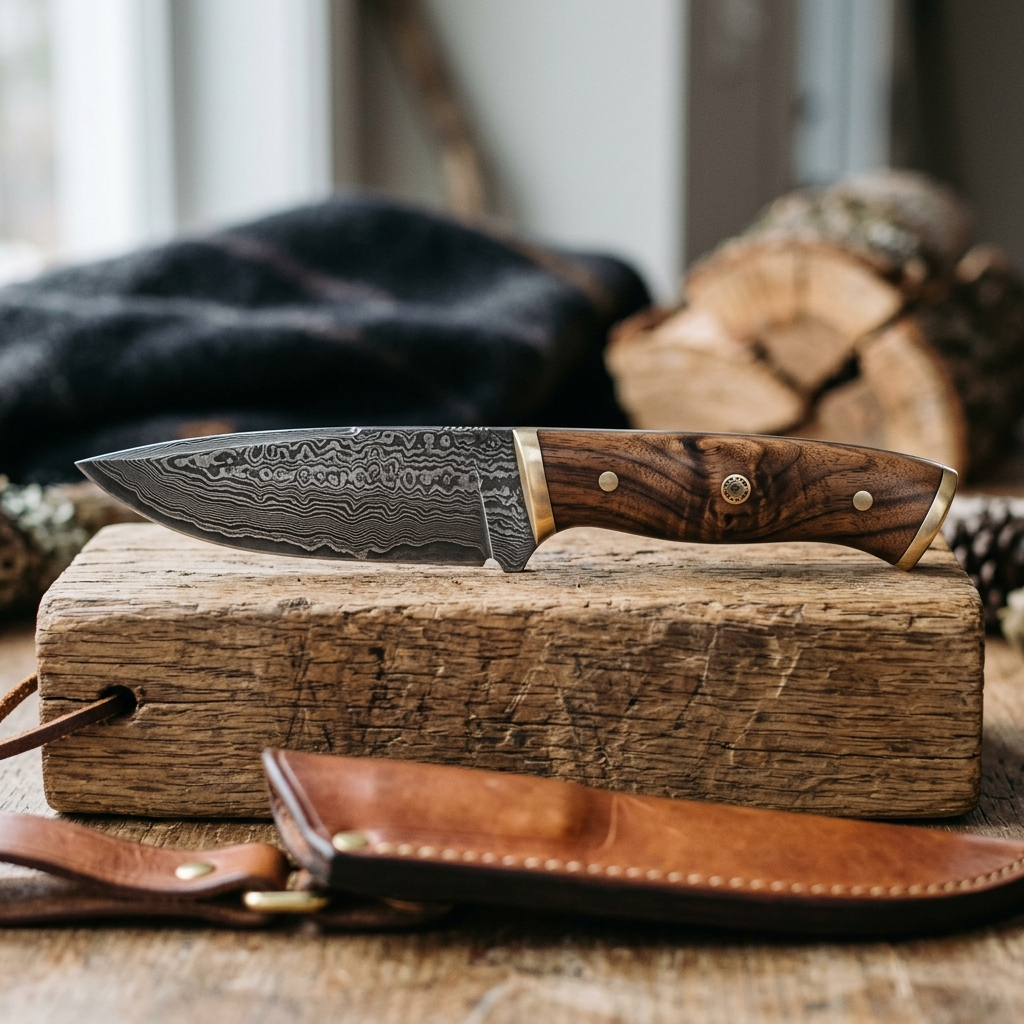
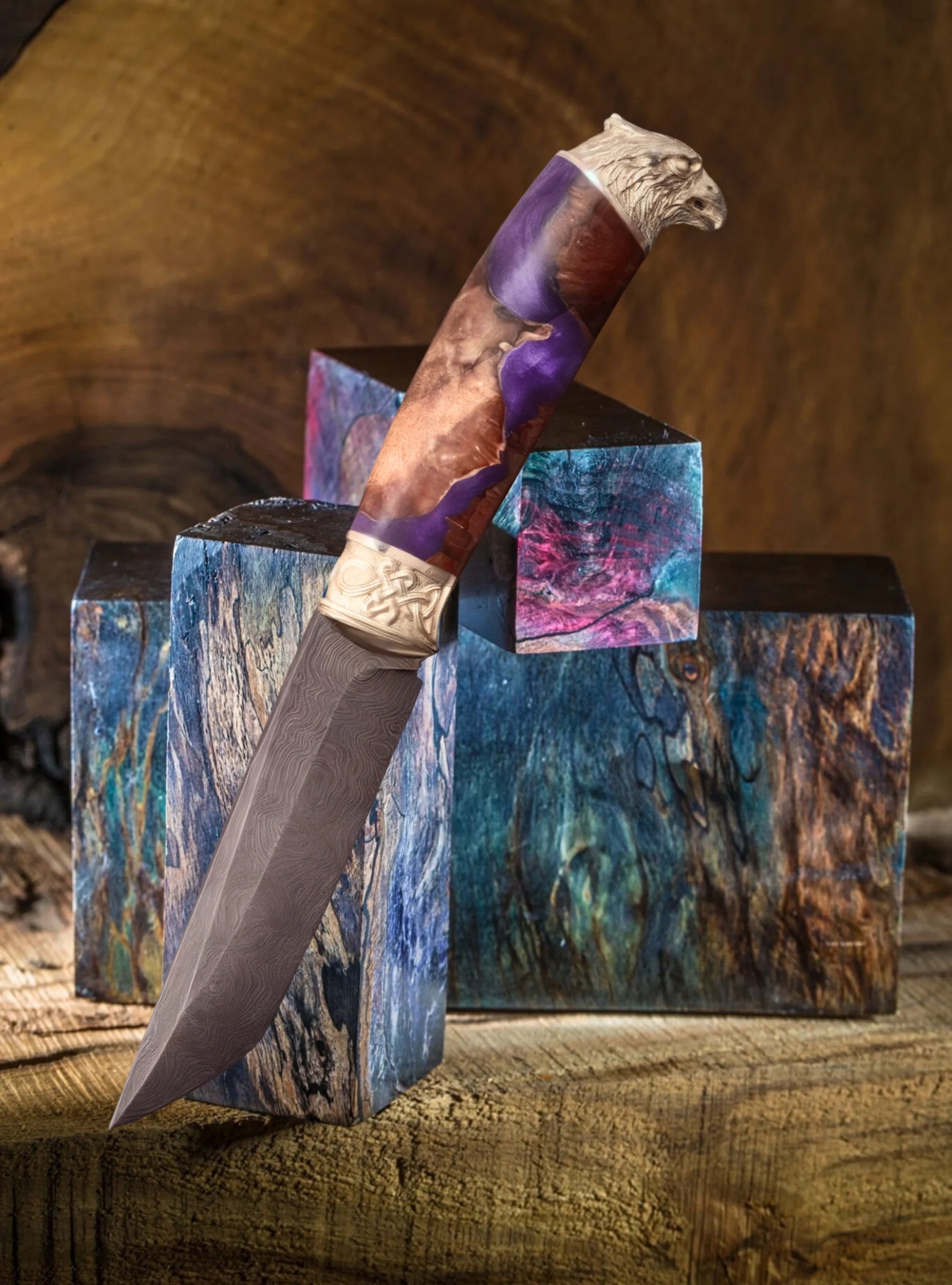
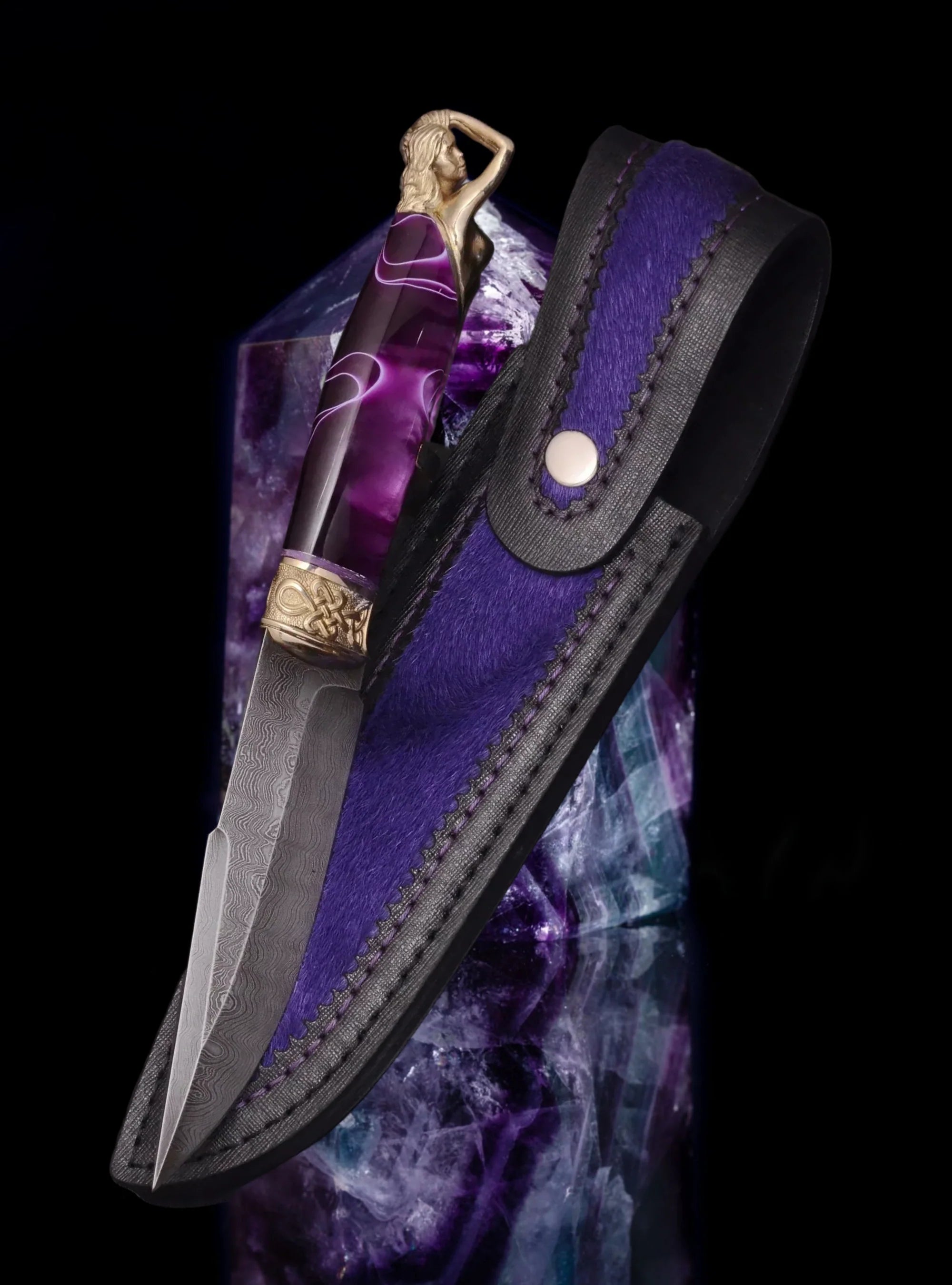
Color in knife design is often underestimated, yet it plays a powerful role in perception, identity, and emotional impact. Whether a knife is created for collecting, display, or refined everyday use, the right color combination can transform it from a simple tool into a visually striking piece of craftsmanship.
This guide explores how color works in knife design and how to approach combinations with intention.
Color Combinations in Knife Design
Why Color Matters in Knife Design?
Color influences how a knife is perceived before it is ever held.
It affects:
- Visual balance
- Perceived quality
- Emotional response
- Design harmony
A well-composed color palette creates a sense of cohesion and refinement, while poor choices can make even high-quality craftsmanship feel unpolished.

1. Contrast vs Harmony
One of the most important decisions is whether to emphasize contrast or harmony.
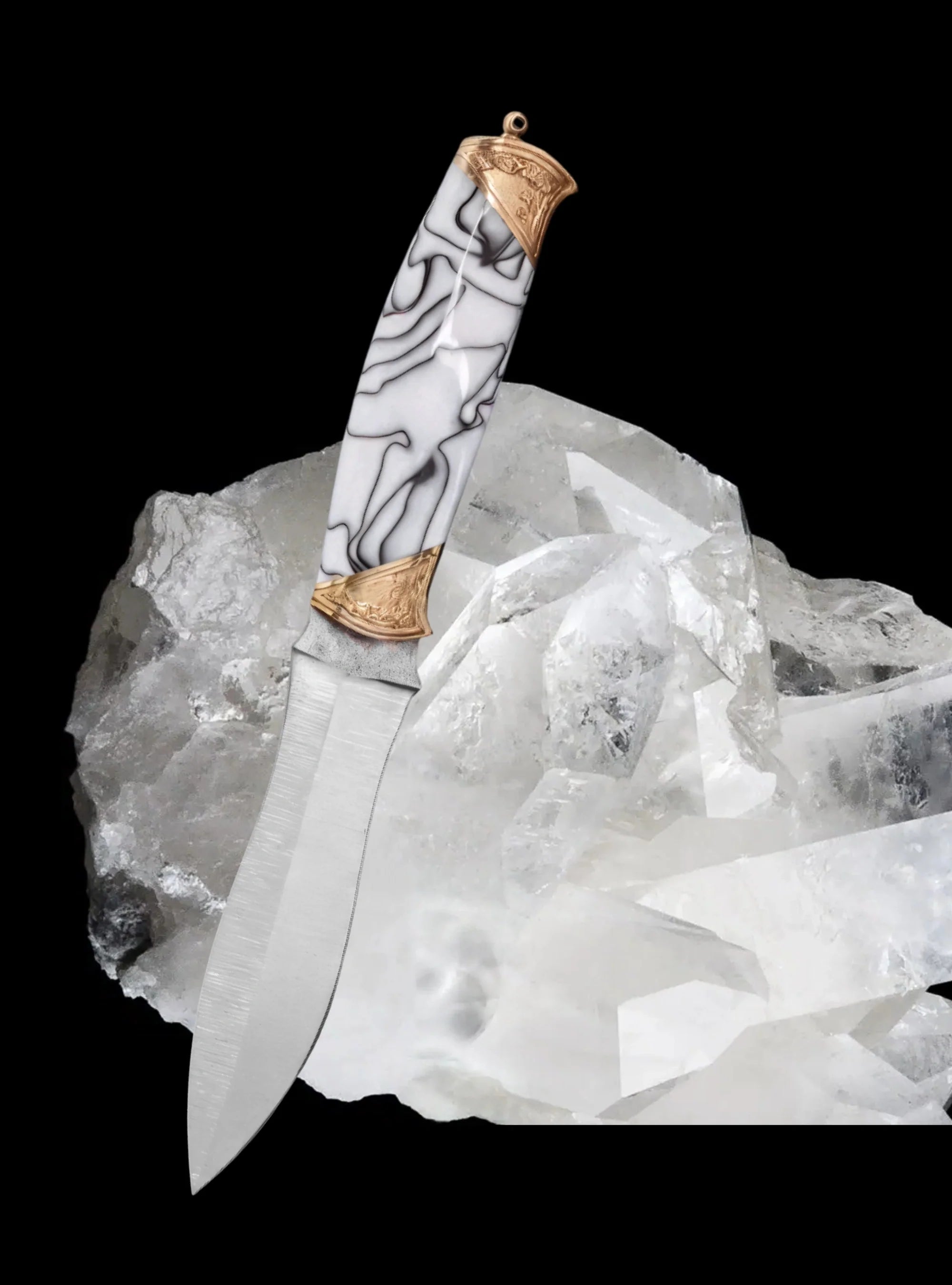
High Contrast:
- Light handle + dark blade
- Bold accents against neutral base
Effect: Strong, eye-catching, modern
Low Contrast:
- Similar tones across materials
- Subtle transitions
Effect: Calm, elegant, timeless
The best designs often use controlled contrast, where one element stands out without overwhelming the rest.
2. Natural vs Bold Color Palettes
Natural Palettes:
- Wood tones
- Earthy browns and beiges
- Muted greys
Feel: Warm, organic, traditional
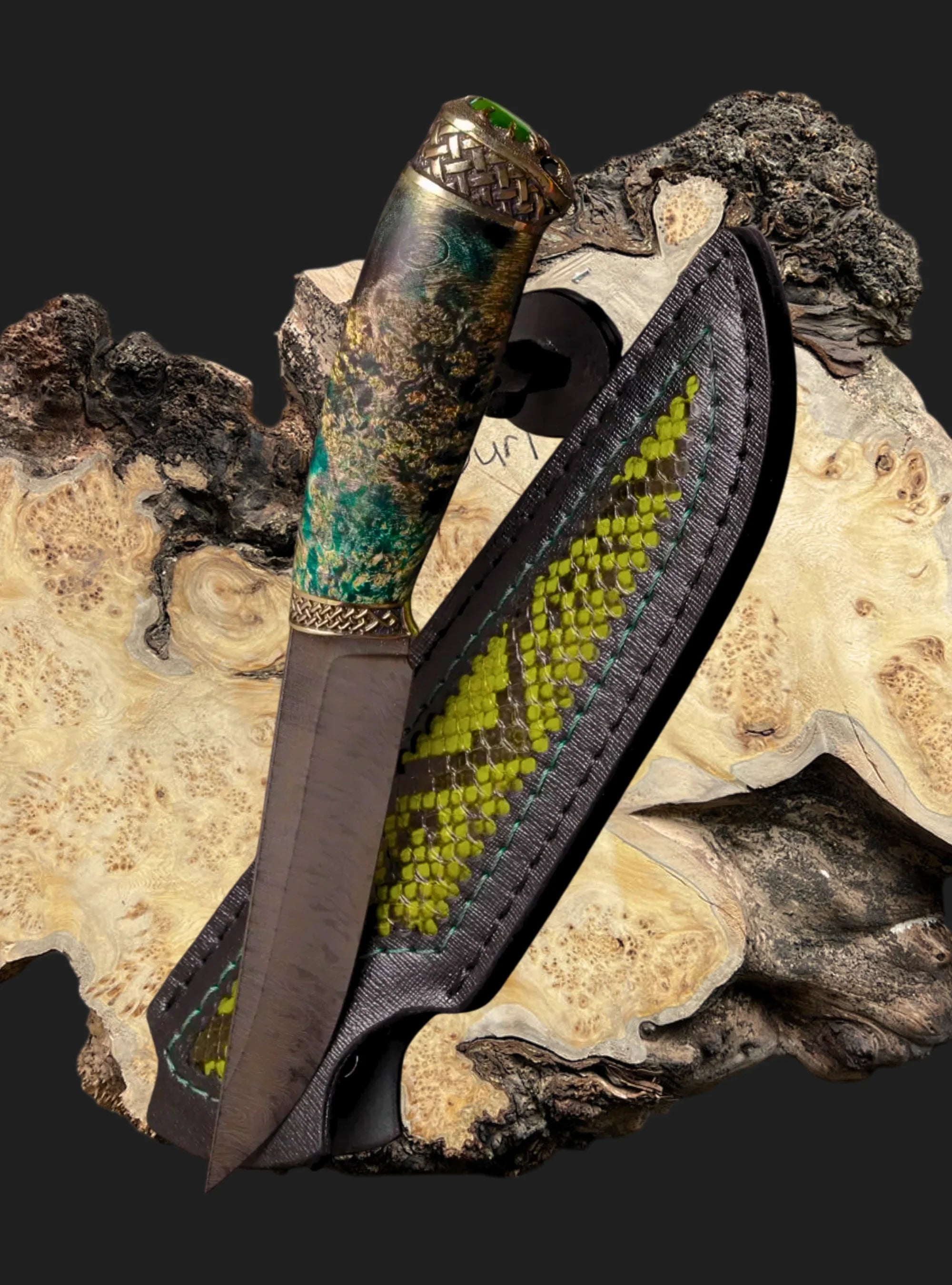
Bold Palettes:
- Deep blacks with metallic highlights
- Rich blues, reds, or greens
Feel: Modern, expressive, distinctive
Choosing between these depends on whether the goal is heritage-inspired or contemporary design.

3. Blade and Handle Interaction
The relationship between blade and handle is central.
Key principles:
- The blade often acts as a neutral anchor
- The handle introduces personality
- Accents should connect both elements
A strong design ensures these parts feel intentionally connected, not visually separate.
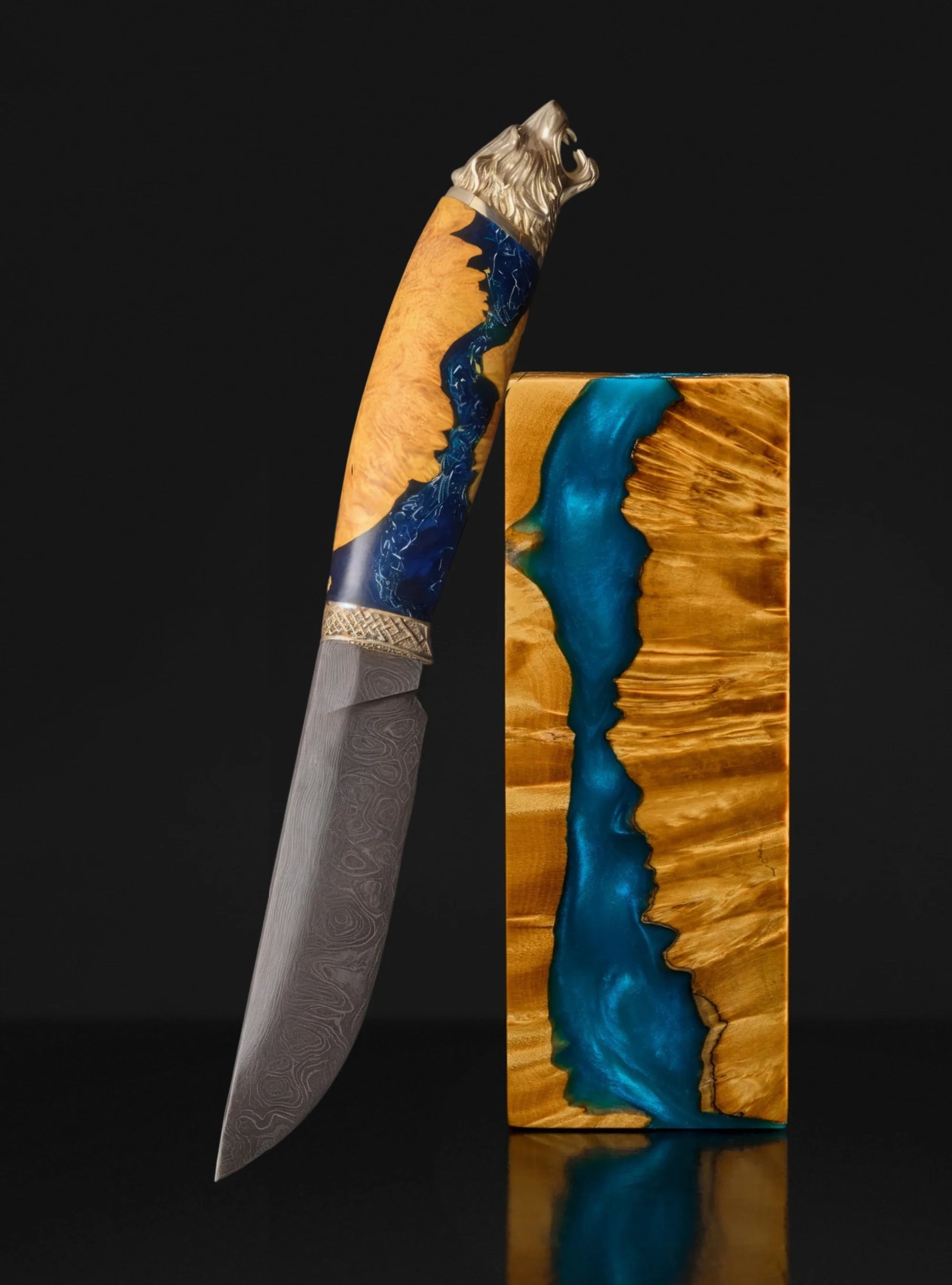
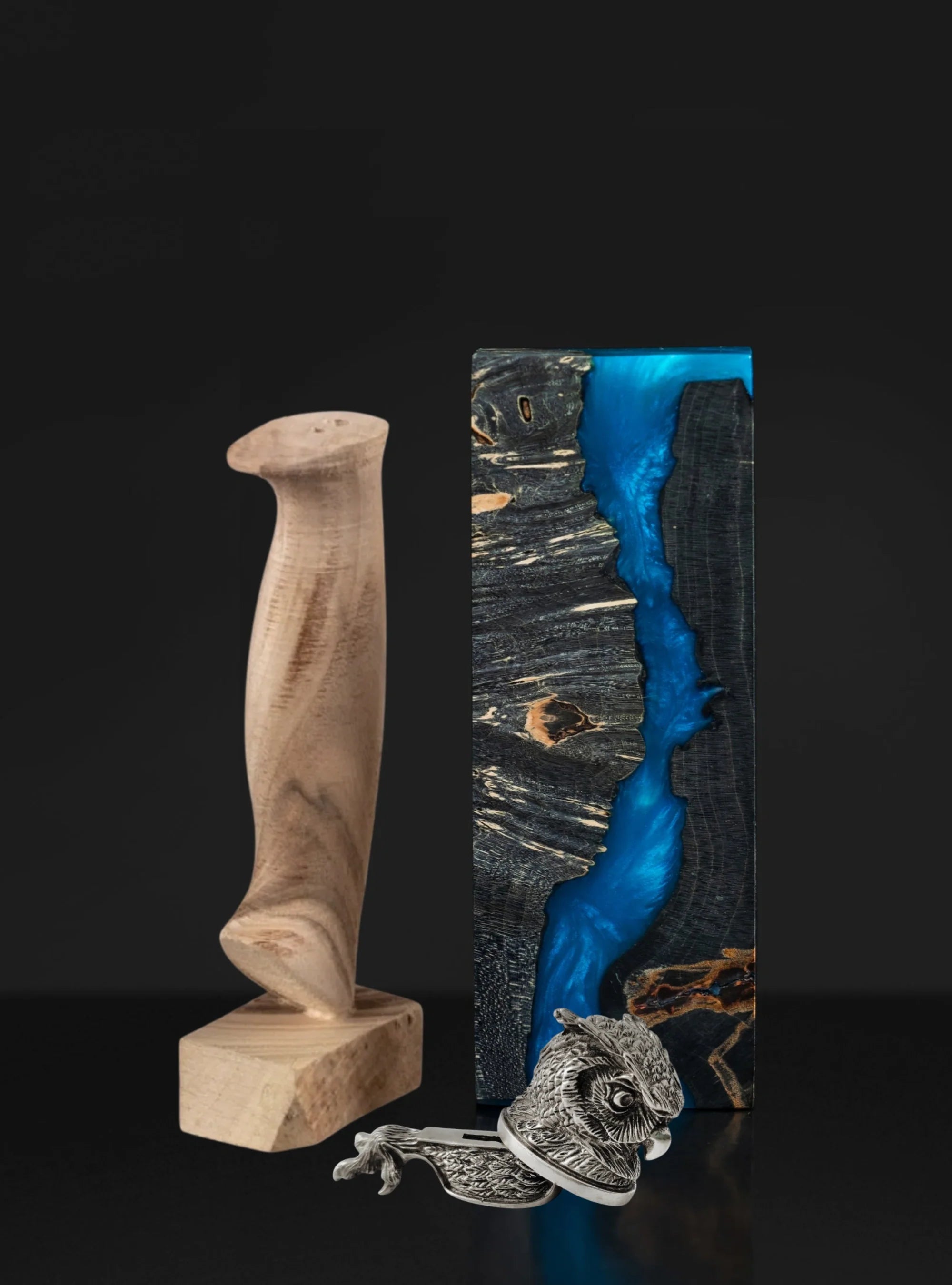
4. Material-Driven Color
Color in knife design often comes from materials rather than added finishes.
Examples:
- Natural wood grain variations
- Polished or matte metal tones
- Composite materials with layered colors
This creates depth and authenticity, making the knife feel more tactile and genuine.
5. Texture and Light Interaction
Color is not just about hue—it’s about how surfaces interact with light.
Consider:
- Matte vs glossy finishes
- Smooth vs textured surfaces
These variations create subtle contrasts that add visual richness without adding more colors.
6. Minimalist Color Design
Some of the most refined knives use very limited color palettes.
Typical approach:
- One dominant color
- One supporting tone
- One subtle accent
This restraint creates a clean, sophisticated look that highlights craftsmanship.
7. Accent Colors and Details
Small details can define the entire design.
Accents may include:
- Pins or rivets
- Liners or spacers
- Subtle inlays
When used carefully, accents guide the eye and add precision to the overall composition.
8. Emotional Impact of Colors
Different color choices create different impressions.
General effects:
- Dark tones → strength, seriousness
- Light tones → clarity, simplicity
- Warm tones → comfort, tradition
- Cool tones → calm, modernity
Understanding this helps designers create a specific visual mood.
9. Consistency Across the Design
A successful knife design feels unified.
Avoid:
- Too many competing colors
- Random or disconnected elements
Aim for:
- Repetition of tones
- Smooth transitions
- Balanced distribution
Consistency creates a sense of intentional craftsmanship.

10. Common Mistakes to Avoid
- Overusing bright or saturated colors
- Ignoring how materials affect tone
- Creating too much contrast without balance
- Adding accents that don’t connect with the overall palette
These mistakes can make the design feel chaotic rather than refined.
Final Thoughts
Color combinations in knife design are not just decorative—they are a core part of visual storytelling.
The most compelling designs balance:
- Contrast and harmony
- Material and color
- Simplicity and detail
When done right, color elevates a knife from a functional object to a cohesive, expressive work of design.
Share:
How to Spot High-Quality Craftsmanship of Luxury Knife?
Safety and Grip Stability of Luxury Knives