

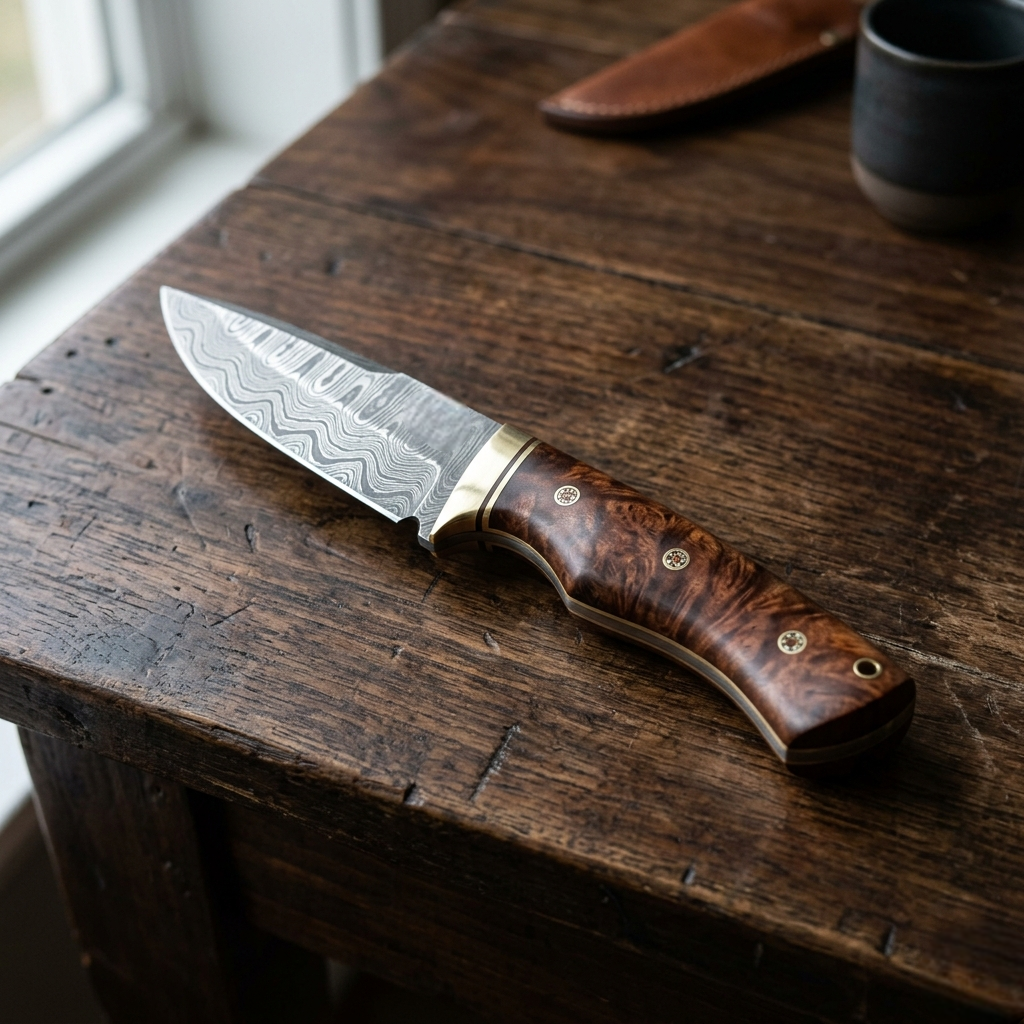
Luxury knives are appreciated not only for the quality of their materials but also for the balance of their design. One of the most important aspects of a well-crafted knife is the relationship between the blade and the handle. Thoughtful proportions ensure that the knife looks elegant, feels comfortable in the hand, and performs effectively in practical use.
When designers carefully balance these elements, the knife becomes more than a cutting tool—it becomes an example of refined craftsmanship and functional artistry.
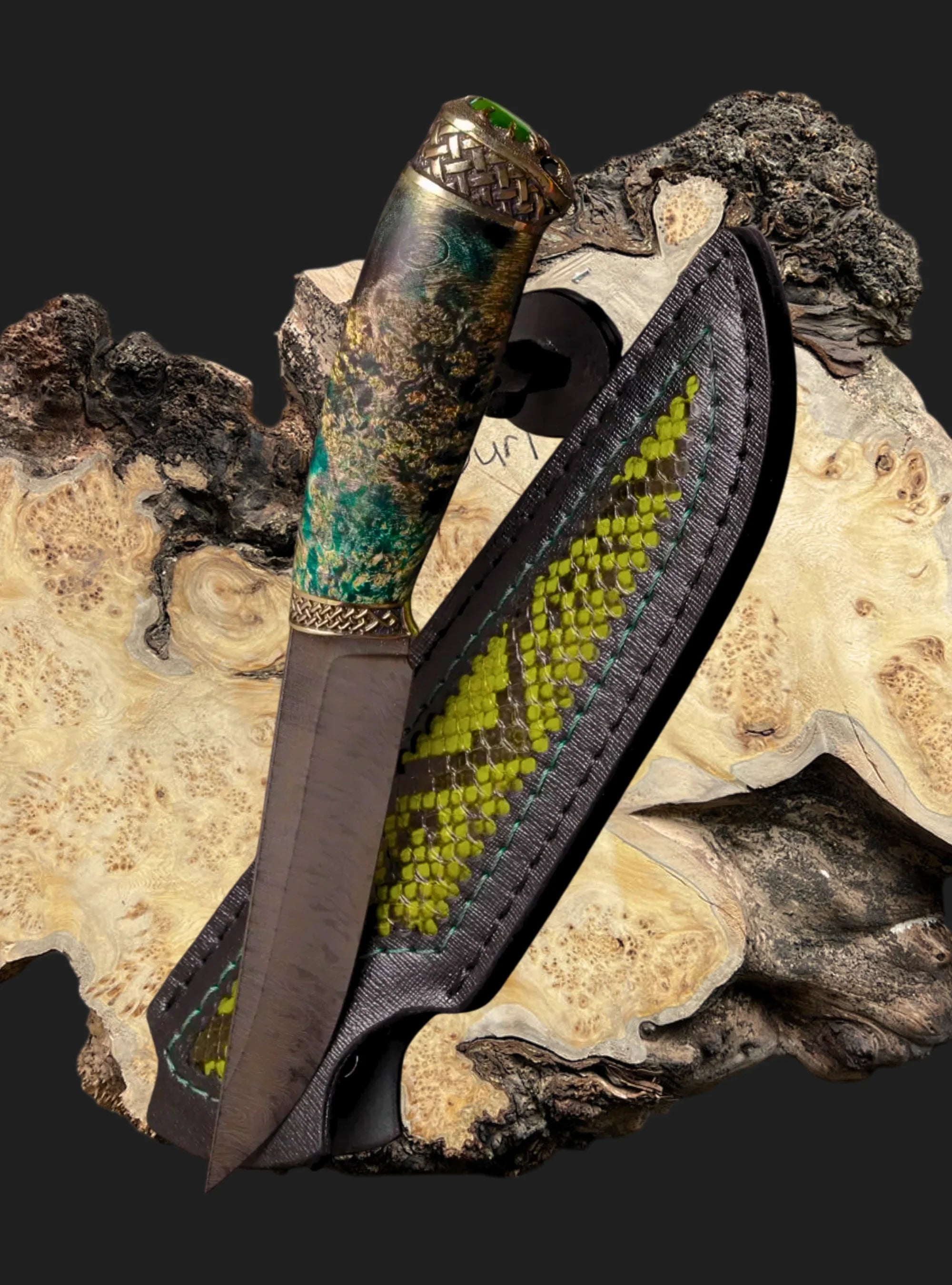
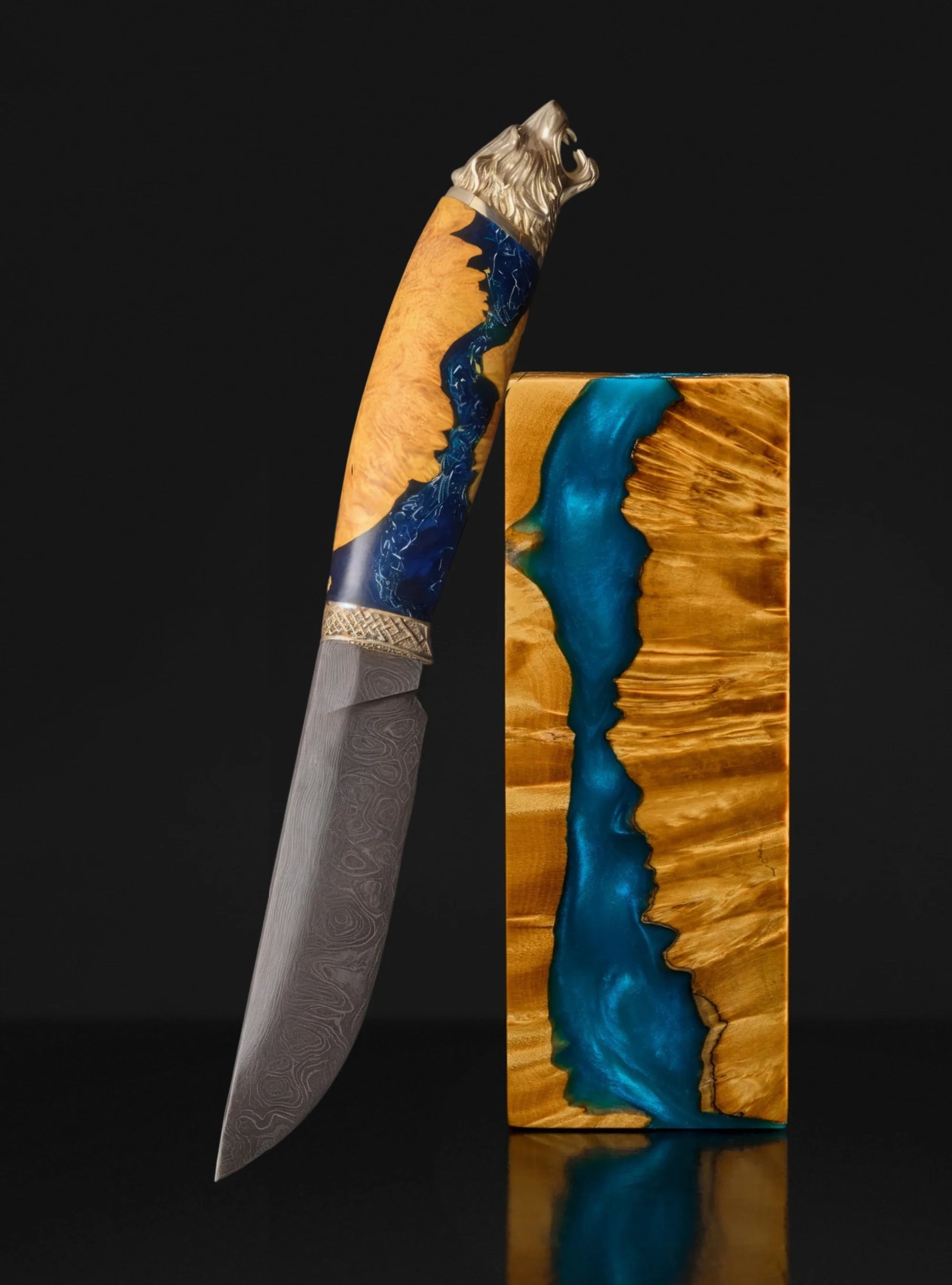
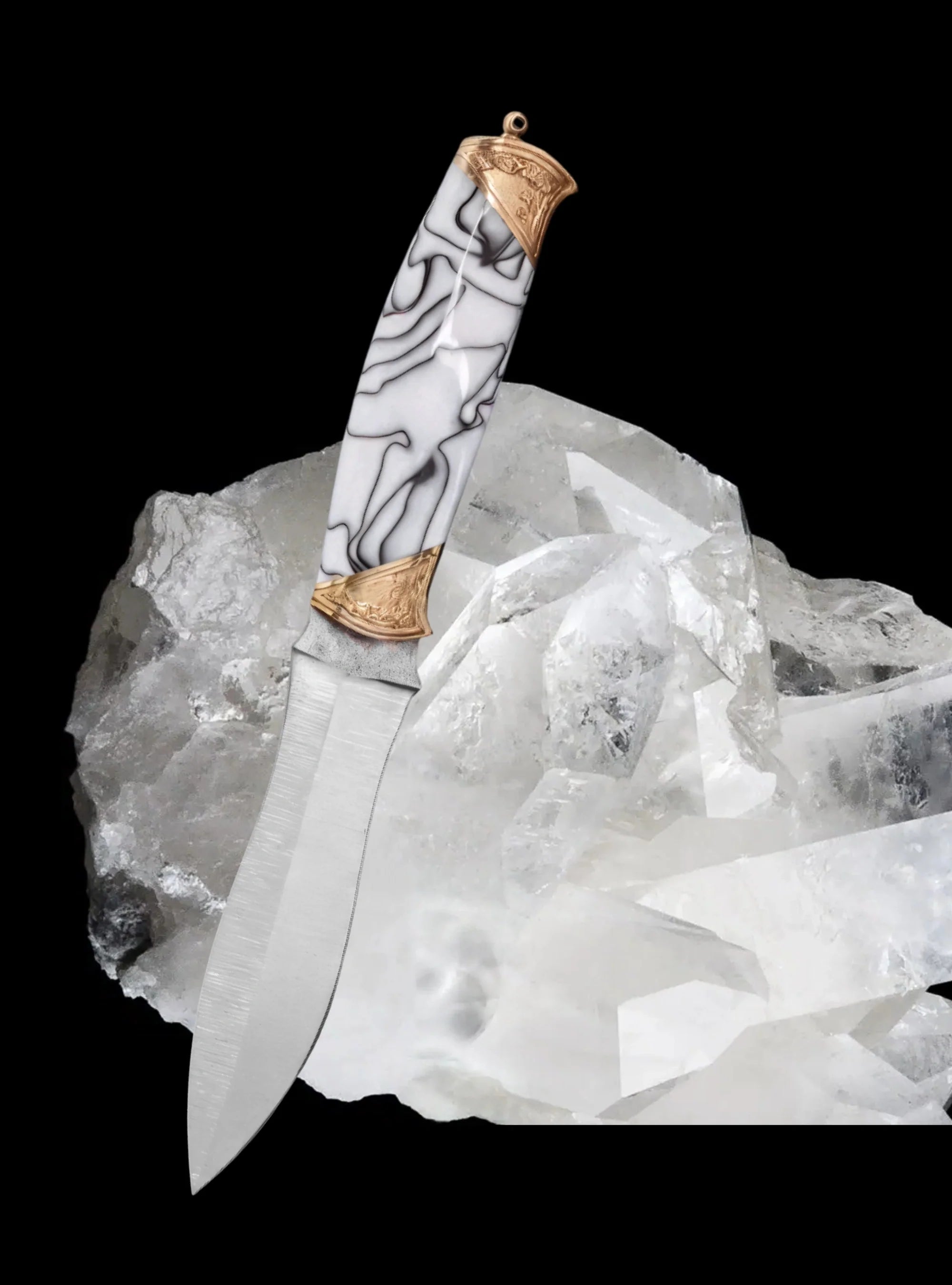
Thoughtful Proportions Of Luxury Knives Maintain Harmony Between Blade And Handle
Why Proportions Matter in Knife Design?
The proportions between blade and handle influence both the appearance and performance of a knife. A blade that is too large for its handle can feel unstable, while a handle that is overly bulky may reduce precision and comfort.
Balanced proportions provide several benefits:
-
Improved control during use
-
Comfortable grip and ergonomics
-
Visual harmony between components
-
Better weight distribution
Luxury knife makers carefully plan these proportions to ensure the knife feels natural and responsive in the hand.

Achieving Visual Harmony
Design harmony is one of the defining features of high-quality knives. The blade, handle, and overall silhouette should form a cohesive shape that feels balanced and pleasing to the eye.
Key design elements include:
-
Smooth transitions between blade and handle
-
Consistent thickness and tapering
-
Balanced length between cutting edge and grip area
-
Complementary materials that visually connect the two parts
When these elements are aligned, the knife appears refined rather than overly decorative.
Ergonomics and User Comfort
A well-proportioned knife is comfortable to hold and easy to control. Designers consider hand positioning, grip shape, and handle curvature to ensure the knife supports natural movement.
Important ergonomic factors include:
-
Handle thickness suitable for a secure grip
-
Gentle contours that reduce hand fatigue
-
Balanced weight distribution between blade and handle
-
Proper finger clearance for safe use
These factors make a knife not only beautiful but also practical for everyday tasks.
The Role of Materials in Balance
Materials contribute significantly to the balance of a luxury knife. Different metals, woods, and composites have varying weights and textures, which influence the knife’s overall feel.
For example:
-
A heavier blade may require a denser handle material to maintain balance
-
Lightweight handles can complement thinner, precision blades
-
Natural materials add warmth and tactile character
By pairing materials thoughtfully, designers maintain both structural balance and aesthetic harmony.

Craftsmanship and Attention to Detail
Luxury knives reflect the skill and experience of their makers. Every dimension—from blade length to handle thickness—is considered carefully during the design and crafting process.
Artisans often:
-
Test the knife’s balance point
-
Adjust handle shaping for comfort
-
Refine blade taper for smooth cutting performance
-
Ensure seamless assembly between components
This attention to detail results in knives that feel cohesive and purposeful.
Longevity Through Balanced Design
Proper proportions also contribute to durability. A balanced knife experiences less strain during use, which can extend its lifespan. When the blade and handle support each other structurally, the tool remains reliable for years of regular use.
This balance is one reason why well-crafted knives are often valued for generations.

Conclusion
Thoughtful proportions are a defining characteristic of luxury knives. By balancing blade length, handle shape, materials, and weight distribution, designers create tools that combine elegance with functionality. The result is a knife that feels comfortable, performs reliably, and reflects the craftsmanship behind its creation.
For collectors and everyday users alike, this harmony between blade and handle transforms a simple tool into a refined and enduring object.
Frequently Asked Questions
Why is blade-to-handle proportion important in a knife?
Balanced proportions improve comfort, control, and visual harmony, making the knife easier and more enjoyable to use.
How do designers determine proper knife balance?
They consider blade length, handle weight, and material density to ensure the knife feels stable and controlled in the hand.
Do materials affect knife proportions?
Yes. Different materials vary in weight and strength, influencing how designers balance the blade and handle.
Can a poorly balanced knife affect performance?
Yes. It may feel uncomfortable, reduce cutting precision, and cause faster fatigue during use.
Why are luxury knives known for better proportions?
Because skilled artisans carefully design and refine each component to achieve harmony between form, function, and durability.
Share:
Elegant Simplicity Highlights Craftsmanship Of Luxury Knives Over Decoration
Collectible Luxury Knives Combine Precision Engineering With Artistic Craft