


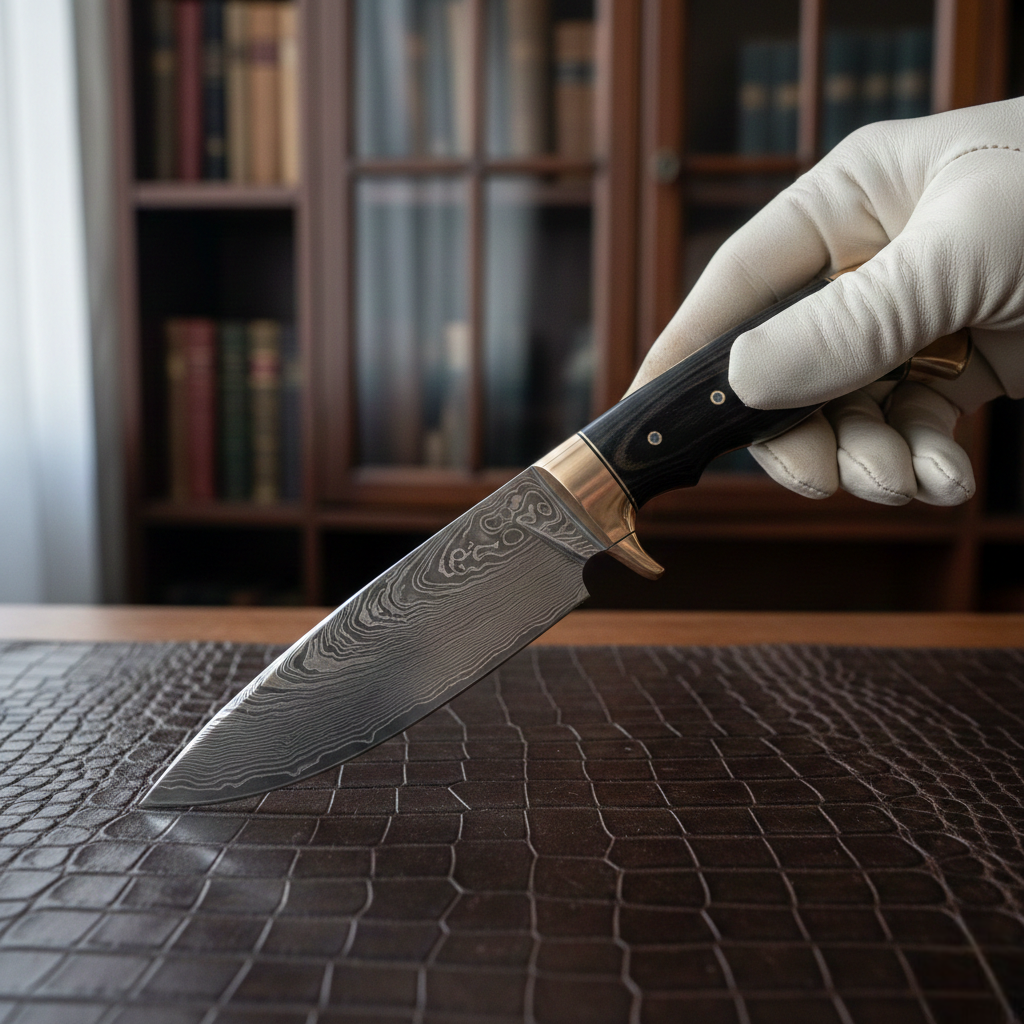
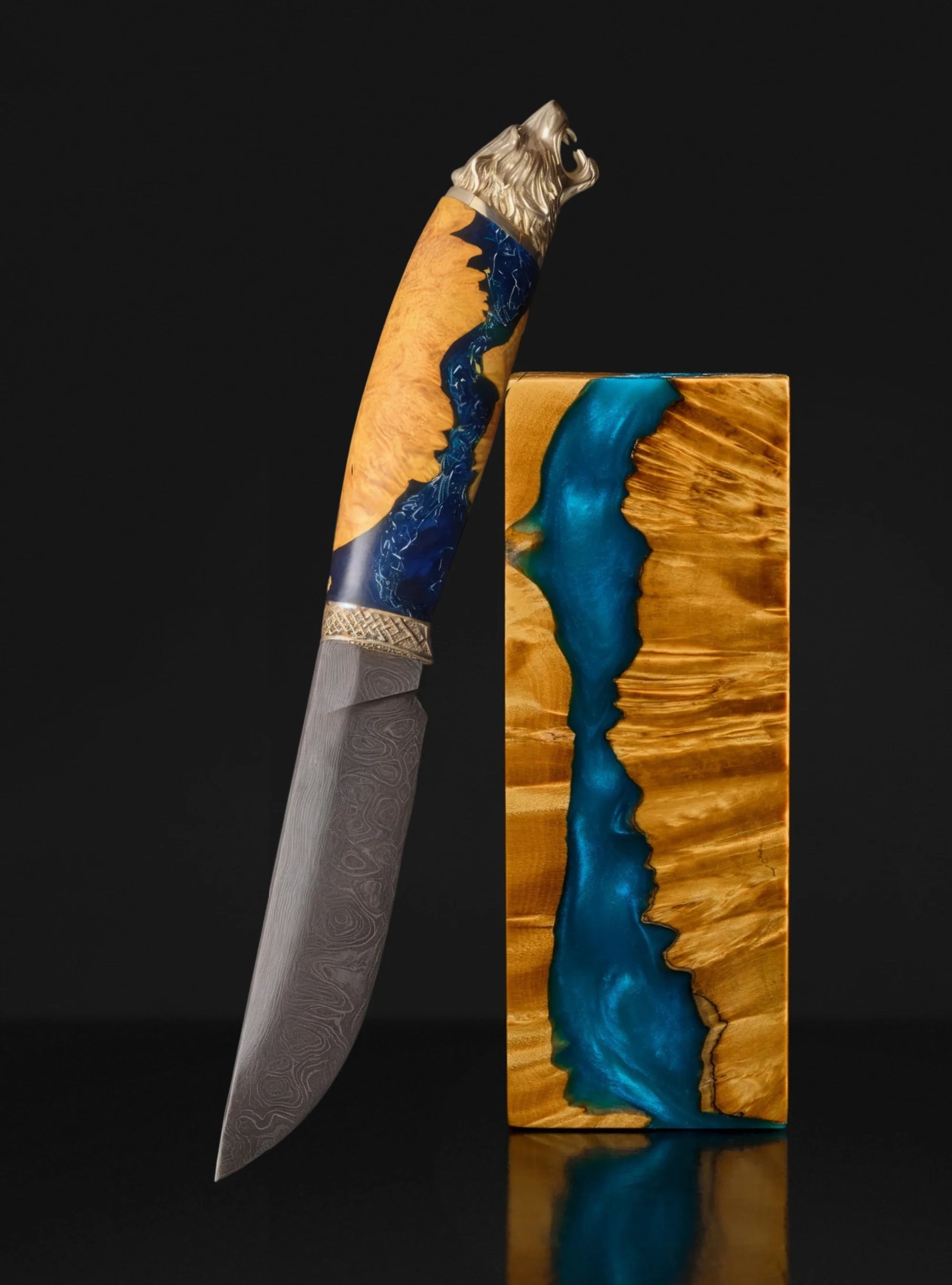
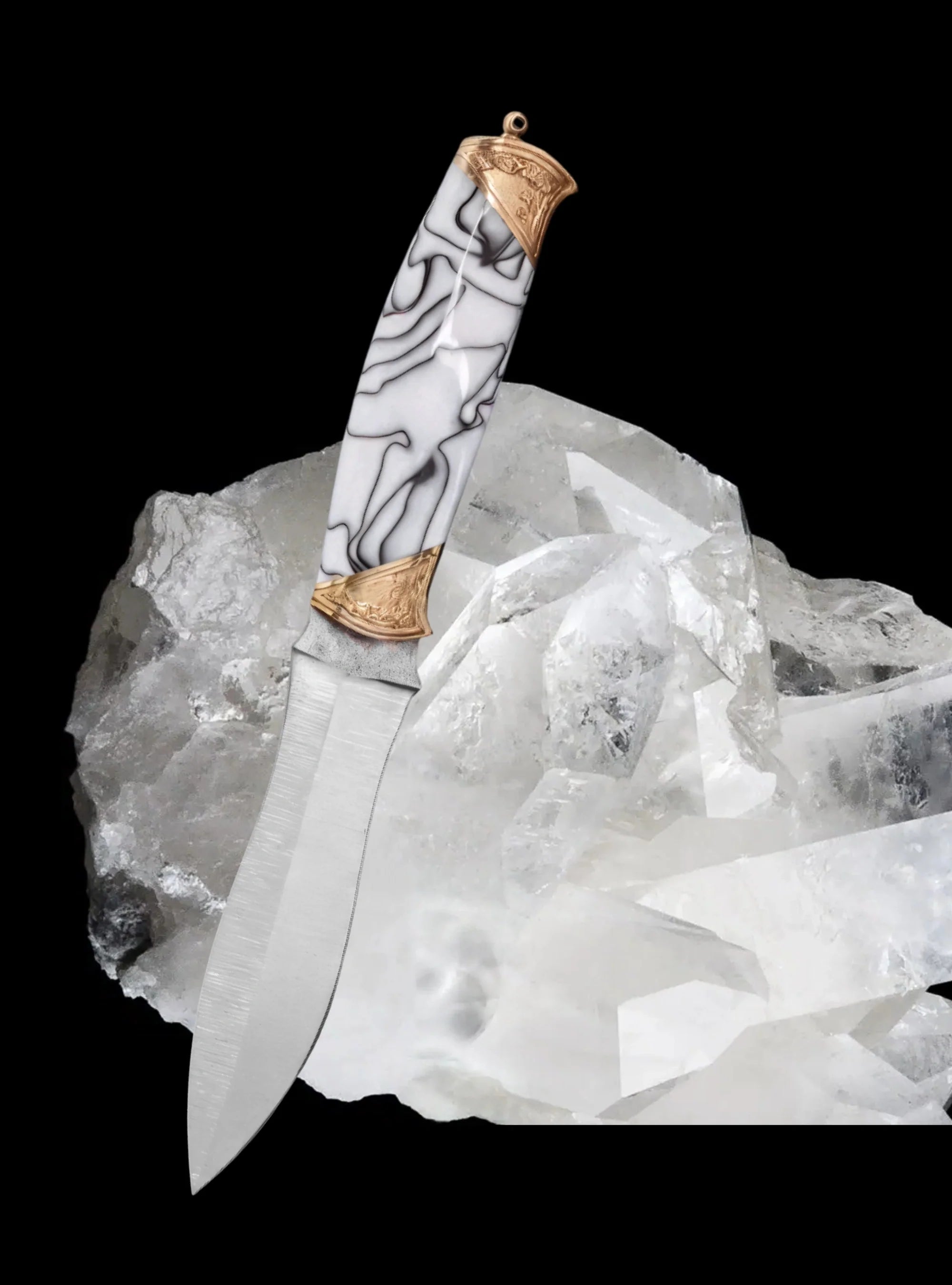
Luxury collectible knives are not everyday tools — they are objects of craftsmanship, heritage, and value. Each knife reflects countless hours of skilled work, premium materials, and intentional design. To preserve this level of quality, one habit is essential: frequent inspection for damage or wear.
Small issues, when caught early, are easy to manage. When ignored, they can permanently affect both beauty and value.
Inspect Knives Frequently For Damage Or Wear
Why Regular Inspection Matters for Luxury Knives?
Unlike mass-produced items, collectible knives often feature:
-
Hand-finished blades
-
Natural handle materials (wood, horn, bone, leather)
-
Precision-fitted guards, pins, and joints
-
Decorative or mirror-polished surfaces
These elements age gracefully only when monitored carefully.

Common Types of Wear to Watch For
Blade-Related Issues
-
Micro-scratches on polished finishes
-
Early signs of oxidation or spotting
-
Edge irregularities or dulling
-
Changes in blade alignment
Handle Wear
-
Hairline cracks in wood or horn
-
Drying or fading of natural materials
-
Loosening near pins or joints
-
Surface dullness from oils or moisture
Structural Details
-
Guard separation
-
Loose fittings or rattling
-
Stress marks near joints or transitions
-
Uneven balance or tension
These issues often begin subtly and worsen with time if left unnoticed.

How Often Should You Inspect a Luxury Knife?
A simple guideline:
-
Displayed knives: once every 4–6 weeks
-
Handled occasionally: once a month
-
After transport or climate changes: inspect immediately
Inspection takes only minutes but can save years of deterioration.
How to Inspect a Knife Properly?
1. Use Clean Hands and Good Light
-
Natural daylight or soft directional light works best
-
Avoid harsh overhead lighting that hides surface detail
2. Examine the Blade Carefully
-
Look at the blade from multiple angles
-
Check for changes in reflection or finish
-
Pay attention to engraving, etching, or decorative lines
3. Inspect the Handle and Joints
-
Gently press near fittings to detect movement
-
Check for dryness, discoloration, or texture changes
-
Never force or twist components
4. Assess Overall Balance and Feel
-
The knife should feel solid and unified
-
Any new vibration, looseness, or imbalance is a warning sign
Why Early Detection Preserves Value?
Frequent inspection allows you to:
-
Clean or dry surfaces before damage spreads
-
Recondition handles before cracking occurs
-
Address minor fitting issues before structural failure
-
Maintain original finishes and integrity
For collectors, condition is value — and value depends on vigilance.

Inspection as a Ritual, Not a Chore
For many collectors, inspection becomes part of the experience:
-
A moment to appreciate craftsmanship
-
A chance to reconnect with the object
-
A quiet ritual of ownership and care
Luxury knives reward attention.
Final Thoughts
Inspecting knives frequently for damage or wear is one of the most important habits a collector can adopt. It ensures that your knives remain not only visually striking, but structurally sound and historically intact.
In the world of luxury collectibles, preservation begins with observation.
Share:
Dry Luxury Knives Immediately After Rinsing
Select Natural Materials of Luxury Knives That Develop Character With Age