


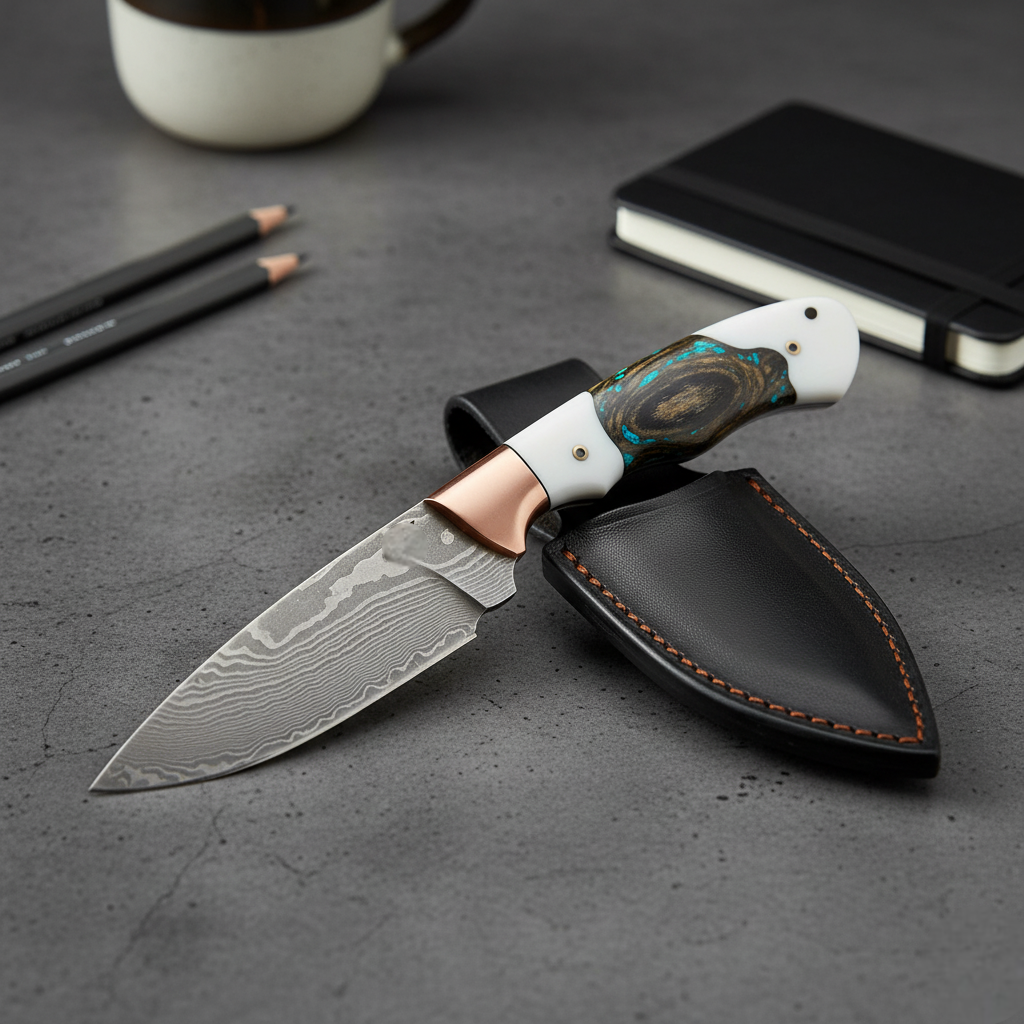
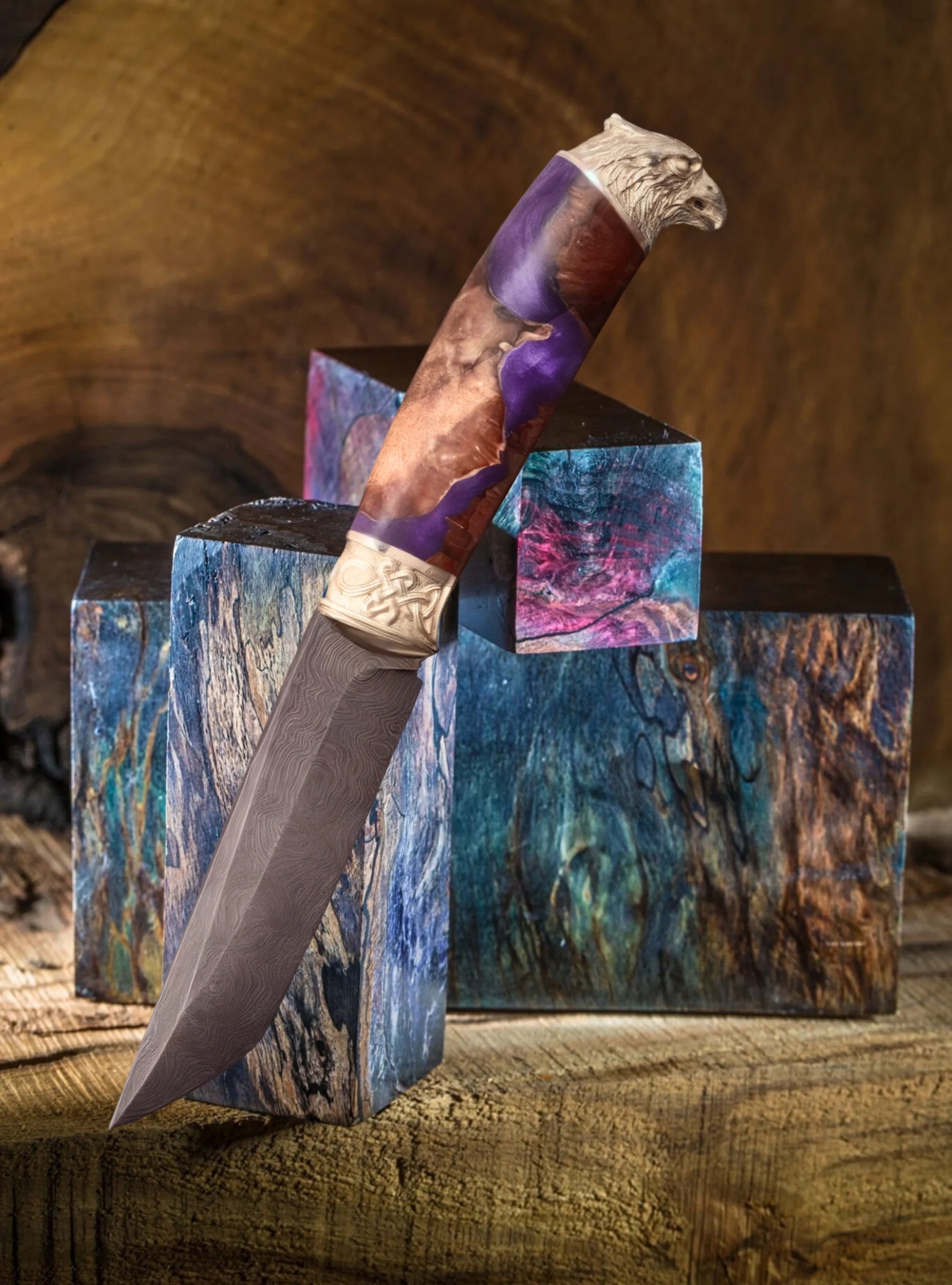
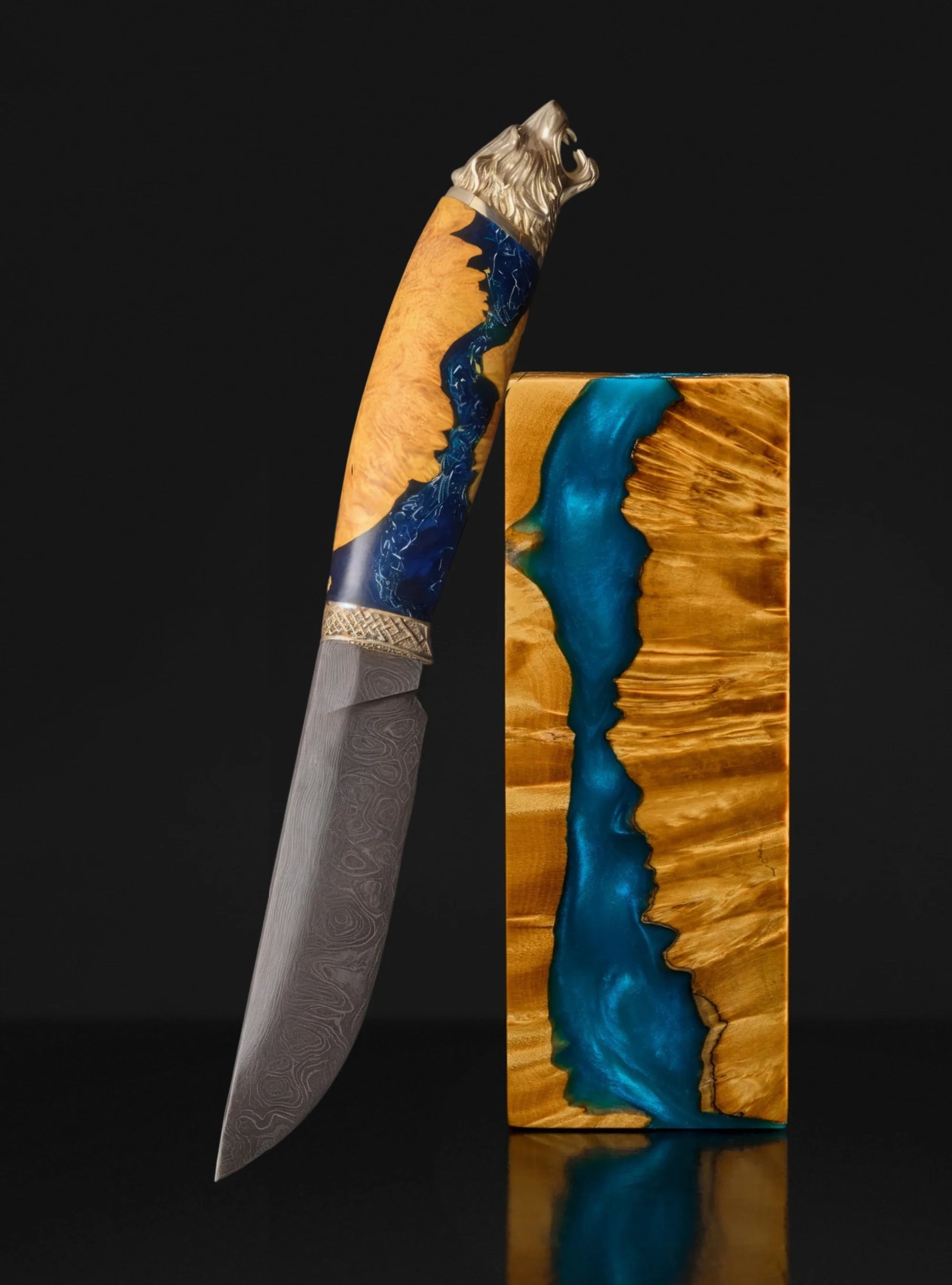
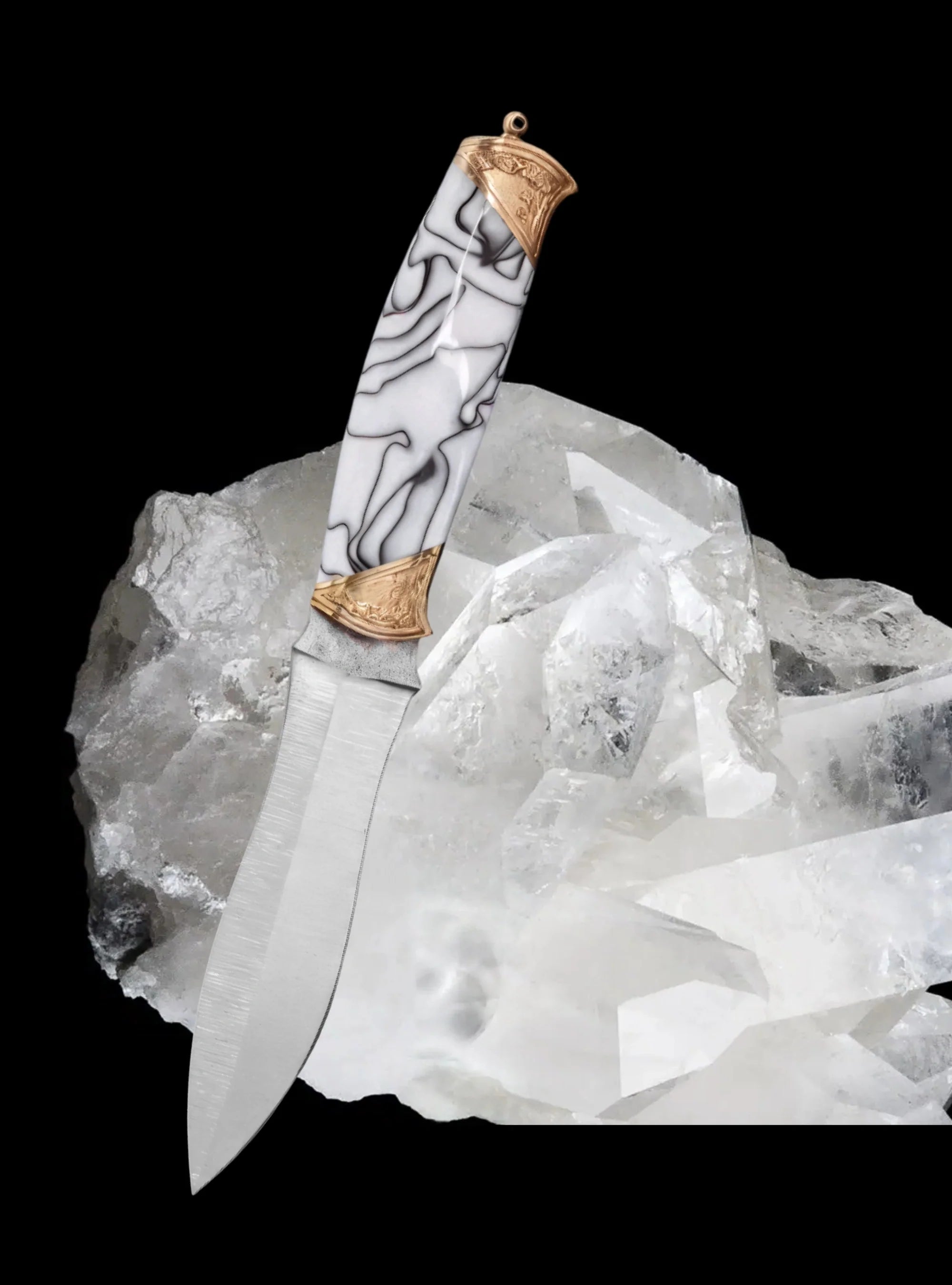
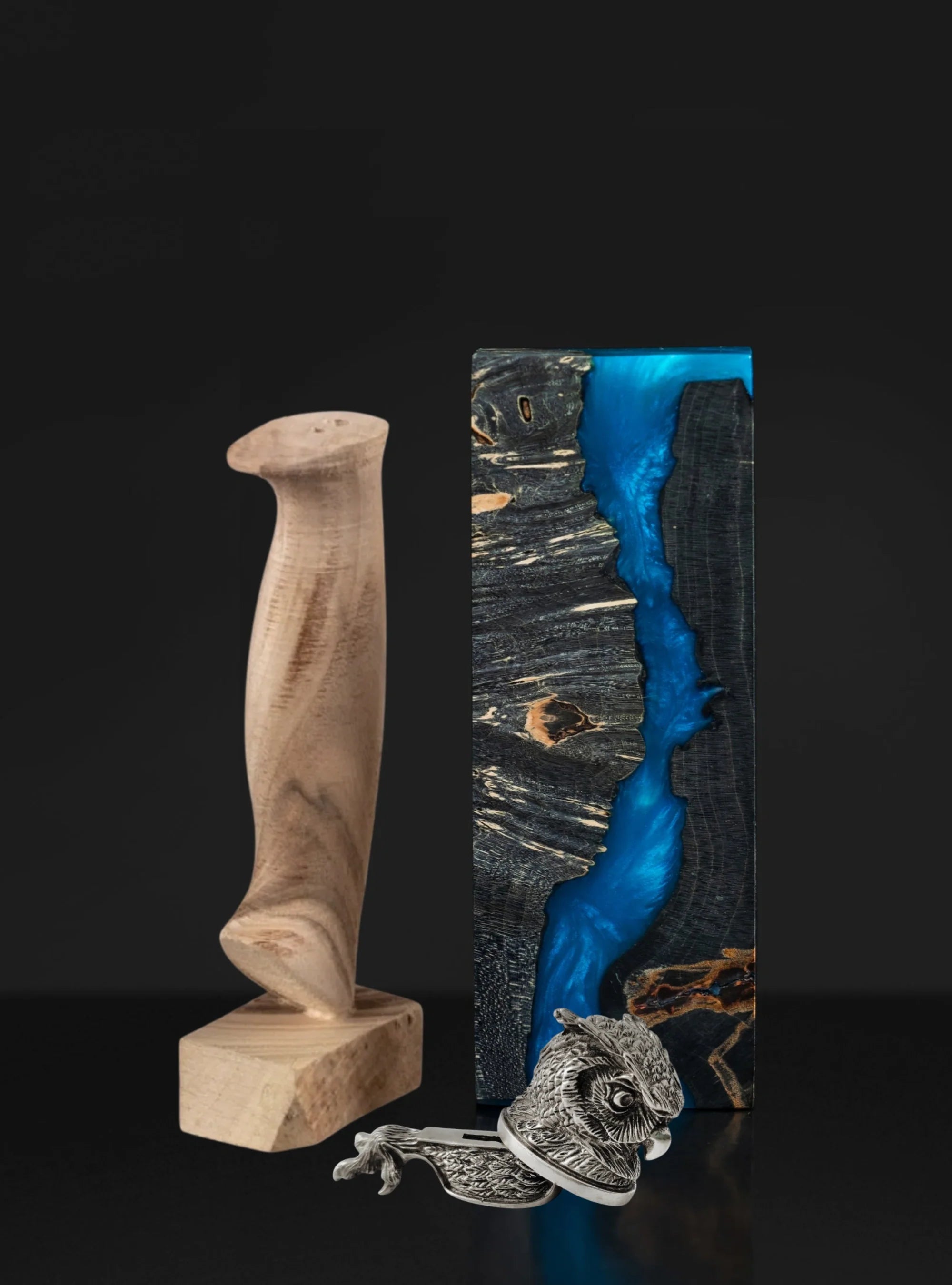
Designer knives are more than just tools — they’re works of art, often handcrafted with exquisite materials such as wood, horn, resin, or metal. Their beauty lies not only in precision blades but also in the artistry of their handles. However, over time, exposure to moisture, improper storage, and frequent handling can lead to scratches, fading, and wear.
To preserve your investment and ensure your knives remain as stunning as the day you acquired them, here are expert tips on how to protect your designer knife handles from scratches and aging.
How to Protect Your Designer Knife Handles From Scratches and Aging?
1. Clean Handles Regularly — But Gently
Regular cleaning helps prevent buildup of dirt and oils that can dull the surface or cause discoloration. Use a soft microfiber cloth slightly dampened with mild soap and water.
Avoid harsh chemicals, abrasive sponges, or alcohol-based cleaners, as they can strip protective finishes and damage delicate materials like wood or resin.
Pro tip: Always dry handles thoroughly after cleaning to prevent moisture absorption, especially with natural materials.

2. Use Protective Oils or Conditioners
For wooden or horn handles, periodic conditioning is essential. Apply a high-quality mineral oil or beeswax-based conditioner to maintain luster and prevent cracking or drying out.
If your knife handle is made from stabilized wood or resin, an occasional light polish with a non-abrasive wax will restore shine and reduce surface wear.
Why it matters: Regular conditioning creates a micro-protective layer that guards against scratches and UV aging.

3. Avoid Prolonged Sunlight and Humidity Exposure
UV rays can fade colors and weaken finishes, while humidity can warp natural materials. Always store your designer knives in a cool, dry place, away from direct sunlight or fluctuating temperatures.
For collectors, a display case with UV-resistant glass or an enclosed storage box with silica gel packets provides ideal long-term protection.
4. Store Knives Separately to Prevent Friction Damage
Never store multiple knives where their handles touch or rub against each other — friction is one of the leading causes of surface scratches.
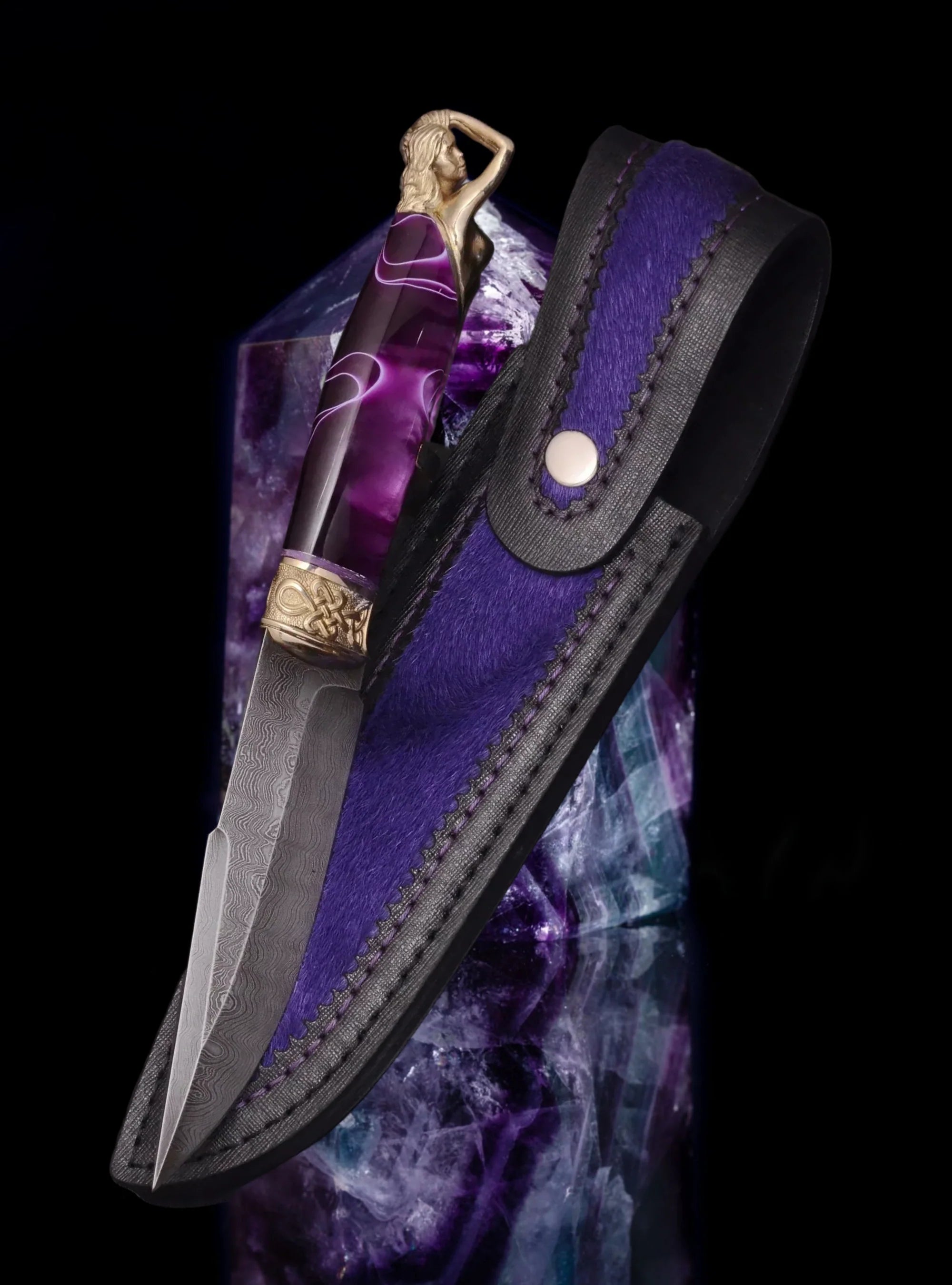
Use individual knife sheaths, felt pouches, or lined display trays to ensure separation. If you keep your knives in drawers, consider knife organizers with padded slots or magnetic bars with protective coatings.
Pro tip: For luxury pieces, wrap handles in soft microfiber before storage to avoid accidental contact.
5. Handle With Care During Use and Display
Even small habits can affect longevity. When showcasing your knives, place them on soft surfaces like leather mats or velvet-lined stands. Avoid laying them directly on hard or textured materials that may cause micro-abrasions.
When using your knife, grip with clean, dry hands to minimize oils and residue that could affect patina or surface finishes over time.

6. Schedule Professional Maintenance
For high-value or collectible pieces, periodic maintenance by a professional knife restorer is worthwhile. Experts can re-polish handles, reapply protective finishes, and correct minor wear without compromising the original craftsmanship.
Final Thoughts
A designer knife is more than a possession — it’s a reflection of artistry, heritage, and personal taste. Protecting its handle from scratches and aging ensures your collection retains its beauty, value, and functionality for generations.
By combining regular care, mindful handling, and proper storage, you can keep your designer knife handles looking as flawless as the day they were made — a testament to timeless craftsmanship and attention to detail.

Share:
Why Designer Handle Knives Are the Ultimate Holiday Gift for Collectors?
Why Designer-Handle Knives Are the Perfect Gift for Someone Who Has Everything?