

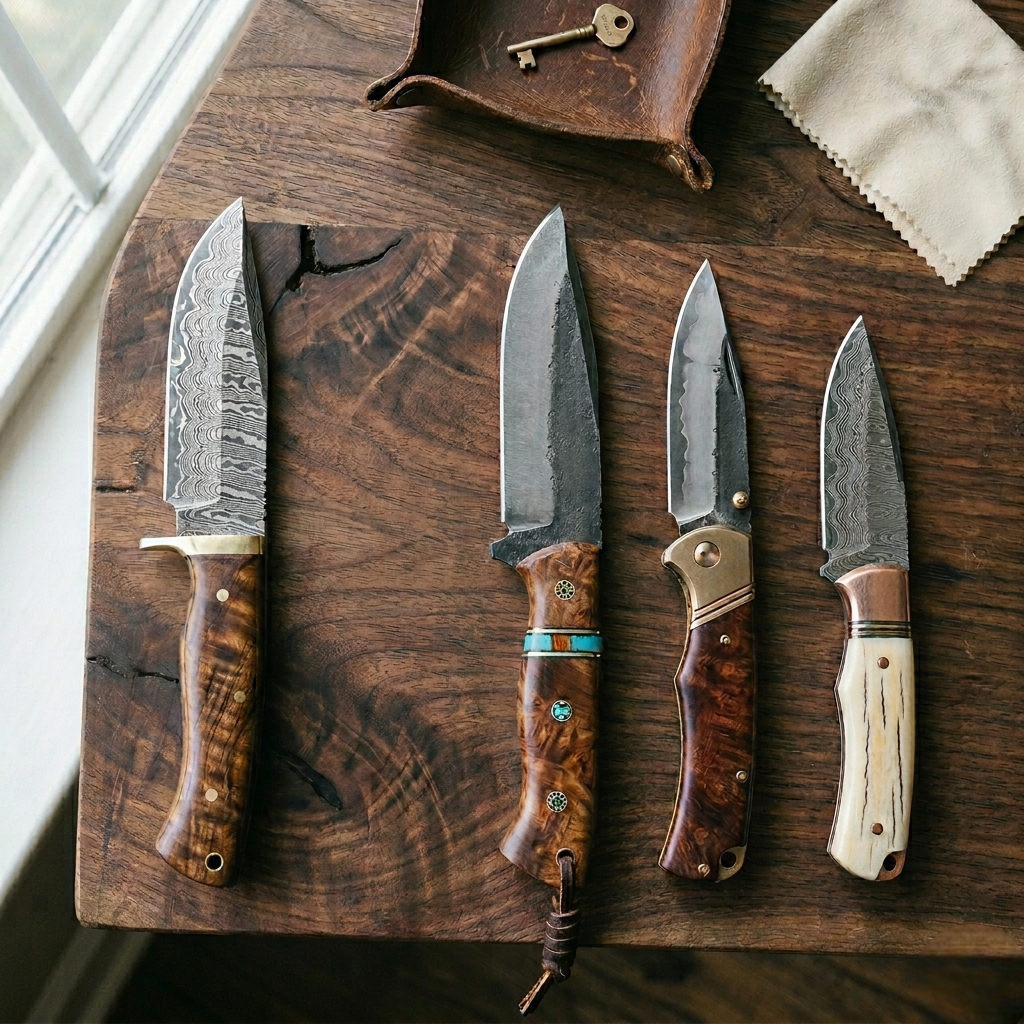
Collecting premium knives is not just about acquiring objects—it’s about understanding craftsmanship, materials, and the story behind each piece. For beginners, it can feel overwhelming at first, but once you understand what truly defines quality, the process becomes both intuitive and rewarding.
This guide will walk you through the key aspects in a way that helps you think like a collector, not just a buyer.
Beginner’s Guide to Premium Collector’s Knives
Understanding What Makes a Knife “Premium”
A premium collector’s knife is defined by more than just its appearance or price. It reflects a combination of skilled craftsmanship, carefully selected materials, and attention to detail that mass-produced knives rarely achieve.
When you hold such a knife, you can usually feel the difference immediately. The balance is more natural, the finish is smoother, and every element—from blade to handle—feels intentional. This is because premium knives are often made in smaller quantities, allowing the maker to focus on precision rather than speed.

Why Craftsmanship Matters More Than You Think?
One of the most important lessons for beginners is that craftsmanship is everything. A knife may look impressive in photos, but true quality is revealed in the details.
For example, look at how the blade meets the handle. In a well-made knife, this transition is seamless—there are no gaps, uneven edges, or rough finishes. These small details indicate the level of care and skill involved in the process.
Craftsmanship also affects performance. Even if you don’t plan to use the knife regularly, a well-crafted piece will always feel more balanced and refined. Over time, this becomes one of the main reasons collectors value certain knives more than others.
The Role of Materials in Quality and Value
Materials are another essential factor, but they should never be evaluated in isolation. What matters is not just the material itself, but how it is used and finished.
High-quality steel, for instance, can hold a sharp edge longer and resist wear. However, even the best steel can perform poorly if it is not properly treated. This is why experienced collectors pay attention not only to the type of steel but also to the reputation of the maker.
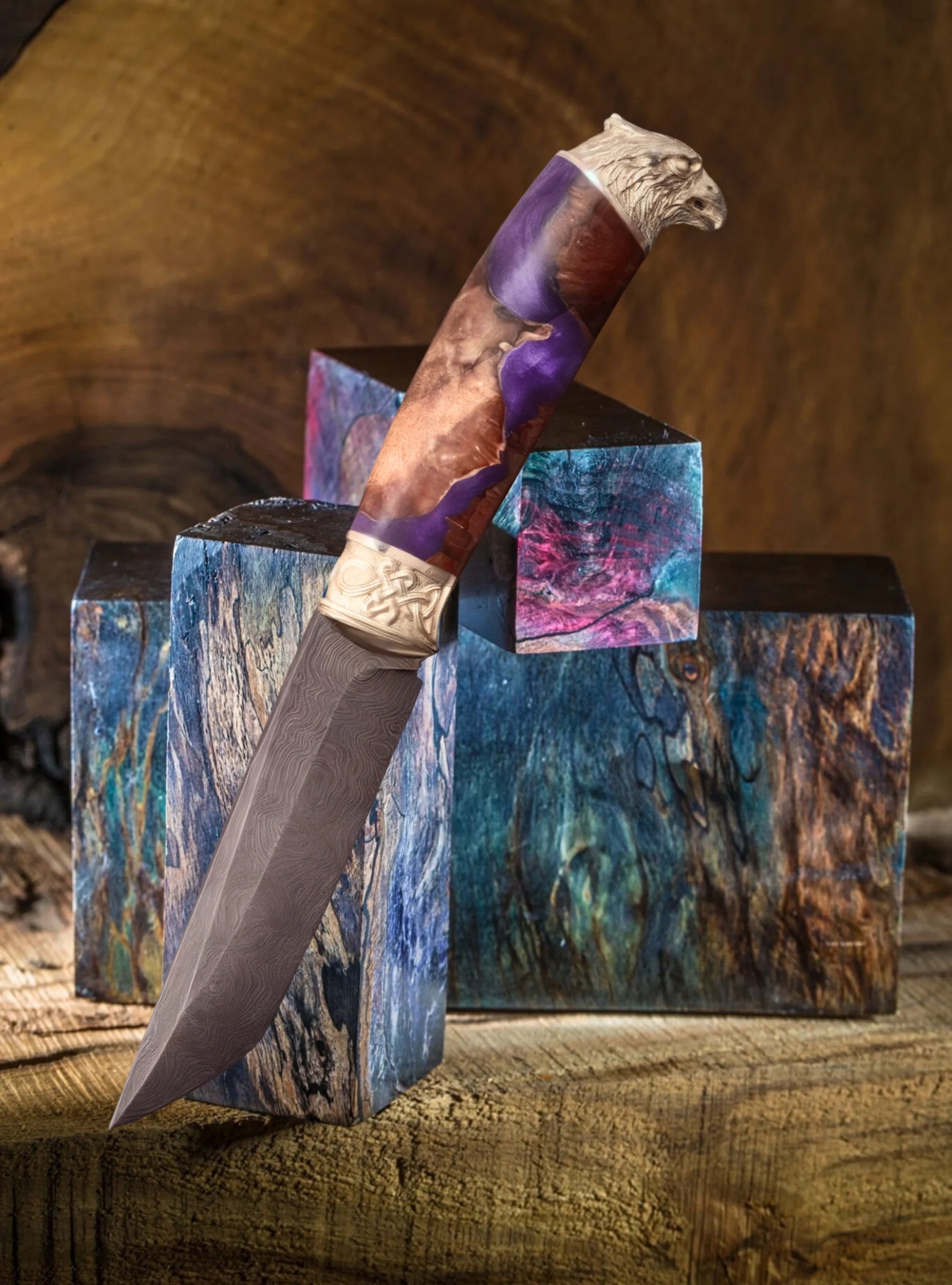
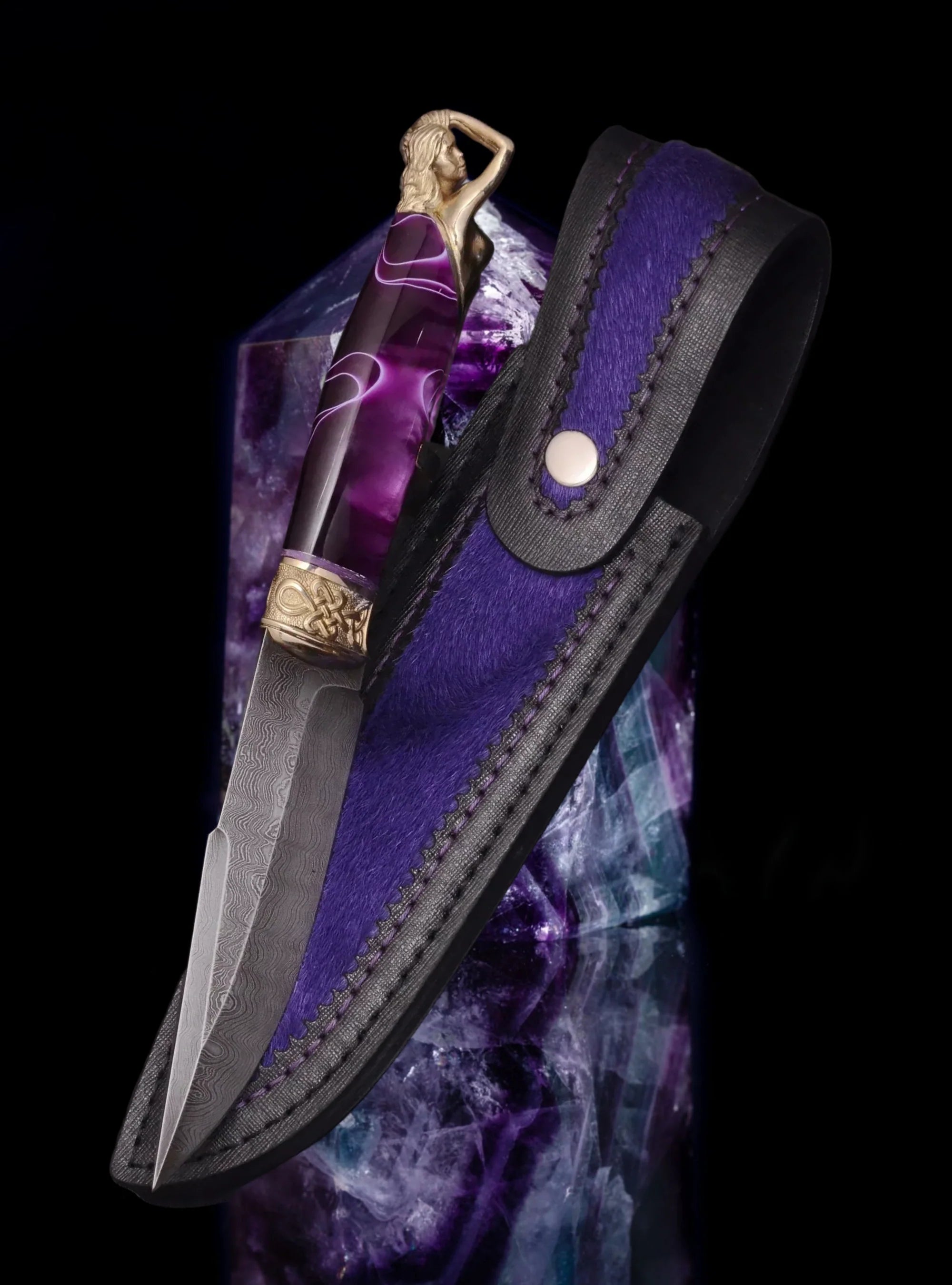
The same applies to handles. Natural materials like wood or horn bring warmth and individuality, while modern materials offer durability and consistency. The key is harmony—the blade and handle should complement each other both visually and functionally.
Learning to See Design and Balance
At first glance, many knives may look similar. But as you spend more time observing, you begin to notice subtle differences in proportion, shape, and balance.
A well-designed knife feels comfortable in the hand without effort. The weight is evenly distributed, and the grip feels natural. This is not accidental—it is the result of careful design decisions made by the maker.
For collectors, this balance is important not just for use, but for appreciation. A knife that feels right often looks right as well. Over time, your eye develops, and you begin to recognize good design instinctively.

Why Rarity and Story Increase Value?
Beyond materials and craftsmanship, collector’s knives often carry value through their rarity and story.
Limited production pieces, handmade knives, or designs with a unique concept tend to attract more attention. But rarity alone is not enough—it must be supported by quality.
The story behind a knife also matters. Knowing who made it, how it was created, or what inspired the design adds a layer of meaning. This transforms the knife from a simple object into something more personal and memorable.
Avoiding the Most Common Beginner Mistakes
Many beginners make the mistake of focusing only on appearance. A knife may look impressive, but without quality materials and craftsmanship, it will not hold long-term value.
Another common issue is buying too many pieces too quickly. It’s tempting to build a collection fast, but this often leads to inconsistency. A better approach is to move slowly, learning from each purchase.
It’s also important not to rely solely on price as an indicator of quality. Expensive does not always mean well-made. Taking the time to understand what you are buying is far more valuable.
Building Your Collection with Intention
A strong collection is not defined by quantity, but by coherence and quality. As a beginner, it’s better to start with a few well-chosen pieces that reflect your interests.
Over time, you may notice patterns in what you prefer—certain shapes, materials, or styles. This naturally leads to a more focused collection, which is often more valuable and satisfying.
Collecting is a long-term process. Each knife you add should feel like a meaningful addition, not just another item.
The Importance of Care and Preservation
Even the finest knife can lose its appeal if it is not properly maintained. Basic care—such as keeping the blade clean and storing it in a dry environment—goes a long way.
For collectors, condition is crucial. A well-preserved knife retains both its visual appeal and its value. This is especially important if you plan to keep your collection for many years.

Final Thoughts
Premium collector’s knives represent a unique combination of function, artistry, and craftsmanship. For beginners, the key is not to rush, but to observe, learn, and develop your own taste.
Over time, what once seemed complex becomes clear. You begin to recognize quality instantly, appreciate subtle details, and build a collection that reflects both knowledge and personal style.
In the end, collecting is not just about owning knives—it’s about understanding and appreciating the craftsmanship behind them.
Share:
Why Handmade Luxury Knives Matter?
Mistakes to Avoid When Buying Luxury Knife